
5 Hyrox Recovery Mistakes That Cost You
The recovery patterns that wreck race week and trash the next training block — and what the evidence says to do instead.
Published 4 May 2026
Most Hyrox recovery advice is generic functional-fitness recovery advice with the word “Hyrox” pasted in front. It misses the things that actually go wrong for athletes preparing for a 60-110 minute repeated-surge race.
These five patterns wreck race week or trash the next training block. They’re not random — every one has an evidence base behind why it fails. Send this to the mate who keeps doing #3.
1. Trying a new supplement on race week
Race week is the worst possible time to introduce a supplement, gel, electrolyte mix, or pre-workout. You don’t know how your stomach handles it. You don’t know if you tolerate the dose. You don’t know if a flavour or sweetener triggers GI distress mid-race.
This is also when athletes are most susceptible to it. The pre-race nerves want a “lever” to pull. A new beta-alanine product, a fancy nitrate juice, an extra caffeine boost — something that feels like it’ll give an edge.
The fix. Stick to what’s been tested in training for at least 4-6 weeks. Race day is when you execute the protocol, not when you debug it. If you want to try something new, do it in the next training block. Not race week.
This pairs with the supplement timing reference — every product on the playbook’s race-day stack has been live in our recommendations for months. None of them are mystery boxes.
2. Routine ice baths after every session
Cold water immersion (CWI) feels productive. The endorphin hit from a cold plunge is real. But the science on chronic CWI for athletes is unambiguous: Roberts et al, 2015 showed that regular post-exercise cold immersion attenuates the long-term adaptations to resistance training — strength gains, muscle hypertrophy, mitochondrial signalling.
The mechanism is straightforward. Inflammation isn’t just damage — it’s the signal that drives adaptation. Cold blunts inflammation. Blunting inflammation chronically blunts adaptation.
The fix. Reserve cold therapy for two scenarios: (a) race week, when you want acute fatigue reduction and adaptation matters less; (b) genuine simulation sessions or actual injury. For everyday post-session soreness, walk it off, hydrate, eat protein, sleep. Cold can wait.
The exception that’s NOT a mistake: brief cold exposure on the morning of the race for stimulant effect (alertness, vasoconstriction, mental sharpness) — but that’s not recovery, that’s prep.
3. Skipping the protein window after long sessions
The 30-minute post-workout protein window has been overhyped and under-respected. The truth is in the middle.
Daily protein totals matter most. If you’re hitting 1.6-2.2 g/kg bodyweight across the day, your muscle protein synthesis is basically maxed out and the timing of any single feeding is a rounding error. Most studies that “debunked” the protein window showed exactly this.
But — Hyrox is hard. After a 90-minute simulation, your glycogen is gutted, your plasma volume is down, and your body is primed to take in protein and carbs efficiently. Skipping the window means you’re playing catch-up at dinner with a body that’s already deeper in deficit.
The fix. 25-40 g of whey isolate within 30 minutes of finishing, paired with ~50 g of carbs. Not because the window will close — because the meal you’ll eat in 30 minutes is easier than the one you’ll skip in 3 hours.
Switch WPI is the lowest-friction option — fast-absorbing, no artificial sweeteners, mixes in a shaker.
4. Foam rolling cold and hard
Walk into any gym and you’ll see someone face-down on a foam roller with their jaw clenched, grinding into the same spot for 30 seconds. They’re trying to “release” something. The fascia release model is largely false. The mechanism is afferent — your nervous system relaxes the surrounding muscle in response to mild pressure plus motion.
Wiewelhove et al, 2019 meta-analysed foam rolling across 21 studies. The effect is real but small — modest reduction in DOMS, modest improvements in ROM. The studies that worked used slow, sustained passes with motion, not isometric grinding.
The fix. 10-12 slow passes per region. Move with the roller, don’t stab into it. Brief acute pain is fine; grinding into bone or nerve is not. If you’re clenching your jaw, you’re rolling too hard. Roll with range-of-motion — flex and extend the joint as you pass over the muscle.
The per-station mobility flows in the playbook all use this principle: slow passes plus active motion, never grind-and-hold.
5. Sleeping less the week before to “get more done”
This is the most expensive mistake on the list because it stacks. Every hour of sleep deficit you accumulate in race week translates directly to race-day reaction time, sub-maximal output, and increased perceived exertion.
Mah et al, 2011 studied Stanford basketball athletes who extended their sleep to ~10 hours per night for 5-7 weeks. The result: faster sprint times, better free-throw and three-point shooting, improved reaction time, lower fatigue scores. The intervention was simply more sleep. No supplements, no training change. The effect compounded across weeks of extension.
The fix. Add 1-1.5 hours to your nightly sleep starting Day 7 of race week. Five+ extended nights matter much more than one big sleep before race day. Magnesium glycinate (200-400 mg) supports sleep onset; ashwagandha (300-600 mg KSM-66) helps if cortisol is elevated from peak weeks.
The night before doesn’t perform — the week before performs. But sleep anyway.
The pattern
Every mistake on this list shares a structure: doing something that feels productive, but interferes with a downstream adaptation or readiness.
- New supplements feel like an edge → introduce GI risk
- Ice baths feel like recovery → blunt training adaptations
- Skipping protein feels minor → compounds into deficit
- Hard foam rolling feels intense → activates the wrong nervous system response
- Less sleep feels efficient → degrades every output
Recovery isn’t an active thing you do harder. It’s the absence of interference with the systems already trying to repair themselves. The job is to remove obstacles, not stack additions.
The full evidence-grounded protocol — per-station mobility, race-week timeline, supplement timing reference, post-race 72-hour window — is in the Rox Recovery Playbook. Free, AU-specific, and built on peer-reviewed research.
The stack that supports this protocol.
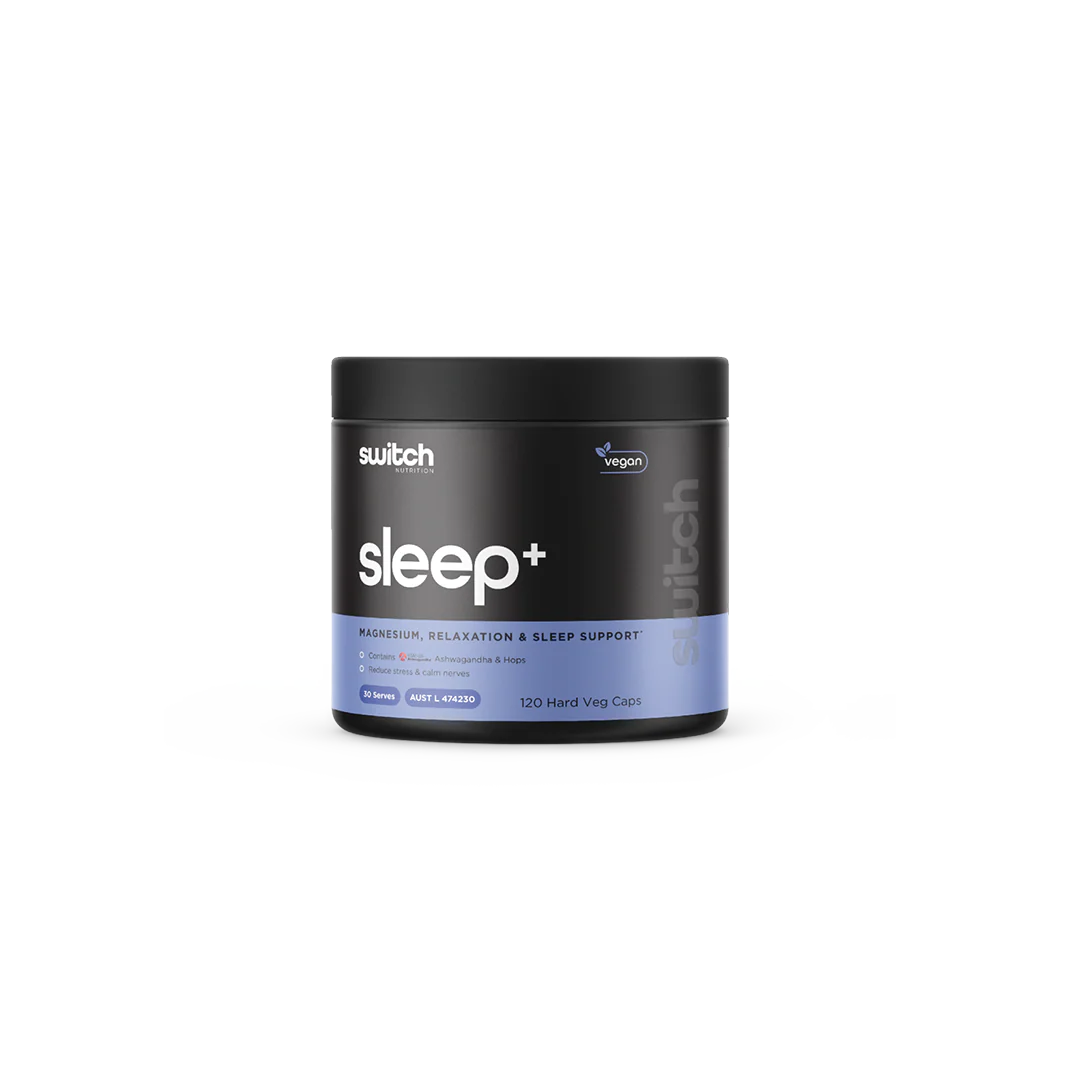
Switch Sleep+ Capsules
Magnesium glycinate, ashwagandha and zinc combined to support deeper sleep — the cheapest performance lever in any Hyrox build. Take 1-2 capsules an hour before bed.
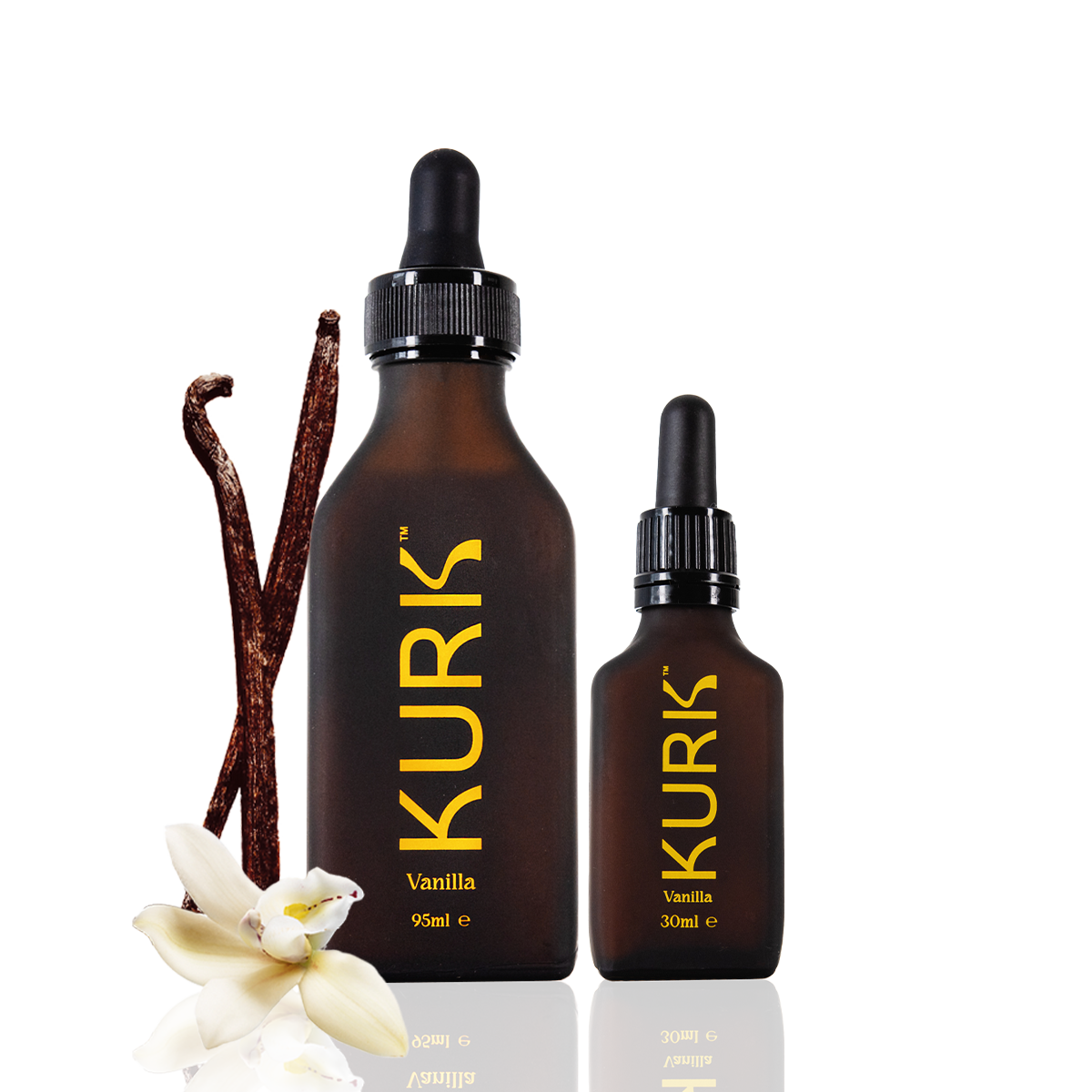
Kurk Liquid Curcumin
Liquid curcumin extract with strong evidence for reducing DOMS after eccentric work like sandbag lunges and wall balls. 1ml in your morning coffee, daily.
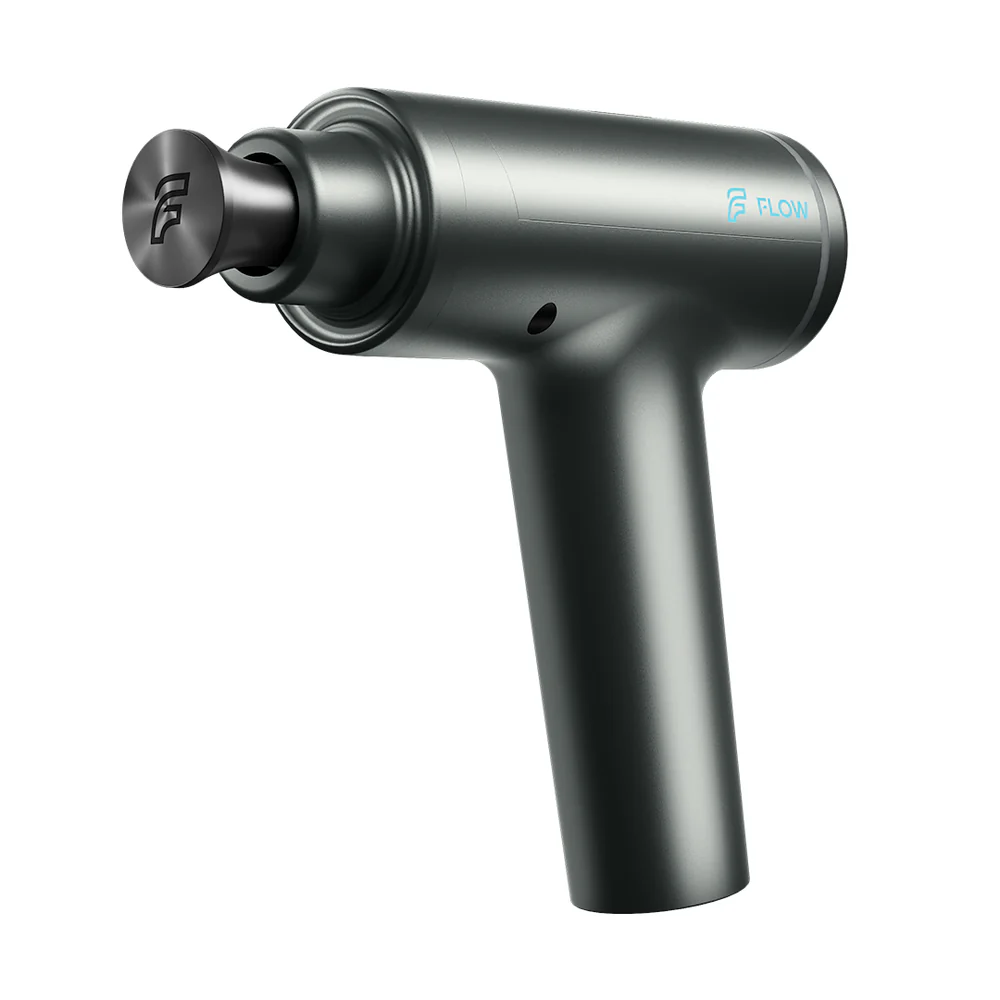
Flow Move Percussion Massage Device
Designed with sports physios for fast post-session recovery — five attachments cover everything from sled-push glutes to wall-ball quads. Pressure sensing prevents over-treatment on tender areas.