Switch Nutrition
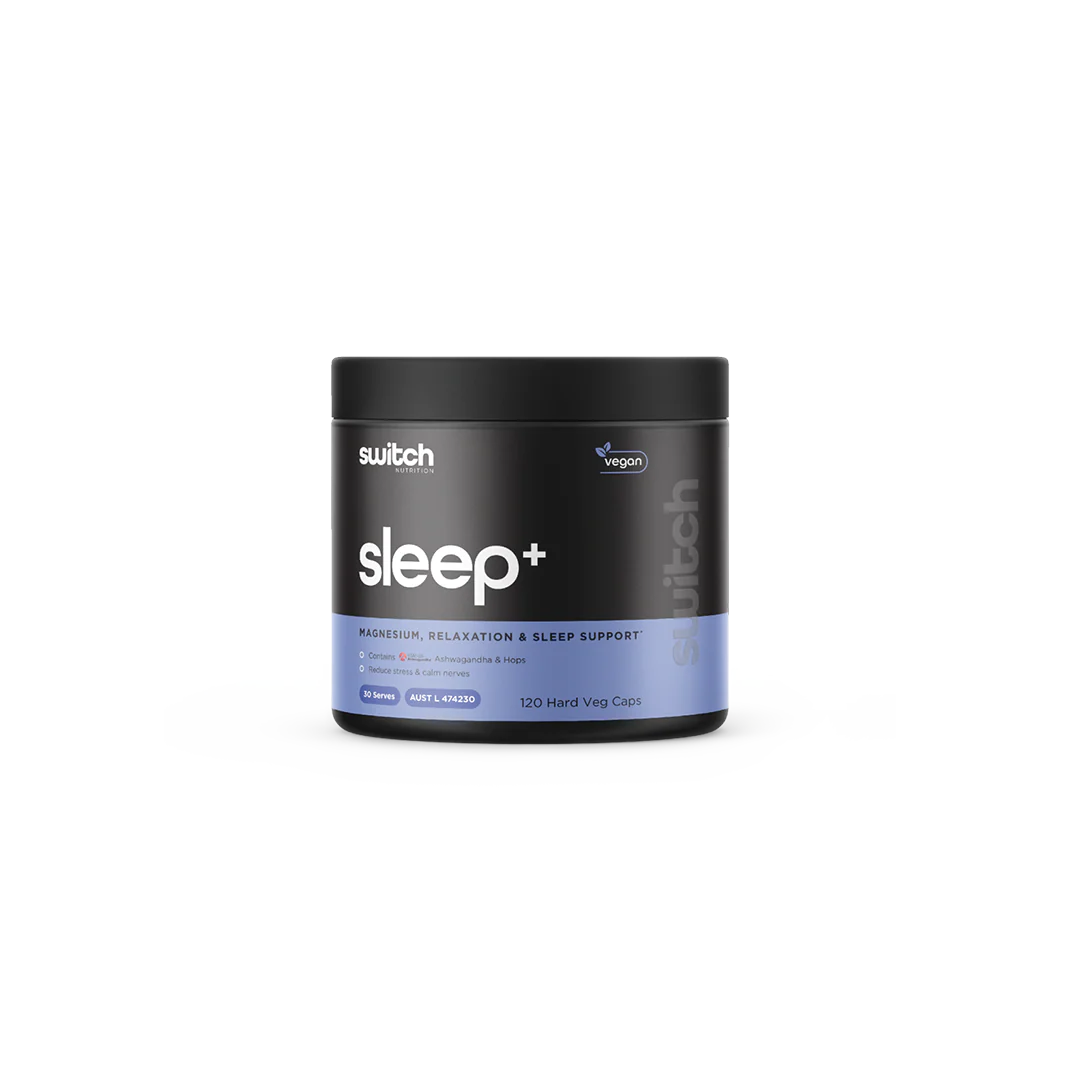
Switch Sleep+ Capsules
Magnesium glycinate, ashwagandha and zinc combined to support deeper sleep — the cheapest performance lever in any Hyrox build. Take 1-2 capsules an hour before bed.
From
Shop →
$70

Category · Sleep
Sleep is the lever with the largest effect on race-day output. Magnesium glycinate, ashwagandha, sleep-stack capsules and nasal strips for travel.
Most Hyrox athletes spend significant time and money on the visible parts of recovery — the percussion massager, the supplement stack, the foam roller — and ignore the lever that moves the needle most: sleep duration and quality.
The Mah et al 2011 study at Stanford gave college basketball players an extra hour of sleep per night for 5-7 weeks. The result: measurable improvements in sprint performance, free-throw accuracy, and reaction time. None of those are sport-specific — they’re the same systems you rely on for sled-push pacing and wall-ball accuracy at rep 80.
The corollary: under-sleeping is the silent recovery debt. You can foam roll, take creatine, eat enough protein, and still wake up shot if last night was 6 hours. Hyrox prep blocks are 12-16 weeks of accumulated sleep load — under-sleeping for two of those weeks compounds.
Magnesium is involved in over 300 enzymatic processes, including muscle relaxation, energy metabolism, and nervous-system regulation. The Boyle et al 2017 review (PMID 27875740) summarises the case for athletes specifically — magnesium status correlates with grip strength, vertical jump, and anaerobic capacity, and athletes routinely sit at the lower end of the population intake distribution because of higher sweat losses.
The form matters. Magnesium oxide is cheap, poorly absorbed, and a common cause of GI upset. Magnesium citrate absorbs better but tends to cause looser stools at higher doses. Magnesium glycinate (or bisglycinate) is the form most consistently chosen in sleep and athlete-supplement protocols — well-tolerated, well-absorbed, and the glycine itself contributes mildly to relaxation.
For Hyrox athletes specifically, the dose-response curve flattens around 300-400 mg of elemental magnesium glycinate. Taking 600+ mg doesn’t add benefit and may push you toward the GI side effects.
Ashwagandha is an adaptogen — a category of herbs that purportedly helps the body manage stress. The category gets oversold but the evidence for ashwagandha specifically is reasonable. The Salve et al 2019 RCT (PMID 31728244) showed measurable cortisol reductions in stressed adults given 600 mg of KSM-66 extract daily over 8 weeks.
Translation for Hyrox: ashwagandha earns its place in your stack during the heavy weeks of a build block, when your training stress is high enough to push evening cortisol up and your sleep starts slipping. It’s not a daily-driver supplement for general fitness — it’s a tool you reach for when stress load is climbing.
Most “sleep optimisation” content is overcomplicated. Five things, in order of impact:
Don’t add sleep tracking devices to this list. They’re useful for awareness, not for changing behaviour. The above five do most of the work.
Three products cover the Hyrox-relevant sleep and magnesium spectrum without overlap:
Magnesium glycinate, ashwagandha and zinc combined to support deeper sleep — the cheapest performance lever in any Hyrox build. Take 1-2 capsules an hour before bed.
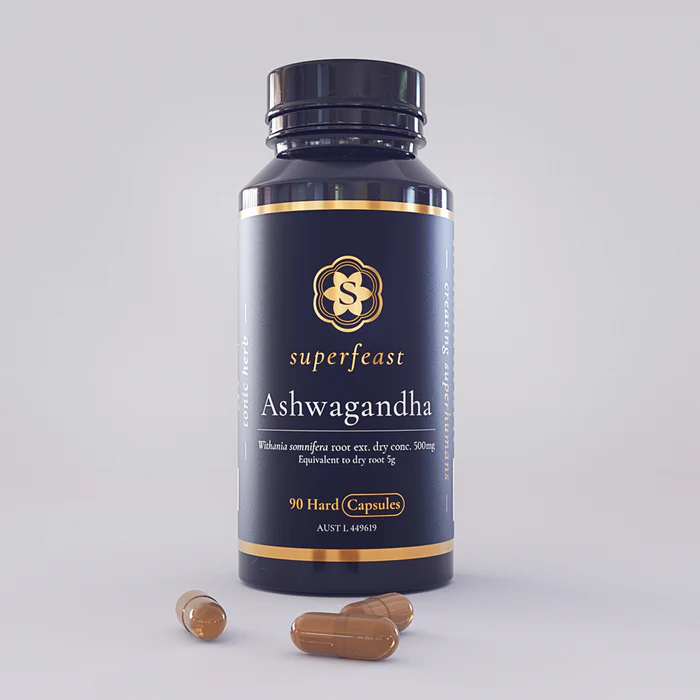
Traditionally used to support stress response and recovery — useful in the heavy weeks of a Hyrox prep block where cortisol load builds up. Ayurvedic root extract, sustainably sourced.
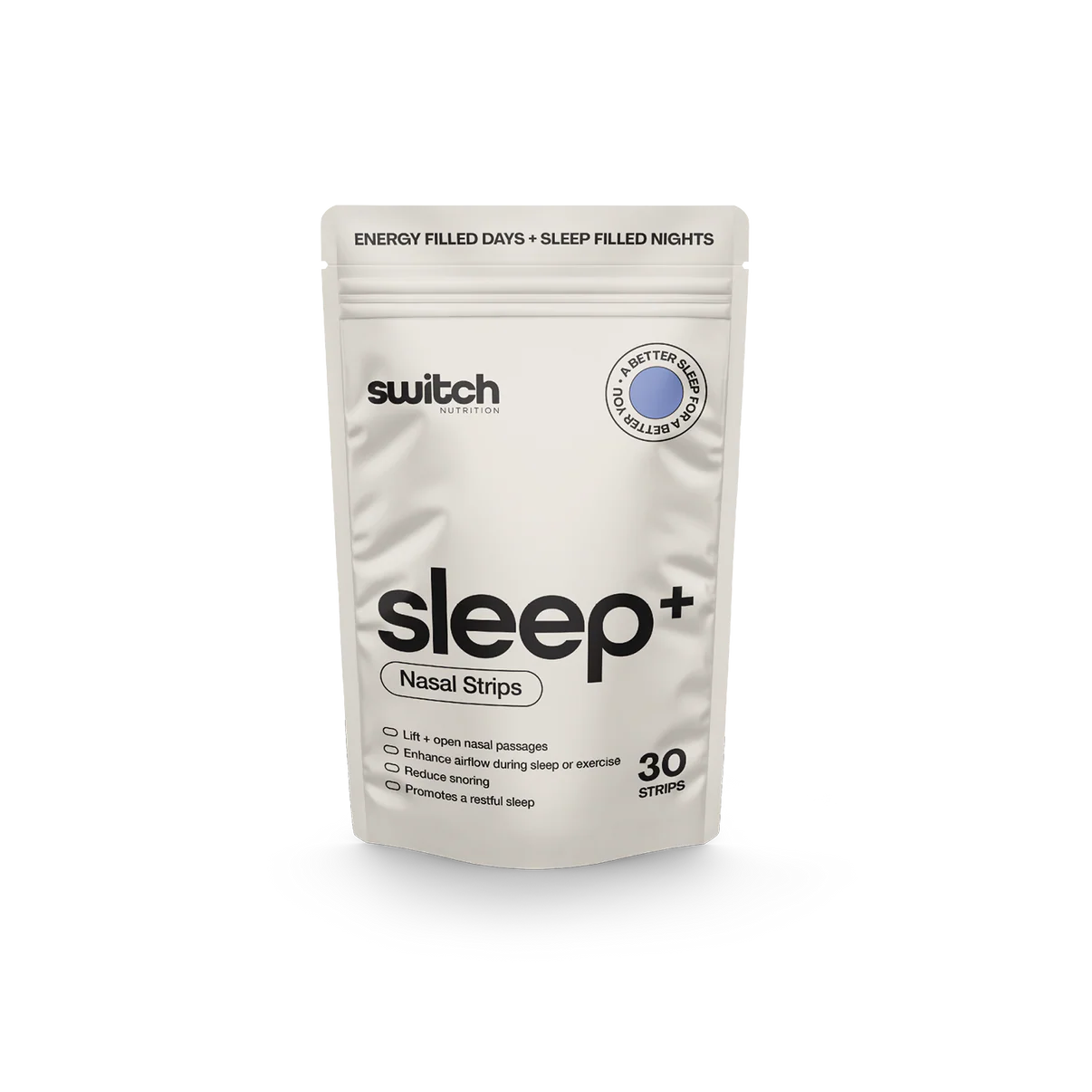
Open airways, less mouth-breathing, deeper sleep. Cheap, single-use, and especially useful on race-week trips when you're sleeping in unfamiliar hotels.
Free PDF · 16 pages
Per-station mobility flows. Race-week protocol. Supplement timing. The 5 mistakes that cost you. Email it to me.