Hyrox is an indoor event that still demands real hydration
The temptation with indoor races is to under-fuel hydration: it’s not a marathon in 30°C heat, the run distance is “only” 8 km. Both true. Both irrelevant.
Hyrox is 60-110 minutes of alternating high-output work in a packed indoor venue. Heat and humidity climb fast in those rooms. Sweat losses across an Open men’s race typically run 1-2 litres; sodium losses 800-1500 mg. Run that deficit unaddressed for 90 minutes and you’ll feel it on the wall balls — not as cramp, but as creeping inability to hold pace.
The ACSM position stand on exercise and fluid replacement (Sawka et al 2007, PMID 17277604) is the foundational reference: aim to lose less than 2% of body weight across an event, and replace electrolytes proportional to sweat losses. The Sports Dietitians Australia position statement (McCubbin et al 2020, PMID 31891914) translates that for hot-environment exercise — and indoor Hyrox venues qualify.
Why sodium pre-loading matters
Pre-race sodium does more than top up your reserves. The Cermak & van Loon 2013 review (PMID 23900758) summarises the mechanism: sodium loading 60-90 minutes before sustained exercise expands plasma volume, which improves cardiovascular efficiency and thermoregulation during the race itself.
Translation: 350-600 mg of sodium with adequate fluid 60-90 minutes pre-start gives you measurably better blood-volume status when the race kicks off. It’s not subtle — athletes who pre-load report later onset of perceived effort and clearer thinking deep in the race.
The protocol matters too. Spreading 600 mg across 90 minutes works better than slamming it 30 minutes before the start. Sip, don’t chug.
Race-day fuelling protocol
A simple template, race-tested:
- 3 hours pre-start: Pre-race meal (carb-heavy, low-fat, modest protein). 500 ml water with food.
- 90-60 min pre-start: First electrolyte hit — 350-600 mg sodium in 400-500 ml water. Sip across 15-20 minutes.
- 30 min pre-start: Caffeine if it’s part of your routine (3-6 mg/kg). Last bathroom visit. Final 200-300 ml water.
- Warm-up (10-15 min): Light sips only.
- Last 5 min before start: Mouth rinse, swallow if you need to. Don’t load.
- During the race: Carry 250-500 ml with electrolytes. Sip during transitions and run sections.
- Within 30 min post: Continue electrolytes alongside protein + carbs.
The athletes who feel best at rep 80 of the wall balls aren’t the ones who drank the most. They’re the ones who pre-loaded correctly and sipped consistently.
What we don’t recommend
- Pure-sugar sports drinks (Powerade, Gatorade in standard formulations). Too much simple sugar, too little sodium for the duration of a Hyrox.
- Salt tablets without water. Slamming sodium without proportional fluid creates a bigger osmotic problem than the one you’re solving.
- Anything new on race day. Test every electrolyte product through at least three race-pace simulations before relying on it. Race week is not the time to switch brands.
The category lineup
Two products cover the Hyrox-relevant hydration spectrum:
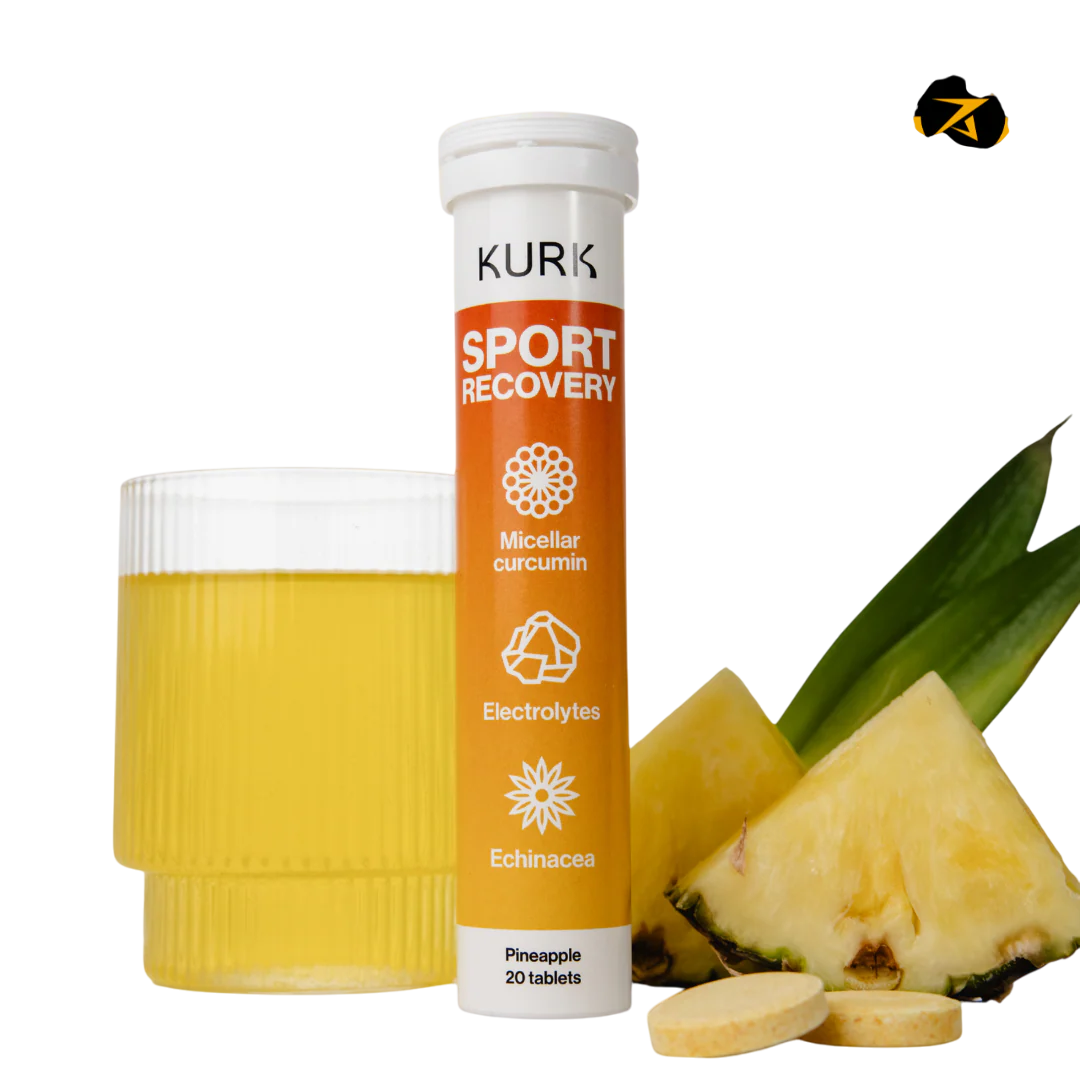
- KURK Sport Recovery + Hydration ($119, 20% commission) — combines micellar curcumin (anti-inflammatory) with electrolytes and echinacea. Designed for the dual job of race-day hydration plus post-race recovery in one stick. Doctor-formulated, athlete-tested.
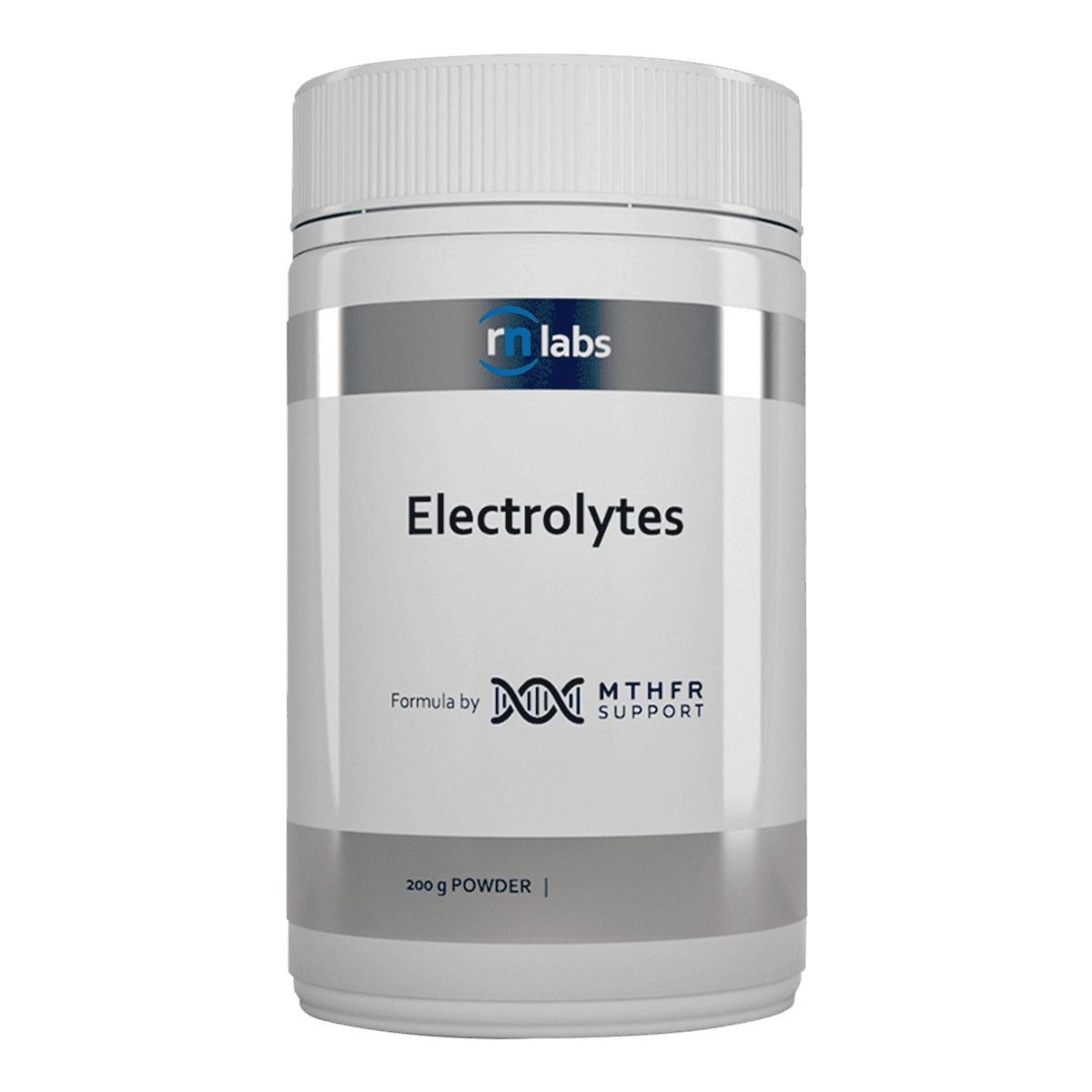
- MTHFR Support Electrolytes ($57.75, 20% commission) — sodium, potassium, magnesium, chloride with D-ribose and taurine. The broader formula matches Hyrox’s energy demands better than a sodium-only product. Daily-driver during heavy training blocks; race-day pre-load.
Top Athlete EAA+ Electrolytes is a runner-up worth knowing — it pairs amino acids with electrolytes, which makes it a useful sip-through-session product for long simulation days. We didn’t put it in the featured slot because the EAA component overlaps with Switch Amino in our nutrition lineup, but it’s a strong option.