Rox Recovery
Category · Tools

Massage &
Mobility.

Foam rollers, percussion massagers and trigger-point tools that target the muscle groups Hyrox actually loads.

What mobility actually does for Hyrox

The current best evidence on foam rolling is “small but real”. The 2019 meta-analysis covering 32 studies (Wiewelhove et al) found measurable but modest reductions in DOMS and small improvements in performance recovery. The 2020 systematic review (Hendricks et al) confirmed reliable gains in range of motion and no detrimental effects on athletic performance.

So: foam rolling won’t transform your recovery. But it won’t hurt, it costs ~$50, and it works.

Percussion massage sits in roughly the same evidence territory — measurable effects on perceived soreness and short-term ROM, modest effects on objective performance. The advantage over foam rolling is targeting: a percussion device can dig into the lateral quad, the medial gastroc, the piriformis, the rotator-cuff insertions in ways a foam roller can’t.

Percussion massage vs foam rolling — the practical split

Foam rolling wins for: daily warm-up, full-body sweep post-session, hamstrings, IT band, lats, mid-back. Cheap, no batteries, lasts forever.

Percussion massage wins for: glute medius, piriformis, calves, deltoids, traps, forearms after farmers carry. Time-efficient (1-2 min per muscle vs 5+ on a roller). Better for travel.

You don’t have to pick one — most committed Hyrox athletes use both. The roller is the cheap base layer; the percussion massager is the targeted finisher.

A 10-minute Hyrox recovery routine

Saving for race week:

  1. 90cm foam roller — 4 minutes

    • Hamstrings (60s each side)
    • Quads (60s each side)
    • Lats (30s each side)
    • Mid-back / thoracic (60s)
  2. Trigger-point or massage balls — 3 minutes

    • Glutes (60s each side)
    • Plantar fascia / arches (60s each foot)
  3. Percussion massage — 3 minutes

    • Calves (45s each)
    • Forearms (45s each)
    • Quads — vastus medialis (30s each)

This isn’t fancy. It’s the minimum that covers the muscle groups Hyrox actually trashes. Adjust based on which station you just did most of.

The lineup

4 products in this category.

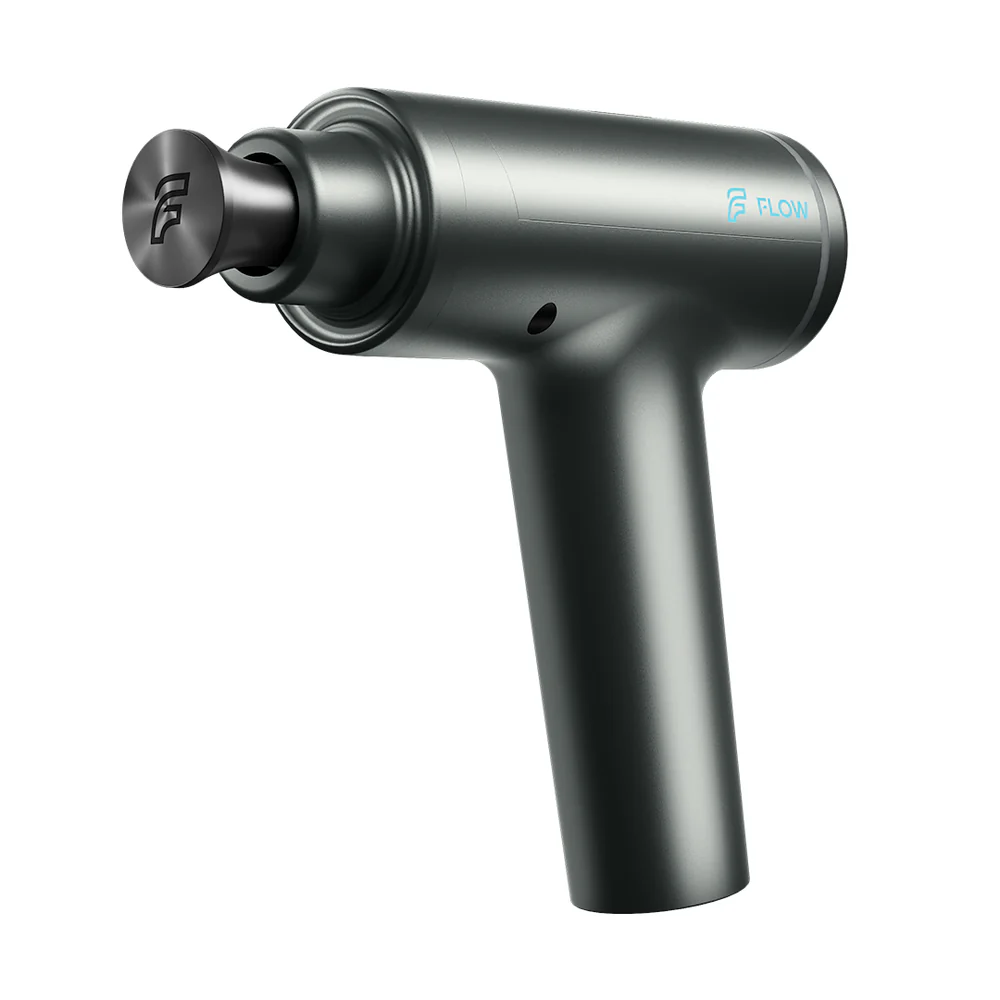
Flow Move Percussion Massage Device
66fit

Flow Move Percussion Massage Device

Designed with sports physios for fast post-session recovery — five attachments cover everything from sled-push glutes to wall-ball quads. Pressure sensing prevents over-treatment on tender areas.

From
$370
Shop →
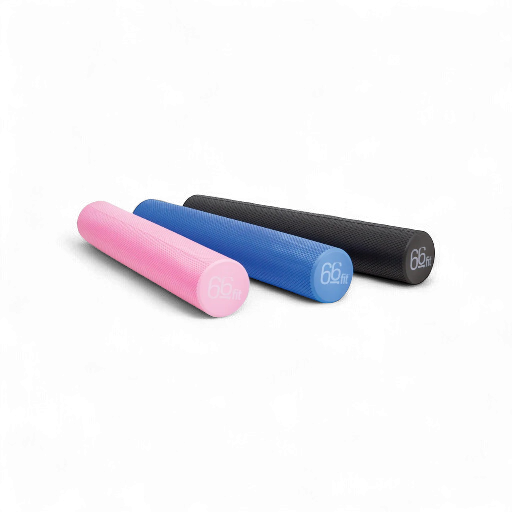
90cm Foam Roller
66fit

90cm Foam Roller

The full-length workhorse for race-day recovery. Long enough to roll your spine, lats and hamstrings end-to-end after a Hyrox simulation session.

From
$52
Shop →
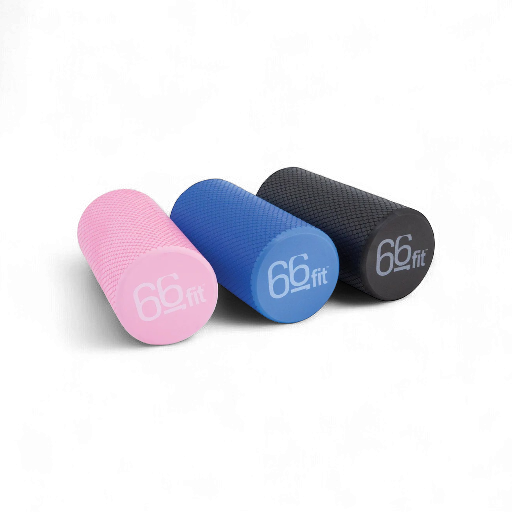
30cm Foam Roller
66fit

30cm Foam Roller

The portable everyday roller — ideal for travel and pre-race warm-up at the venue. Same density as the 90cm, half the size.

From
$26
Shop →
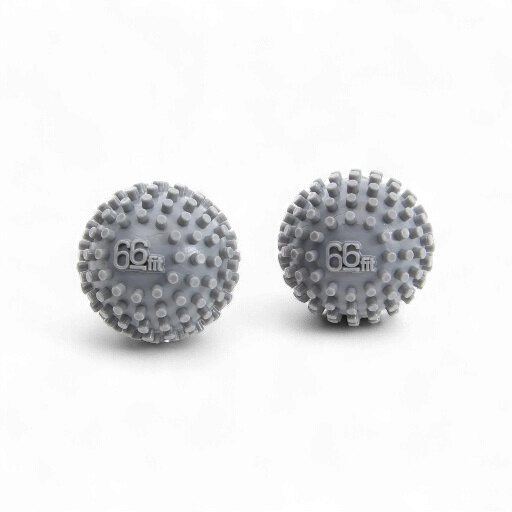
Hand and Foot Massage Balls (2pcs)
66fit

Hand and Foot Massage Balls (2pcs)

Targets the grip fatigue from farmers carry and SkiErg, plus plantar tightness from high running volume. Small enough to keep in your gym bag.

From
$26
Shop →

Frequently asked

Massage gun or foam roller — which should I buy first?+
Foam roller. It's cheaper, covers more body, and the meta-analyses show consistent effects on perceived DOMS and ROM recovery. Add a percussion massage device when you've got $300-400 to spend and want targeted work on specific muscles a roller can't reach.
How often should I use a percussion massager?+
Post-session, 1-2 minutes per muscle group on areas that feel tight or worked. Daily is fine. Avoid grinding into joints, tendons, or bony surfaces — pressure-sensing devices like the Flow Move help here, but common sense matters more.
Are cheaper foam rollers as good?+
For the basics, yes — a hard-density EVA foam roller will outperform a soft one regardless of brand. We feature 66fit because their density and length options match the Hyrox use cases (90cm for full-body rolling, 30cm for travel). Avoid ultra-soft rollers; they're too forgiving to actually shift tissue.
Should I foam roll before or after training?+
Both, but for different reasons. Pre-training — increases ROM, reduces stiffness, useful as a warm-up component. Post-training — modest reduction in perceived DOMS over the next 24-48 hours. Foam rolling between sets is a waste of time.