
Published 29 April 2026
- Recovery sits on four levers: sleep, mobility, nutrition, anti-inflammatories.
- Match the lever to the training-cycle stage. What works in the build phase isn't what works in race week.
- Two products do disproportionate work: creatine (most-studied) and magnesium glycinate (sleep + cramping).
- Per-station recovery beats generic recovery. Sled push needs different treatment than wall balls.
Why recovery isn't optional for Hyrox
Hyrox is a hybrid event: roughly 60-110 minutes of alternating endurance and high-intensity work, with eight 1km runs interleaved with eight strength stations. The injury data emerging from sports-medicine clinics treating Hyrox athletes is consistent — the most common issues are lower back, shoulder, hip flexor, and knee, almost always driven by cumulative load mismatch over a 10-12 week prep block, not a single bad session.1,2
Translation: recovery isn't the icing on the cake. It's the load-management mechanism that lets the rest of training happen. Skip it and the next session gets worse, not better.
The 8 stations and what they trash
Each station loads different muscle groups. Recover them differently. Click through to the per-station protocol for the four stations that drive most of the post-race DOMS.
| Station | Loaded | Recovery lever |
|---|---|---|
| SkiErg | Lats, posterior chain, grip | Percussion massage on lats; shoulder mobility |
| Sled Push | Quads, glutes, calves, lower back | Foam roll quads + glutes; magnesium overnight |
| Sled Pull | Lats, biceps, lower back, grip | Lat rolling; forearm massage; curcumin |
| Burpee Broad Jumps | Full body, hip flexors, chest | Hip flexor mobility; sleep prioritised |
| Rowing | Posterior chain, grip | Foam roll hamstrings + erectors; protein within 30 min |
| Farmers Carry | Forearms / grip, traps, core | Massage balls for forearms; omega-3 for joint inflammation |
| Sandbag Lunges | Quads, hip flexors, glutes | Foam roll quads; stretch hip flexors; magnesium |
| Wall Balls (100) | Quads, shoulders, hip flexors | Percussion on quads + delts; curcumin for soreness |
Recovery by training-cycle stage
Weeks 1-4 — Base
Volume's increasing. Technique work on the stations. Soreness is nothing dramatic yet, but you're building the base that everything else loads on. Daily foam rolling, basic mobility, electrolytes if you sweat a lot. Start creatine monohydrate now if you don't already take it — it takes ~3 weeks to saturate phosphocreatine stores.3
Weeks 5-8 — Build
Higher intensity. Race-specific WODs. This is where recovery debt starts compounding if you're not deliberate. Add a percussion massage device for targeted post-session work, layer in magnesium glycinate at night, and bump fish oil EPA/DHA for the rising inflammatory load.
Weeks 9-12 — Peak
Full simulations, 60-90 minute sessions twice a week. Sleep is the lever. Add ashwagandha if cortisol is climbing (poor sleep, poor mood, training feels harder than it should). Curcumin earns its place here for managing post-simulation soreness without blunting adaptation.
Race week
Taper. Carb-load the last 36 hours. Don't introduce new products. Race-day morning: electrolytes 60-90 min pre-start (350-600mg sodium), warm-up cream on cold venue floors, and your tested pre-race fuel.
Post-race (1-2 weeks)
DOMS peaks 24-48 hours post. Within 30 minutes: protein + carbs (recovery nutrition). That night: magnesium and sleep. Day 2-3: percussion massage, foam rolling, anti-inflammatories (curcumin, omega-3). Re-introduce light training around day 4-5.
The four levers, with the science
Sleep
The cheapest, highest-leverage tool you have. Athletes who extend sleep show measurable improvements in reaction time, sprint performance, and accuracy. Magnesium glycinate at 200-400mg, 30-60 minutes before bed, supports sleep-onset and reduces overnight cramping. Ashwagandha is well-supported for cortisol modulation in stressed populations.
Switch Sleep+ Capsules → · SuperFeast Ashwagandha →Mobility
Foam rolling has small but consistent effects on perceived DOMS and ROM recovery — the meta-analyses (Wiewelhove 2019; Hendricks 2020) show modest reductions in soreness and useful gains in range of motion, with no detrimental effect on performance.2,3 Percussion massage devices add targeted, time-efficient pressure on the muscles foam rollers can't reach.
90cm Foam Roller → · Flow Move Percussion →Nutrition
Three things compound: protein within 30 minutes of training (20-40g, fast-digesting), creatine monohydrate at 5g/day (no loading needed), and EPA/DHA omega-3 to modulate post-exercise inflammation. Creatine's case in particular is strong: phosphocreatine availability determines performance quality on every Hyrox station and the recovery rate between each station and the subsequent run.1
ATP Creapure → · Switch WPI → · OmegaGenics Fish Oil →Anti-inflammatories (used carefully)
Curcumin has 6+ RCTs showing reduced DOMS at 200-1500mg/day; omega-3 EPA/DHA modulates the broader inflammatory response. Important caveat: high-dose NSAIDs around training can blunt training adaptations, so we don't recommend chronic ibuprofen as a recovery strategy. Curcumin and fish oil don't show that downside in the literature.
Kurk Liquid Curcumin → · KURK Sport Recovery + Hydration →The 60-minute post-race protocol
Once you cross the line, the next hour matters more than the next week.
- 0-15 min: Walk it off. Don't sit immediately. Sip water with electrolytes (hydration).
- 15-30 min: Whey protein 30g + carbs ( Switch WPI + a banana / collagen bar).
- 30-60 min: Get out of your kit, shower, change. Eat a real meal if you can stomach it.
- 2-4 hours: Light walk, gentle foam rolling on quads + glutes if you have access.
- That evening: Magnesium + Sleep+ stack. Aim for 8-9 hours.
- Day 2-3: Percussion massage on the worst-hit muscles. Curcumin + omega-3. No high-intensity training.
- Day 4-5: Light training. Re-assess soreness honestly before pushing intensity.
The minimum-viable Hyrox recovery stack
If you're starting from scratch and can only buy three things, here's the order:
- A foam roller — 90cm if you have storage space; 30cm if you travel often.
- Creatine monohydrate — daily, 5g. The most-studied supplement in the entire recovery space.
- Magnesium glycinate (in Sleep+) — every night. Sleep is your highest-leverage performance lever.
Add the percussion massager when you have $300-400. Add curcumin and fish oil when you're racing more than once a year. Everything else is optimisation, not foundation.
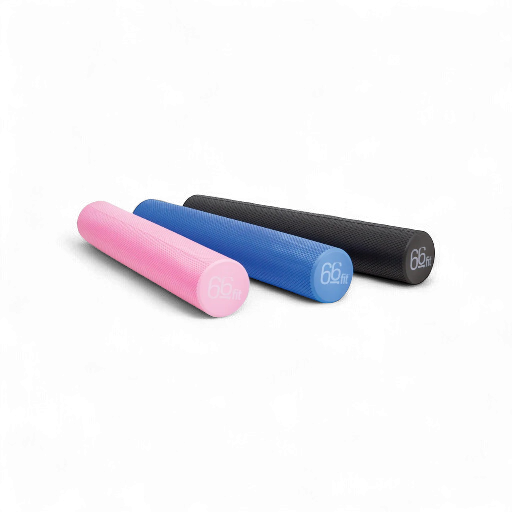
90cm Foam Roller
The full-length workhorse for race-day recovery. Long enough to roll your spine, lats and hamstrings end-to-end after a Hyrox simulation session.
.png)
ATP Creapure (Creatine Monohydrate)
Creapure is the gold-standard pharmaceutical-grade creatine. Daily 5g supports phosphocreatine recovery between high-intensity surges — the single most studied supplement for Hyrox-style work.
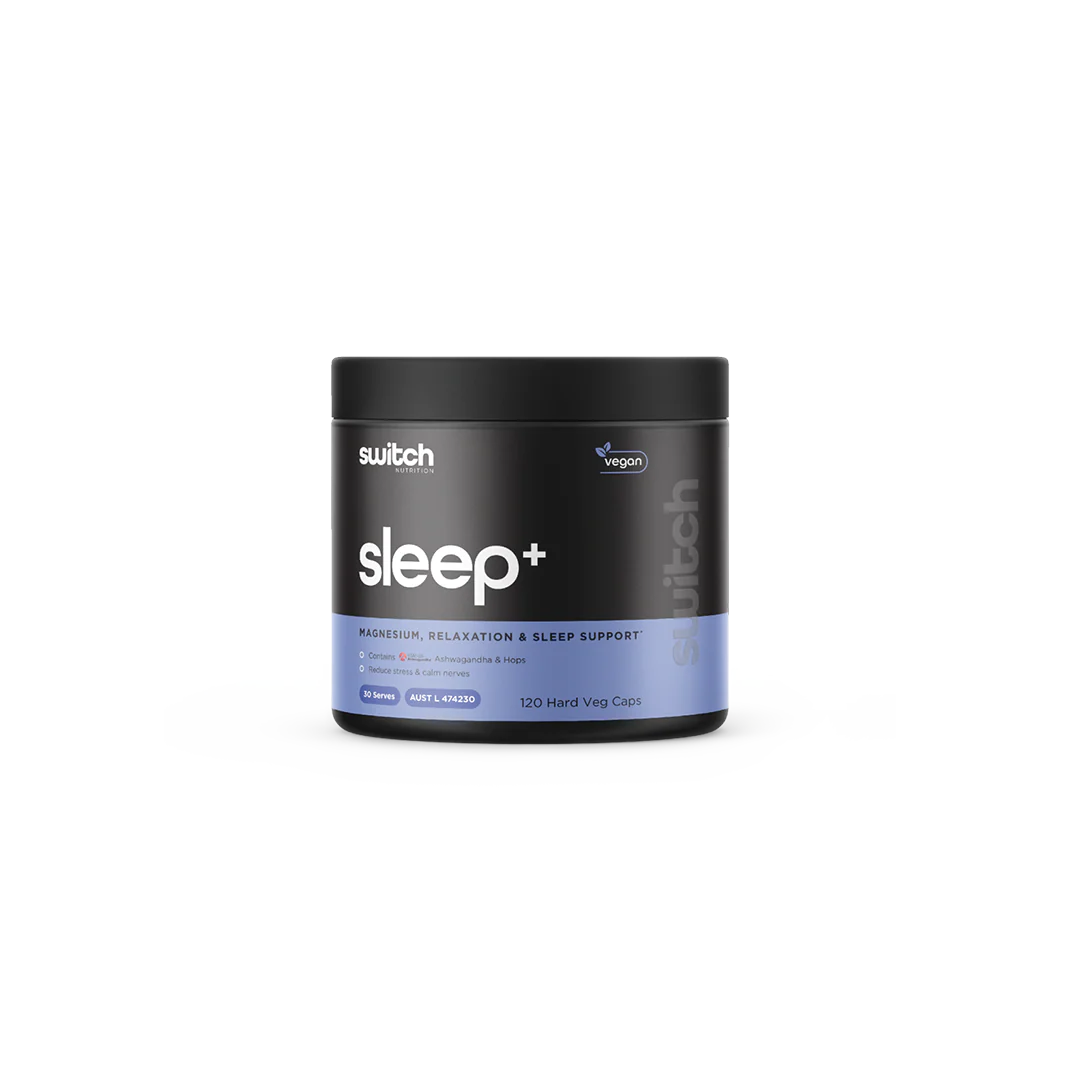
Switch Sleep+ Capsules
Magnesium glycinate, ashwagandha and zinc combined to support deeper sleep — the cheapest performance lever in any Hyrox build. Take 1-2 capsules an hour before bed.