
Rowing Recovery for Hyrox Athletes
The rowing 1km hits your posterior chain harder than the runs. Recovery and mobility protocol for after the rower.
Published 30 April 2026
The rowing 1000m sits at station 5 — exactly halfway through the Hyrox race. It’s the deceptive station: lower-impact than running, less max-output than sled push, but loads the posterior chain in a way that compounds with everything else in the back half of the race.
This is the recovery protocol that gets the hamstrings, back, and grip back online before the next session.
The 3-minute flow
Run this right after the station, before you sit down. Four movements, three minutes — taken from the Rox Recovery Playbook.
- Standing hamstring stretch with toe pull — 30s/side. Heel on a low bench, toes pulled toward shin. Hinge from the hip — back stays long.
- Cat-cow with thoracic reach — 5 cycles. On the round, reach one arm under the opposite, then up to the ceiling. Opens the rowing-locked t-spine.
- Couch stretch — 45s/side. Hip flexors get short on the rower too — the seated drive position locks them. Squeeze the back glute.
- Forearm flexor stretch — 30s/side. Palm up, fingers down. Sustained handle grip is what carries soreness into farmer’s carry the next day.
Muscles loaded
- Posterior chain — hamstrings, glutes, lower back erectors
- Lats — finishing the pull stroke
- Forearms / grip — sustained for ~4 minutes at race pace
- Quads — concentrically on the drive phase
- Mid-back / rhomboids — pulling the handle into the chest
The dominant 24-hour soreness pattern is hamstrings and lower back, with grip as a secondary signal. Quads recover faster than after sled push because rowing loads them concentrically (less eccentric damage). If your quads are wrecked but your hamstrings aren’t, your form was probably too quad-dominant.
Why rowing soreness is the sneaky kind
Rowing feels controlled — there’s no sprint moment, no max output, no jarring impact. Athletes often underestimate the cumulative load. Two specific factors make it sneakier than it looks:
- Eccentric hamstring loading on the catch. Each stroke ends with the hamstrings absorbing the deceleration as you compress back to the catch. Multiply that by ~140 strokes for a sub-4:30 1k and the hamstrings have done a lot of eccentric work. The 2019 foam rolling meta-analysis (Wiewelhove et al, PMID 31024339) is most clearly applicable to exactly this kind of damage pattern.
- Lat fatigue stacking with sled pull and SkiErg. By station 5 you’ve already loaded the lats twice. Rowing is a third pass. Athletes who don’t manage upper-back fatigue across the pull stations end the race with significant lat tightness for 48+ hours.
The 24-hour recovery protocol
Hour 0-1
- Walk for 2-3 minutes. Don’t sit with your knees bent — that locks up the hamstrings.
- Hydrate with electrolytes; 500-1000 ml.
- Whey isolate within 30 minutes — Switch WPI is fast-absorbing.
Hour 1-2
- Foam roll hamstrings — 60-90 s each side, slow passes from glute insertion to behind-the-knee.
- Roll lower-back erectors — 60 s, gentle pressure, avoid the lumbar spine itself.
- Roll lats — 30-60 s each side.
- Calf stretch and gentle hip flexor stretch.
That evening
- Switch Sleep+ before bed.
- 9 hours minimum.
Day 2
- Percussion massage on hamstrings, glutes, lats, and forearms.
- Light walk or easy spin — gets blood through the posterior chain.
- Daily curcumin and omega-3 continue.
Day 3
- Re-assess. Hamstrings usually at 80%+ by now. If still tight, another mobility-only day.
Products that help
- 90 cm Foam Roller — full-length is what makes hamstring + erector rolling actually effective. Short rollers leave coverage gaps.
- Flow Move Percussion Massage Device — best tool for the deep glute and lat work that a foam roller can’t reach efficiently.
- Hand and Foot Massage Balls — for the forearm flexors, which take a beating from the sustained grip on the rower.
- Switch WPI — the post-station nutrition lever.
- ATP Creapure — daily creatine; the phosphocreatine angle matters across all sustained-power efforts.
How to train rowing so you recover faster
Three drills do most of the work:
- Drill the legs-back-arms sequence at low intensity. Slow technique work weekly — five-stroke restarts at low damper, focusing on legs-first drive. Builds the motor pattern that holds up at race pace.
- Train hamstring strength through full range. Romanian deadlifts, single-leg RDLs, glute-ham raises. Rowing demands hamstring work in deep hip-flexion positions; lift to match.
- Pacing intervals. 5 × 500m at goal race pace with 90-second rest. Teaches you what controlled-but-firm rowing feels like across multiple efforts — exactly what Hyrox demands.
The rowing recovery debt isn’t from the 1000m itself — it’s from the cumulative posterior-chain load when rowing follows three other pull-dominant stations. Manage that load across a training week, not within a single session.
The recovery stack for this station.
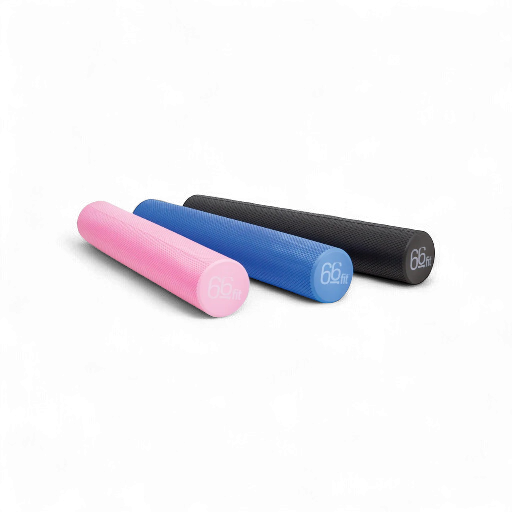
90cm Foam Roller
The full-length workhorse for race-day recovery. Long enough to roll your spine, lats and hamstrings end-to-end after a Hyrox simulation session.
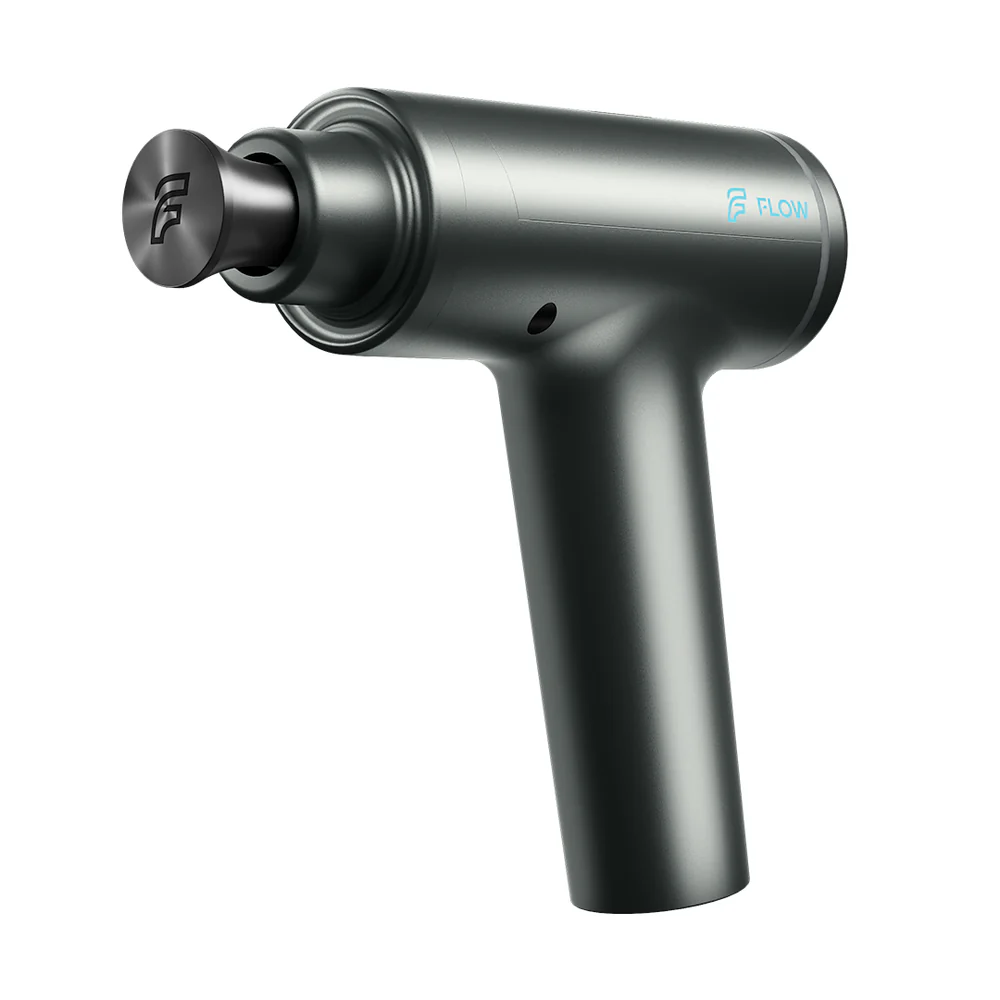
Flow Move Percussion Massage Device
Designed with sports physios for fast post-session recovery — five attachments cover everything from sled-push glutes to wall-ball quads. Pressure sensing prevents over-treatment on tender areas.
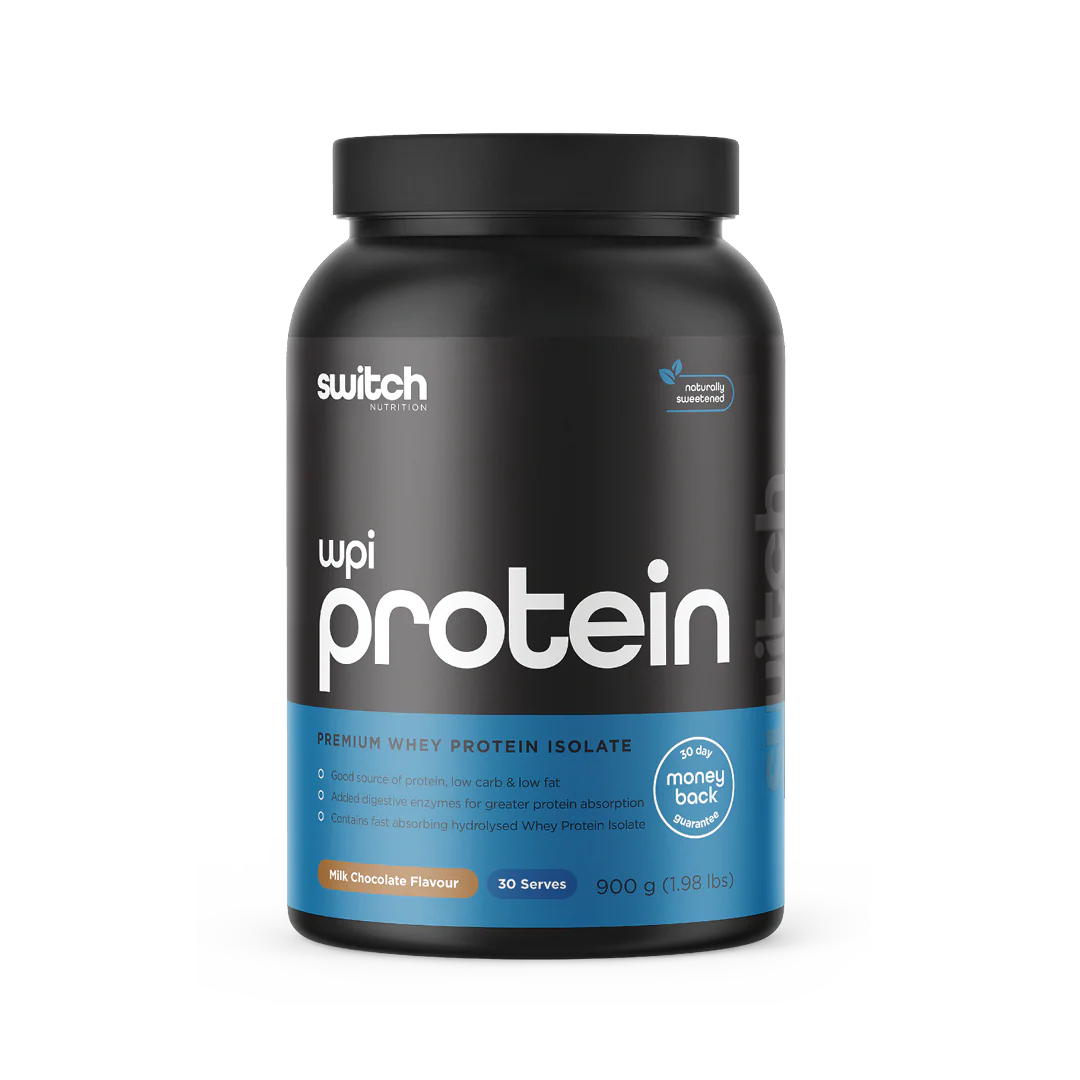
Switch WPI (Whey Protein Isolate)
Microfiltered + hydrolysed whey isolate that absorbs fast — exactly what you want in the 30-minute window after a Hyrox simulation. No artificial colours or sugar.
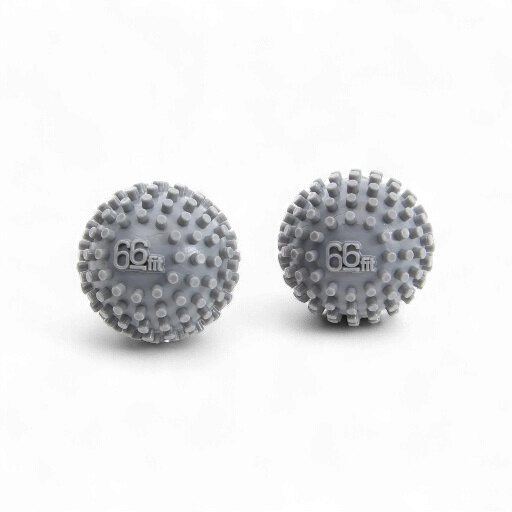
Hand and Foot Massage Balls (2pcs)
Targets the grip fatigue from farmers carry and SkiErg, plus plantar tightness from high running volume. Small enough to keep in your gym bag.
.png)
ATP Creapure (Creatine Monohydrate)
Creapure is the gold-standard pharmaceutical-grade creatine. Daily 5g supports phosphocreatine recovery between high-intensity surges — the single most studied supplement for Hyrox-style work.