
SkiErg Shoulder Recovery for Hyrox
The SkiErg + sled pull combo loads your shoulders unlike any other Hyrox station. Recovery, mobility, and supplements that help.
Published 29 April 2026
The SkiErg sits as station 1 in every Hyrox race. 1000 metres of double-arm pull-down — lats, triceps, posterior chain, and grip working in unison. By the time you finish the SkiErg you’ve already loaded the same muscle group you’ll hit again on the sled pull (station 3) and the rowing (station 5).
Cumulative pull volume is the unique stressor of a Hyrox race. This is the protocol for the day after.
The 3-minute flow
Run this right after the station, before you sit down. Four movements, three minutes — taken from the Rox Recovery Playbook.
- Lat hang — 30s × 2. Hang from a bar or the top of a doorway. Feet on the floor is fine. Lengthen the lat the SkiErg just shortened.
- Thoracic extension on roller — 30s. Roller across the upper back, hands behind head, slow extension. Five breaths. T-spine opens, shoulders drop.
- Cross-body shoulder stretch — 30s/side. Pull the elbow across, drop the shoulder down. The drop matters more than the pull.
- Upper trap stretch — 30s/side. Ear to shoulder, eyes toward the armpit. Add a slow exhale — traps release on the breath.
Muscles loaded
- Lats — primary mover on every pull
- Triceps — co-active in the pull-down phase
- Posterior delts and rotator cuff — stabilising the scapula
- Forearms / grip — sustained for the full 1 km
- Core / lower back — bracing role
The lats take most of the volume on the SkiErg. Compounded with the sled pull (lats again, plus biceps) and the rowing (lats again, plus posterior chain), most Hyrox athletes feel “back-fatigue” the day after — and it’s almost always the lats more than the spinal erectors.
Why shoulder fatigue is sneaky
Shoulder soreness from the SkiErg has a different profile than quad soreness from sled push. It’s slower to set in (48 hours rather than 24), more diffuse (you feel it across the lats and traps rather than a single muscle), and harder to address with foam rolling alone — most foam roller surfaces can’t reach the lat insertion or the rotator cuff.
There’s also a less-talked-about factor: the SkiErg pulls your scapula into a sustained protraction-retraction cycle for 4-7 minutes. Athletes with limited thoracic mobility or weak scapular retractors compensate by hiking their shoulders, which is a fast track to impingement-pattern pain in the 60-120° arc.
The 24-hour recovery protocol
Hour 0-1
- Walk and shake out your arms. Avoid letting them hang dead.
- Sodium-forward electrolytes — 500-1000 ml.
- Whey isolate within 30 minutes; 25-40 g.
Hour 1-2
- Foam roll lats (lie on side, roller under armpit, slow passes 60-90 s each side).
- Massage balls in the back of the shoulder (posterior delt, rotator cuff insertion).
- Gentle thoracic rotation — open book stretch, side-lying bent-knee twist.
- Pec stretch in a doorway, 60 s each arm.
That evening
- Standard Sleep+ stack.
- 9 hours minimum.
Day 2
- Percussion massage on lats, traps, and posterior delts. 60-90 s per area.
- Light upper-body mobility — band pull-aparts, scap push-ups, prone Y-T-W.
- Continue OmegaGenics fish oil and Kurk Liquid Curcumin (these are daily, not session-driven).
Day 3
- Re-assess. If shoulders are still tight, another mobility-only day. If you’re at 80%+, light upper-body work is fine.
Products that help
- Flow Move Percussion Massage Device — by far the best tool for the shoulder/lat region. Foam rolling lats is hard to do well; the percussion device handles it in 90 seconds per side.
- Hand and Foot Massage Balls — for the rotator cuff insertion and the deep posterior delt, both of which are hard to reach with anything else.
- 90 cm Foam Roller — for thoracic spine and lat rolling. The full length matters here — short rollers don’t give you full lat coverage.
- OmegaGenics High-Strength Fish Oil — daily 2-3 g EPA/DHA. Modulates the broader inflammatory load over a Hyrox training cycle, with particular relevance to musculoskeletal recovery.
- Kurk Liquid Curcumin — 1 ml daily. Anti-inflammatory specifically for post-eccentric soreness; doesn’t blunt training adaptations the way high-dose NSAIDs can.
Build mobility, not just recovery
The fastest fix for SkiErg shoulder fatigue is to train the position. Three accessory drills move the needle:
- Pull-overs — long lever lat strengthening. 3 sets × 10-12.
- Band pull-aparts — 3 × 20 daily. Strengthens posterior delts and scapular retractors.
- Thoracic extension over a foam roller — 60 seconds, weekly. Most athletes need more thoracic extension, not more shoulder mobility.
The same accessory work that bulletproofs your shoulders for the SkiErg also helps the sled pull and the wall balls. Three stations, one set of weak points.
The recovery stack for this station.
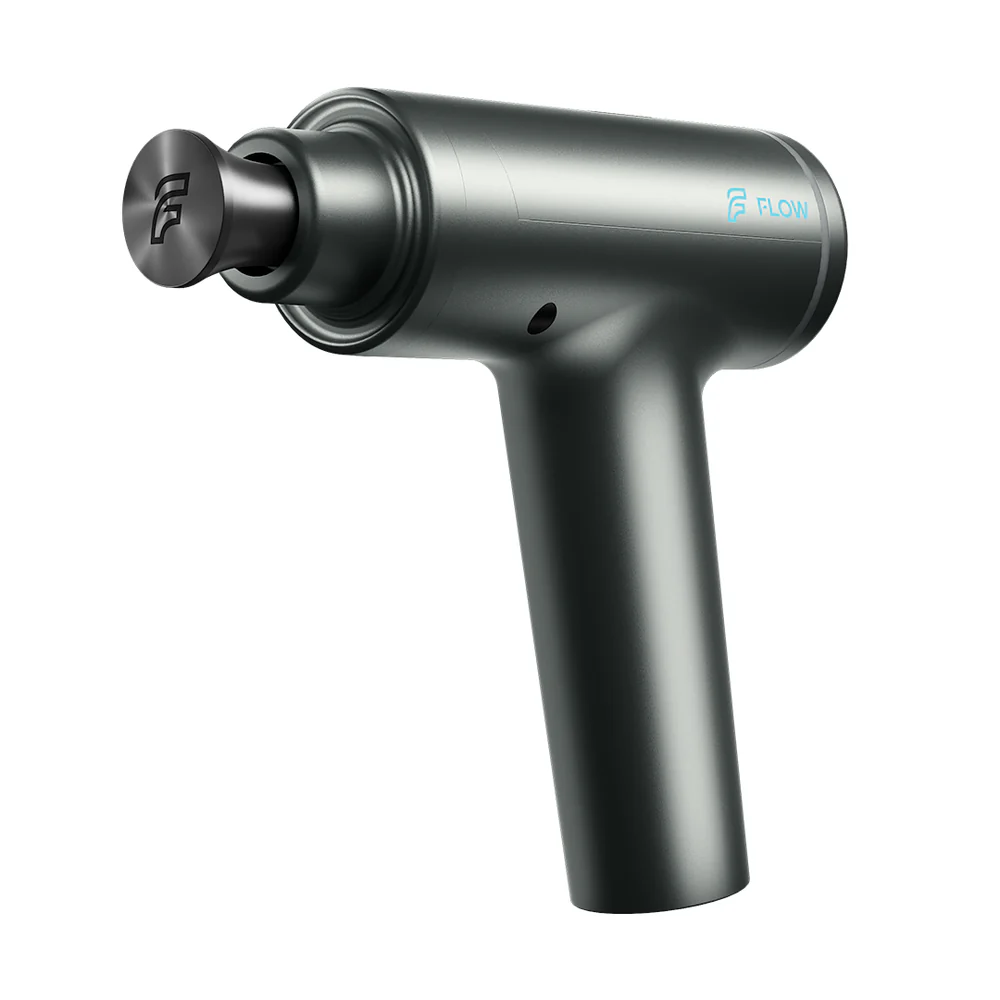
Flow Move Percussion Massage Device
Designed with sports physios for fast post-session recovery — five attachments cover everything from sled-push glutes to wall-ball quads. Pressure sensing prevents over-treatment on tender areas.
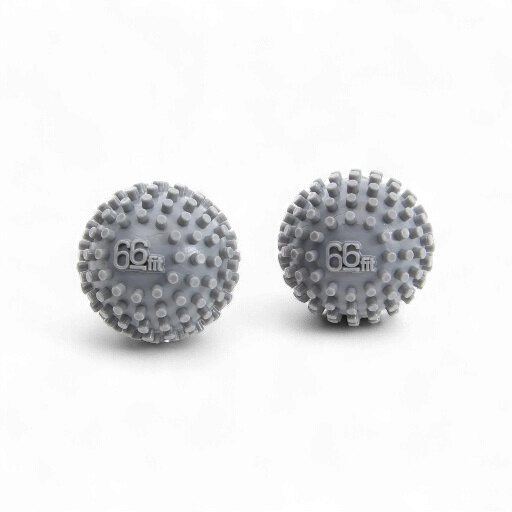
Hand and Foot Massage Balls (2pcs)
Targets the grip fatigue from farmers carry and SkiErg, plus plantar tightness from high running volume. Small enough to keep in your gym bag.
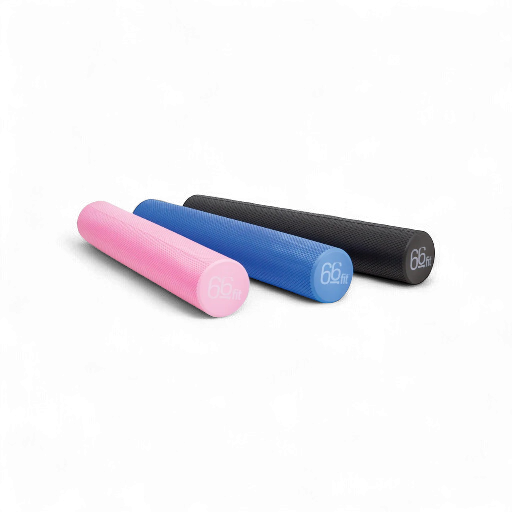
90cm Foam Roller
The full-length workhorse for race-day recovery. Long enough to roll your spine, lats and hamstrings end-to-end after a Hyrox simulation session.

Metagenics OmegaGenics Fish Oil
High-strength EPA/DHA — modulates post-exercise inflammation and supports nervous system recovery during heavy training blocks. Pharmaceutical-grade purity.
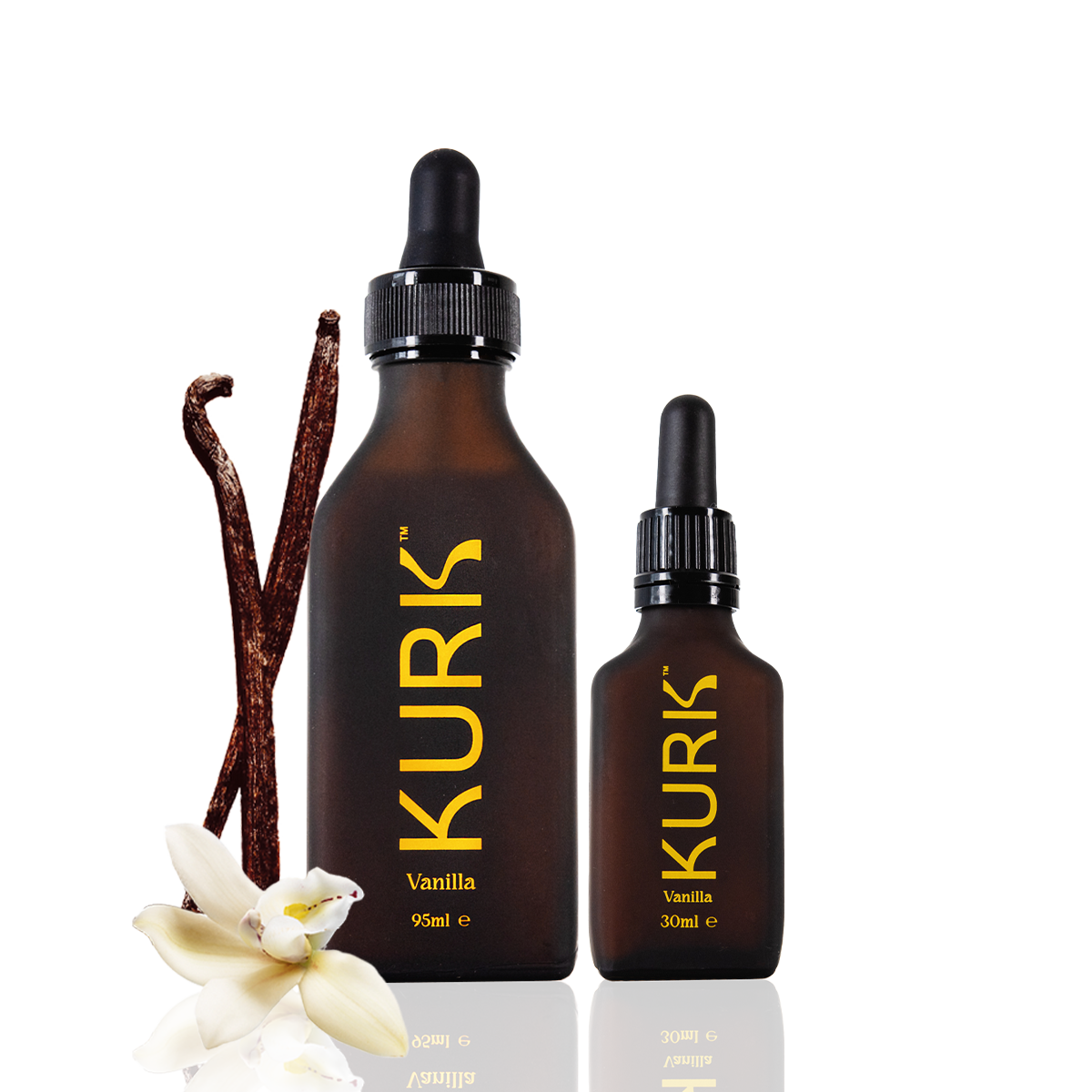
Kurk Liquid Curcumin
Liquid curcumin extract with strong evidence for reducing DOMS after eccentric work like sandbag lunges and wall balls. 1ml in your morning coffee, daily.