
Sled Pull Recovery — Lat & Lower Back Protocol
Sled pull is sled push's evil twin — same brutal load, different muscles. Recovery routine for lats, biceps, and lower back.
Published 30 April 2026
The sled pull sits at station 3 in every Hyrox race. 50 metres of horizontal rope-pulling — 78 kg (Open men) or 52 kg (Open women) on the sled. By the time you hit it you’ve already loaded your lats on the SkiErg one station back, and you’re going to load them again on the rowing two stations later.
Three pull-dominant stations in a single race. This is the post-race protocol that keeps your back from compounding.
The 3-minute flow
Run this right after the station, before you sit down. Four movements, three minutes — taken from the Rox Recovery Playbook.
- Lat foam roll — 30s/side. Lie sideways on the roller, top arm overhead. Slow passes from armpit to ribs.
- Bicep wall stretch — 30s/side. Palm flat against a wall behind you, arm straight. Rotate the chest away — slow.
- Thoracic rotation reach — 8/side. On all fours, hand behind head, rotate elbow up to the ceiling. Open the t-spine the lats just locked down.
- Forearm flexor stretch — 30s/side. Arm extended, palm up, pull fingers down with the other hand. Stops the grip from staying clenched into tomorrow.
Muscles loaded
- Lats (latissimus dorsi) — primary mover on every pull
- Biceps — bending the elbow to drive the rope
- Lower back / erectors — bracing isometrically as you pull
- Forearms / grip — sustained for the full 50m
- Glutes + hamstrings — anchoring your stance
If you finished the sled pull and your biceps were the dominant fatigue signal, your form skewed toward arm-pulling. The lats should do most of the work; biceps assist. Athletes who pull with their arms first tend to gas out earliest because biceps are smaller and fatigue faster than lats.
Why sled pull and sled push break differently
The same back, same legs, same race weight class — but recover them differently. Sled push is concentric leg drive with isometric back bracing; sled pull is concentric upper-body pull with isometric leg bracing. Both finish with cooked lower backs but for opposite reasons:
- Sled push back pain = compensation when hip extension fails and your erectors take over the drive
- Sled pull back pain = compensation when lats fatigue and your erectors take over the bracing
The technique fix is therefore different (glute work for push, lat work for pull) but the recovery protocol overlaps a lot — both need erector decompression, both need posterior-chain mobility.
The 24-hour recovery protocol
Hour 0-1
- Walk for 2-3 minutes. Don’t sit immediately — keep blood through the back.
- Hydrate with electrolytes; 500-1000 ml.
- Whey isolate within 30 minutes — 25-40 g.
Hour 1-2
- Foam roll lats — lie on your side, roller under armpit, slow passes 60-90 s each side.
- Massage balls under the upper trap and around the rotator-cuff insertion.
- Gentle thoracic rotation — open book stretch, side-lying bent-knee twist, 60 s each side.
That evening
- Magnesium glycinate before bed (Switch Sleep+).
- Aim for 9 hours.
Day 2
- Percussion massage on lats, traps, and forearms — 60-90 s per area.
- Light upper-body mobility — band pull-aparts, doorway pec stretch.
- Add Kurk Liquid Curcumin to the daily stack if you’re not already on it.
Day 3
- Re-assess. Lats should be at 80%+ by now. If they’re still tight, another mobility-only day. If you’re fresh, light pull volume is fine.
Products that help
- 90 cm Foam Roller — full-length lat rolling is hard on a 30 cm roller. Get the 90 if you don’t already have one.
- Flow Move Percussion Massage Device — best tool for the lat insertion at the armpit and the deep posterior delt. The pressure-sensing prevents you from grinding into the rotator cuff.
- Hand and Foot Massage Balls — for the forearm flexors. Sled pull crushes them, and a foam roller can’t reach the deep tissue.
- Kurk Liquid Curcumin — 1 ml daily. Curcumin’s anti-inflammatory effect maps onto the cumulative pull-station load over a Hyrox prep block.
- ATP Creapure (Creatine Monohydrate) — 5 g daily. The phosphocreatine recovery angle matters across all high-intensity stations, and sled pull is one of them.
How to train sled pull so you recover faster
The fastest recovery is one your body doesn’t need. Three accessory drills do most of the work:
- Pull-overs — long-lever lat strengthening at moderate weight, 3 sets of 10-12.
- Single-arm dumbbell rows — controls left/right asymmetry that often shows up as one-sided lower back pain.
- Heavy farmer’s carries — direct grip + lat endurance training. 30-40 m at a heavy weight, 3 sets.
The lats also benefit from being trained in their full range of motion at least once a week — chin-ups (full hang to chin-over-bar) or pull-ups with a 2-second pause at the top. Athletes who only train lats with rows tend to lose the top range of motion, which is exactly where sled pull demands it most.
The cumulative volume across a 12-week Hyrox prep block is what determines recovery debt — not any single session. Manage the lat volume across SkiErg, sled pull, and rowing combined, not in isolation, and your back will hold up.
The recovery stack for this station.
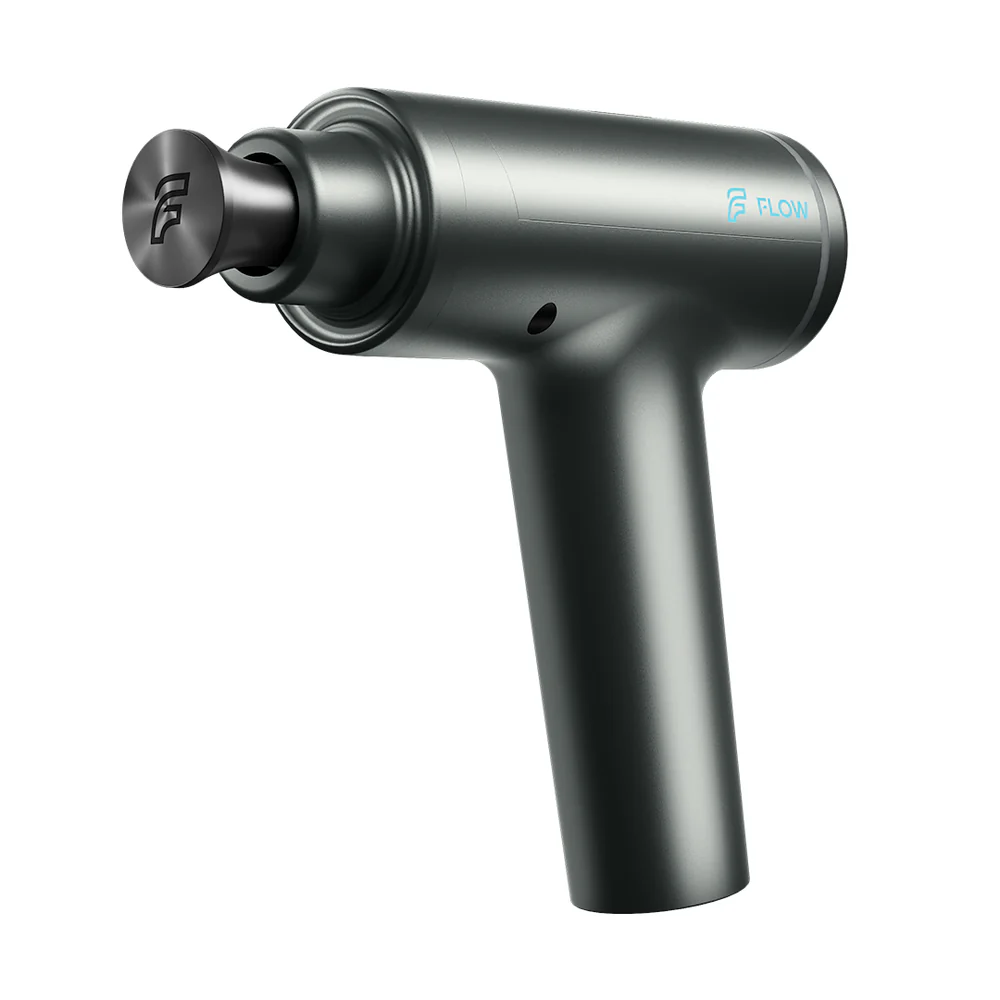
Flow Move Percussion Massage Device
Designed with sports physios for fast post-session recovery — five attachments cover everything from sled-push glutes to wall-ball quads. Pressure sensing prevents over-treatment on tender areas.
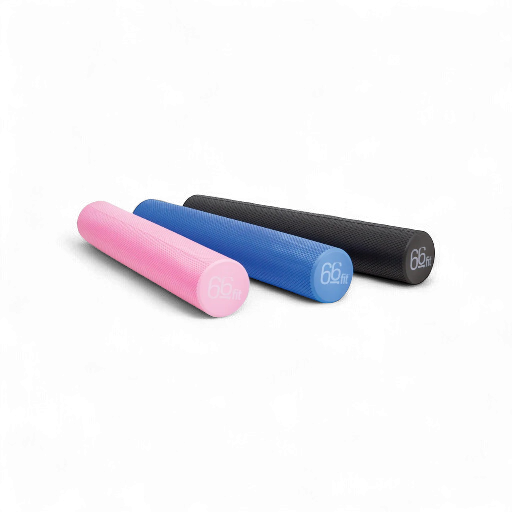
90cm Foam Roller
The full-length workhorse for race-day recovery. Long enough to roll your spine, lats and hamstrings end-to-end after a Hyrox simulation session.
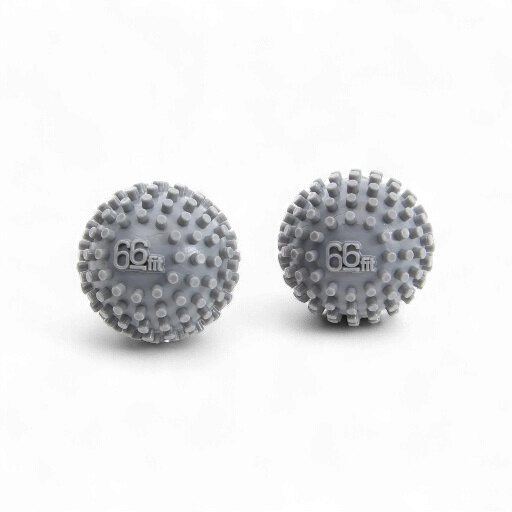
Hand and Foot Massage Balls (2pcs)
Targets the grip fatigue from farmers carry and SkiErg, plus plantar tightness from high running volume. Small enough to keep in your gym bag.
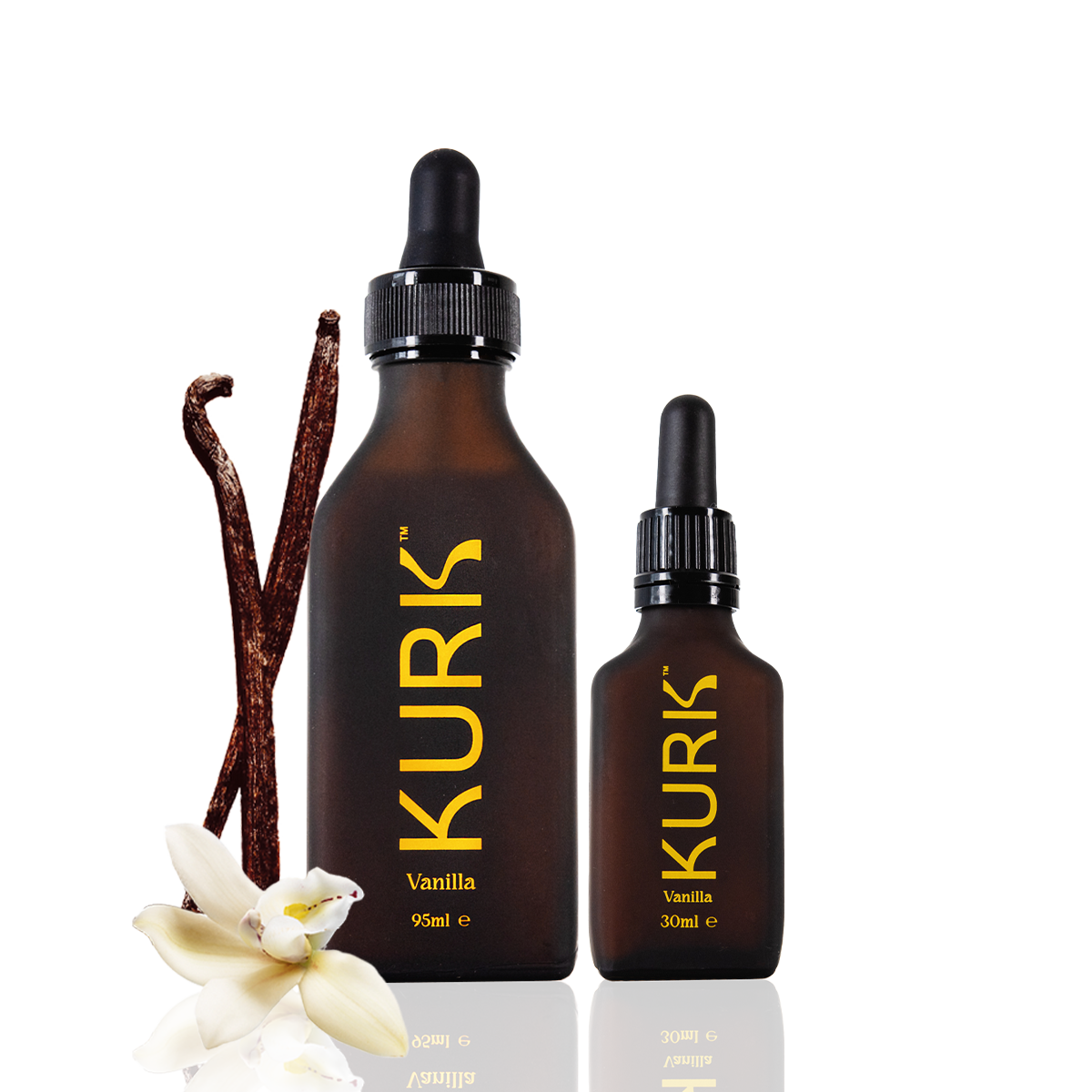
Kurk Liquid Curcumin
Liquid curcumin extract with strong evidence for reducing DOMS after eccentric work like sandbag lunges and wall balls. 1ml in your morning coffee, daily.
.png)
ATP Creapure (Creatine Monohydrate)
Creapure is the gold-standard pharmaceutical-grade creatine. Daily 5g supports phosphocreatine recovery between high-intensity surges — the single most studied supplement for Hyrox-style work.