
How to Recover from Hyrox Sled Push
Sled push hammers your quads, lower back, and calves. The recovery protocol for the most leg-trashing station in Hyrox.
Published 29 April 2026
The sled push is the most leg-trashing station in Hyrox. Fifty metres of 102 kg (Open men) or 76 kg (Open women), sustained near-maximal output, repeated under fatigue. Three minutes of work, 48-72 hours of soreness.
This is a per-station protocol — what to do in the first hour, that night, and over the next two days. Pair it with the Hyrox Recovery Guide for the bigger picture.
The 3-minute flow
Run this right after the station, before you sit down. Four movements, three minutes — taken from the Rox Recovery Playbook.
- Couch stretch — 45s/side. Back foot up on a bench, front knee at 90°. Squeeze the back glute. Don’t dump into the hip.
- Quad foam roll — 30s/side. Slow passes from knee to hip, deeper on vastus medialis. Roll with motion, not stab-and-grind.
- Glute bridge with hold — 10 reps, 3s hold. Full hip extension, ribs down. Re-fires the glutes the lower back was just covering for.
- Cat-cow into child’s pose — 5 cycles. Decompress the lumbar erectors. Long exhale on the round, longer on child’s pose.
Muscles loaded
The sled push is dominantly:
- Quads — primary mover, quadriceps femoris (especially vastus medialis under fatigue)
- Glutes — when technique is dialled in; lost first under fatigue
- Calves — concentric on every step, sustained tension
- Lower back / erectors — bracing role, hammered when hip extension fails
- Hip flexors — secondary, but tight afterwards from the leaning posture
If your lower back is the dominant soreness 24 hours later, that’s a red flag for technique. If it’s mostly your quads and glutes, you pushed it well.
Why the soreness lasts so long
Two factors compound to make sled push soreness particularly persistent:
- Eccentric-style loading at the muscle level. Even though the sled push is dominantly concentric (shortening contractions), the deceleration phase between strides creates eccentric stress on the quads. Eccentric work causes more microscopic muscle damage and longer-lasting DOMS than equivalent concentric work.
- Near-isometric pushing under fatigue. When you can’t accelerate the sled, you’re effectively isometrically grinding — that’s metabolically demanding and depletes phosphocreatine fast. Phosphocreatine availability is exactly what determines recovery between high-intensity surges, which is why creatine supplementation has the strongest evidence base for the kind of work Hyrox demands.
The 24-hour recovery protocol
Hour 0-1
- Walk it off for the first 2-3 minutes. Don’t sit immediately.
- Hydrate with electrolytes — 500-1000 ml water with ~600-800 mg sodium.
- Within 30 minutes, get 25-40 g whey isolate + ~50 g carbohydrate in.
Hour 1-2
- Foam roll quads — 60 seconds each side, slow passes, deeper on the lateral and medial quads.
- Foam roll glutes (use a massage ball if you have one — better than a roller for glute medius).
- Light walk for 5-10 minutes.
That evening
- Switch Sleep+ or magnesium glycinate 200-400 mg, 30-60 minutes before bed.
- Aim for 8-9 hours of sleep. This is non-negotiable for sled-push recovery.
Day 2
- Percussion massage on quads and glutes — 60-90 seconds per muscle group.
- Light walk or easy spin.
- Kurk Liquid Curcumin if you have it; otherwise the daily supplement stack continues.
Day 3
- Re-assess. If quads are still cooked, another light recovery day. If you’re at 80%+, light training is fine.
Products that help (and why)
The sled push recovery stack overlaps heavily with the wall ball and sandbag lunge stacks — same muscles, different mechanics. The five products below cover most of what’s worth spending on.
- 90 cm Foam Roller — full-length quad and lat work, end-to-end. The 90 cm length means you can roll your spine without a partner.
- Flow Move Percussion Massage Device — targeted glute medius and VMO work that a roller can’t reach. The pressure-sensing prevents you from grinding into bone.
- Premax Warm Up Cream EP5 — for the next session. Sodium bicarbonate, magnesium, and caffeine in a topical cream that loosens cold-stiff muscles before warm-up.
- Switch Sleep+ — magnesium glycinate + ashwagandha + zinc. The single most cost-effective evening supplement for any recovery scenario.
- Kurk Liquid Curcumin — 6+ RCTs support curcumin’s effect on DOMS without the training-adaptation downsides of high-dose NSAIDs.
How to train sled push so you recover faster
The fastest recovery is one you don’t need. Two technique cues do most of the work:
- Low chest position. The lower your chest, the better your hip extension drives the push. Standing tall and pushing with your lower back is the single biggest predictor of post-session lower back soreness.
- Full hip extension on every step. Drive the back leg through, get the glute to fire. If your glutes aren’t sore the day after sled push, you weren’t using them.
For accessory work, walking lunges (heavy, slow), Romanian deadlifts, and pause squats all transfer well. Single-leg work matters because the sled push is functionally a single-leg drive on each stride.
The recovery you build over weeks is mostly about technique and glute strength. The recovery you do post-session is mostly about not letting cumulative soreness wreck the next week.
The recovery stack for this station.
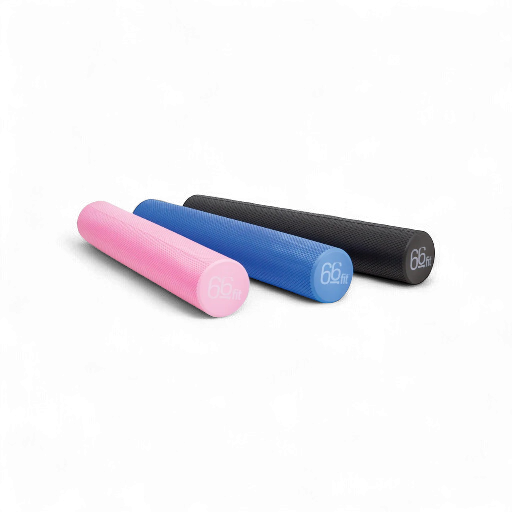
90cm Foam Roller
The full-length workhorse for race-day recovery. Long enough to roll your spine, lats and hamstrings end-to-end after a Hyrox simulation session.
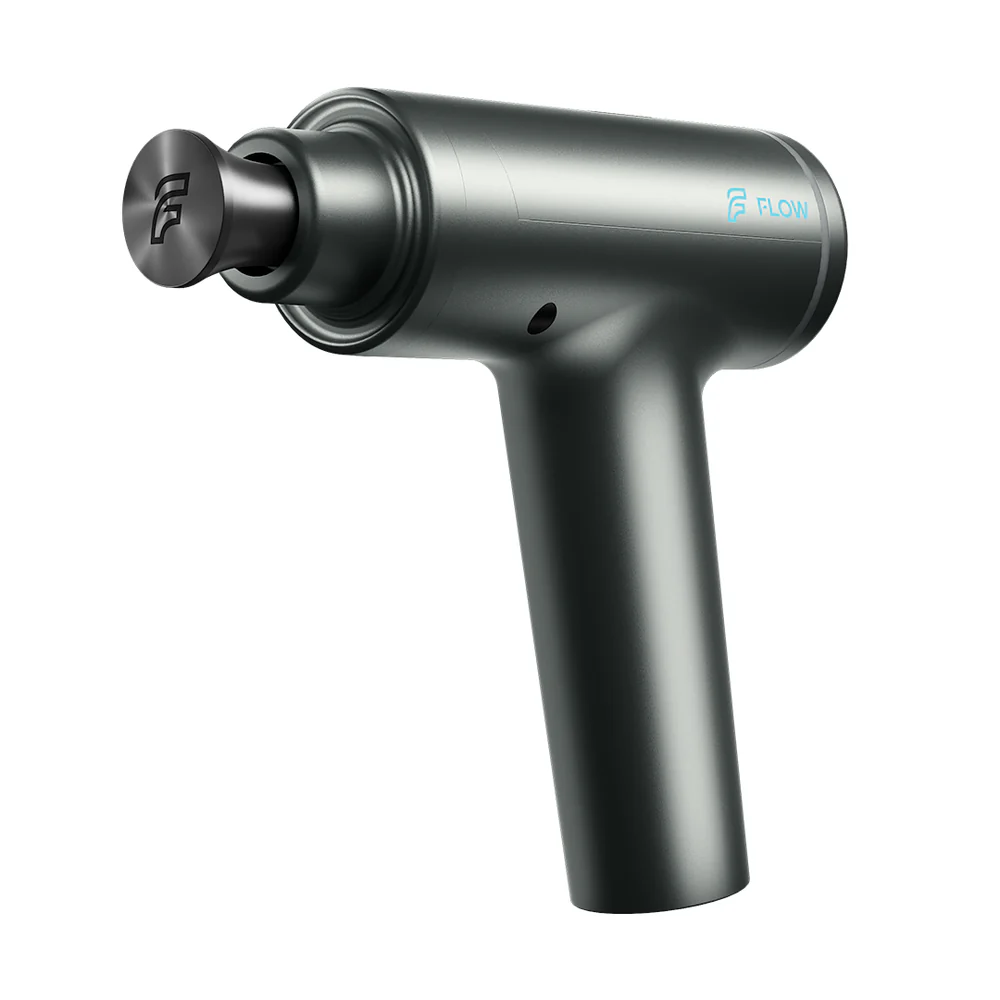
Flow Move Percussion Massage Device
Designed with sports physios for fast post-session recovery — five attachments cover everything from sled-push glutes to wall-ball quads. Pressure sensing prevents over-treatment on tender areas.
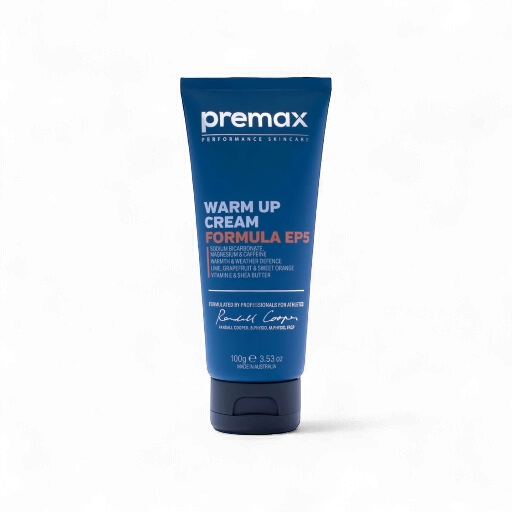
Premax Warm Up Cream EP5
Invigorating heat cream formulated for cold-weather event days — sodium bicarbonate, magnesium and caffeine help loosen muscles before warm-up. Race-week essential for indoor venues with cold floors.
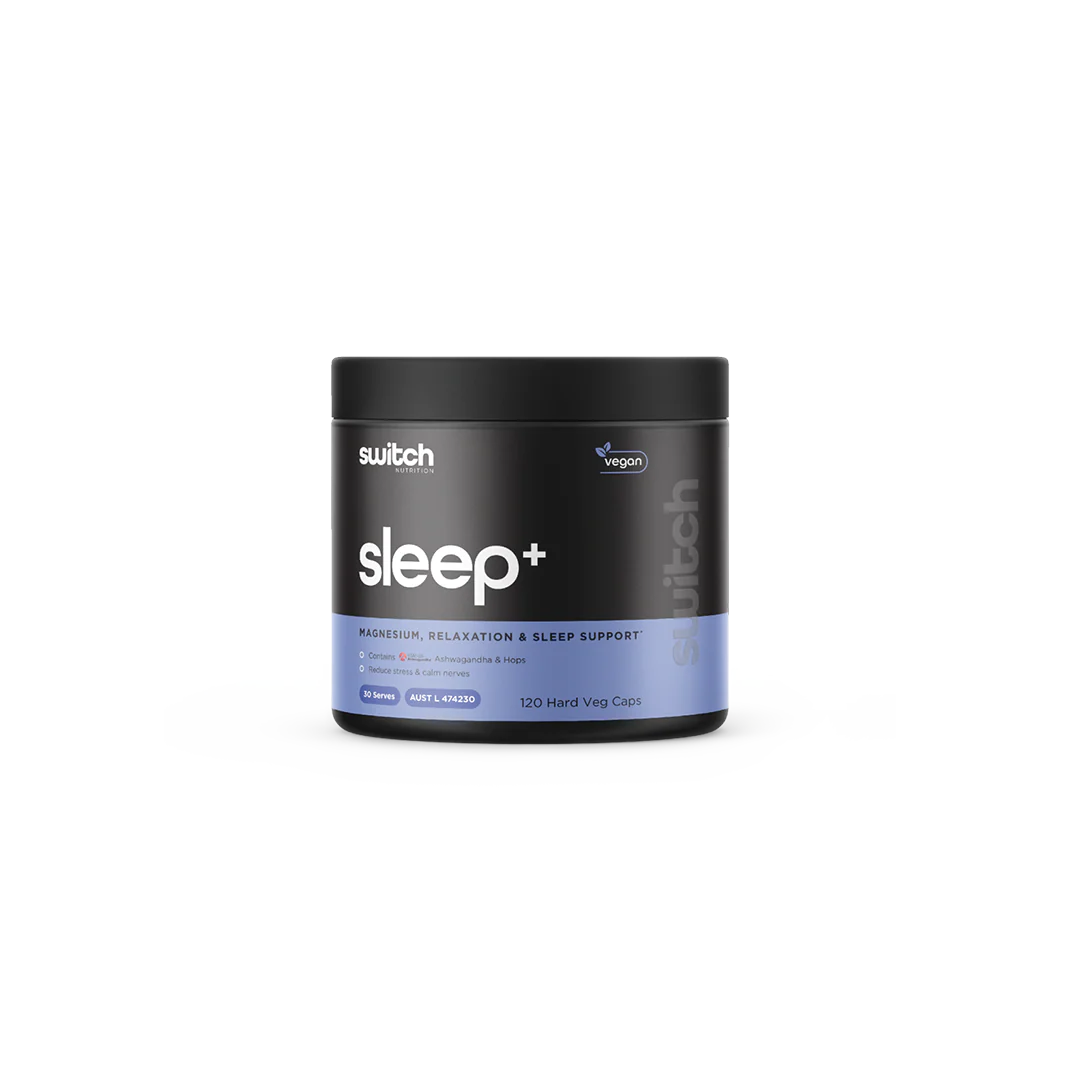
Switch Sleep+ Capsules
Magnesium glycinate, ashwagandha and zinc combined to support deeper sleep — the cheapest performance lever in any Hyrox build. Take 1-2 capsules an hour before bed.
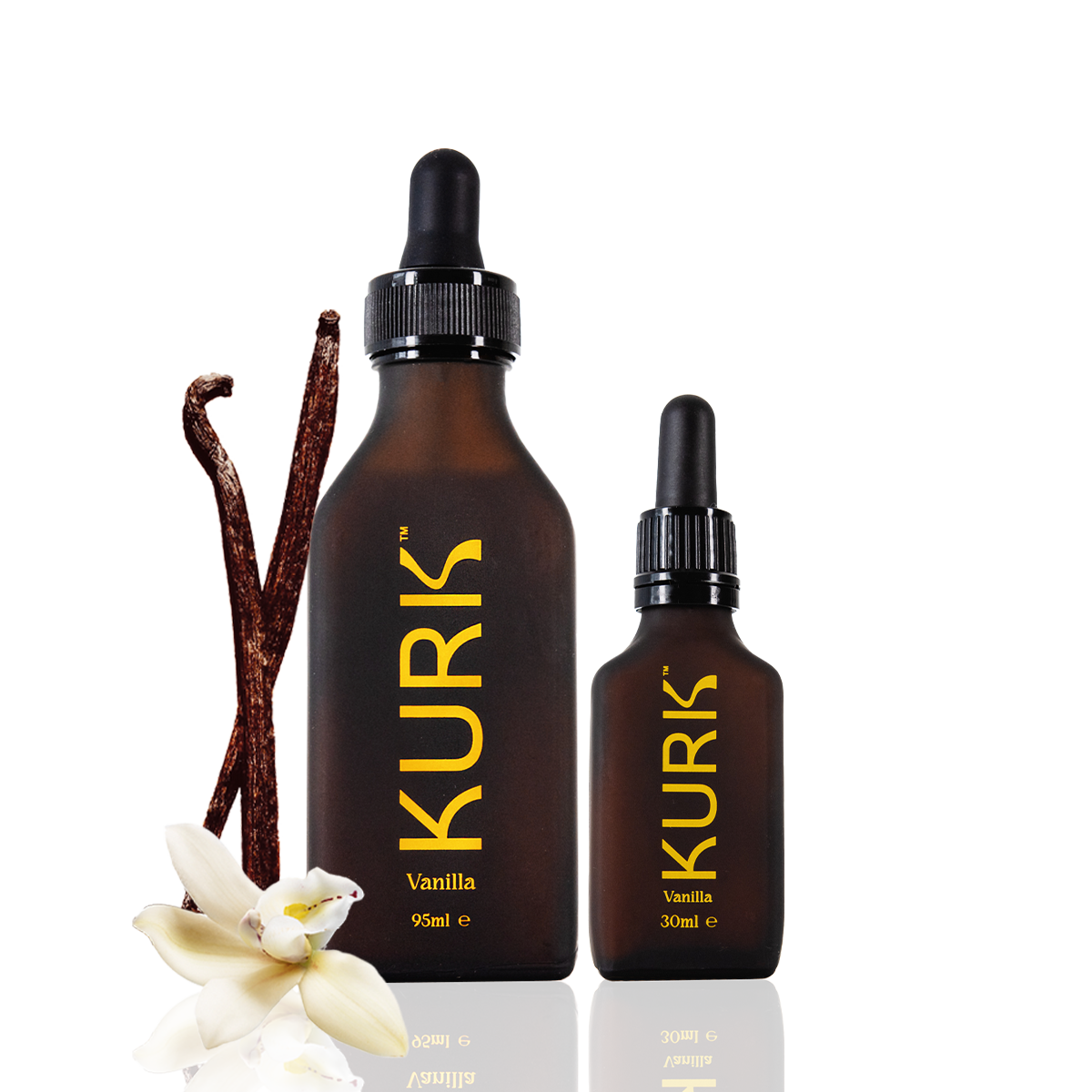
Kurk Liquid Curcumin
Liquid curcumin extract with strong evidence for reducing DOMS after eccentric work like sandbag lunges and wall balls. 1ml in your morning coffee, daily.