
Wall Ball Recovery — Quad Soreness After Hyrox
100 wall balls leaves your quads and shoulders cooked. How to recover faster, with the right products and protocol.
Published 29 April 2026
Wall balls is the eighth and final station — 100 reps at 6 kg (Open men) or 4 kg (Open women), tossed to a target 10 ft (men) or 9 ft (women) above. By the time you reach it, your legs are cooked from sled push, sandbag lunges, rowing, and seven 1 km runs. The wall ball is when good Hyrox finishes go sideways.
Recovery from this one needs to address two things at once: deep-eccentric quad loading, and overhead shoulder-throw fatigue.
The 3-minute flow
Run this right after the station, before you sit down. Four movements, three minutes — taken from the Rox Recovery Playbook.
- Quad foam roll — 30s/side. Slow passes from knee to hip. Wall balls trash the rectus femoris — that’s the one that crosses the hip.
- Cross-body shoulder stretch — 30s/side. Pull the elbow across with the opposite hand. Drop the shoulder down — don’t shrug into it.
- Cat-cow — 5 cycles. Full spinal flow — wall balls compress the t-spine. Two seconds at each end.
- Wall squat hold — 30-45s. Back flat against the wall, thighs parallel. Feels miserable, exits the quads in a parasympathetic state.
Muscles loaded
- Quads — dominant. 100 deep squats, plus 100 deep squats under cumulative race fatigue.
- Shoulders — anterior deltoid and rotator cuff doing the catch-and-throw.
- Hip flexors — closing the squat and absorbing the catch.
- Calves — drive phase from the bottom of the squat.
- Core — bracing the catch under load.
The shoulder fatigue catches most athletes off guard. By rep 60-70 the throw motion gets sloppy and the rotator cuff starts working overtime to save the catch. That’s where shoulder soreness compounds.
Why wall ball soreness is worse than it should be
The depth of the squat under load creates significant eccentric stress on the quads — and eccentric loading is the main driver of microscopic muscle damage and DOMS. The 2019 foam rolling meta-analysis (Wiewelhove et al, PMID 31024339) confirms that the post-eccentric DOMS pattern is exactly what foam rolling has the most consistent (if modest) effect on.
The shoulder side is a different story. Repetitive overhead work in fatigue — especially in the 60-120° elevation arc — is the textbook setup for shoulder impingement, which sports-medicine clinicians have flagged repeatedly in early Hyrox injury data. If your shoulder pain is sharp, persistent, and worse with overhead reaching, see a physio. If it’s general fatigue and tightness, keep reading.
The 24-hour recovery protocol
Hour 0-1
- Walk it off. Don’t sit immediately or your quads will lock up.
- Hydrate aggressively — sodium-forward electrolytes (500-1000 ml).
- Inside 30 minutes: 25-40 g whey isolate plus ~50 g carbs.
Hour 1-2
- Foam roll quads — 90 seconds each side, deeper on VMO and lateral quads. Both go.
- Massage balls under glutes and around the rotator-cuff insertion (back of shoulder).
- Light upper-body mobility — band pull-aparts, doorway pec stretch, gentle thoracic rotation.
That evening
- KURK Sport Recovery + Hydration — the curcumin + electrolyte combo earns its place here. Curcumin specifically targets the DOMS pathway eccentric work activates.
- Switch Sleep+ before bed.
- Aim for 9 hours.
Day 2
- Percussion massage on quads (lateral and medial), glutes, lats, and posterior delts.
- Easy walk or light spin — get blood through the muscles without adding load.
- Consider Kurk Liquid Curcumin daily for the first 3 days post-race.
Day 3-4
- Quads usually still tender on day 3 after a hard wall ball set. That’s normal.
- Resume training cautiously — no heavy squats or wall ball volume until day 5+.
Products that help
- 90 cm Foam Roller — quad rolling end-to-end is what closes the day-2 soreness gap fastest.
- Flow Move Percussion Massage Device — best tool for the deltoids and traps post-wall-ball.
- Hand and Foot Massage Balls — small enough to dig into the rotator cuff insertion at the back of the shoulder. Foam rollers can’t reach this.
- Kurk Liquid Curcumin — 1 ml daily, ideally starting 3-4 days before race week and continuing through to day 4 post-race.
- KURK Sport Recovery + Hydration — combines curcumin with electrolytes; the post-wall-ball dehydration and inflammation in one stick.
Pacing and recovery — they’re the same skill
Wall balls is a pacing problem, not a strength problem. Most age-group athletes don’t fail because they’re weak; they fail because they go out at 50 reps unbroken and crash at rep 60. The athletes who finish strongest break early — sets of 25-15-15-15-15-15 with brief 5-second resets — and end up faster overall.
That same logic applies to recovery. The athletes who recover fastest aren’t the ones doing the most rolling and percussion work; they’re the ones who slept 9 hours, ate enough protein, and didn’t try to train through a soreness signal that should have been a rest day. Manage the inputs, the rest takes care of itself.
The recovery stack for this station.
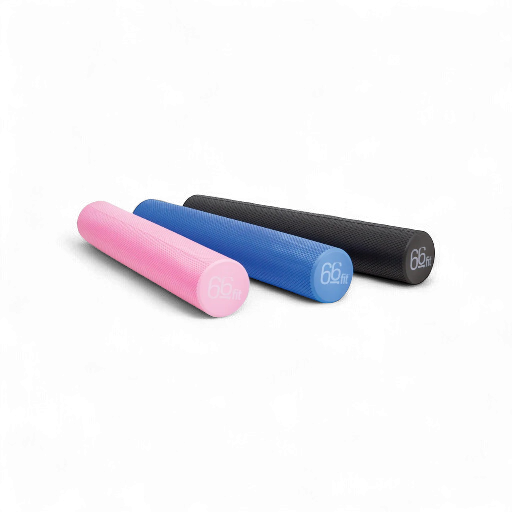
90cm Foam Roller
The full-length workhorse for race-day recovery. Long enough to roll your spine, lats and hamstrings end-to-end after a Hyrox simulation session.
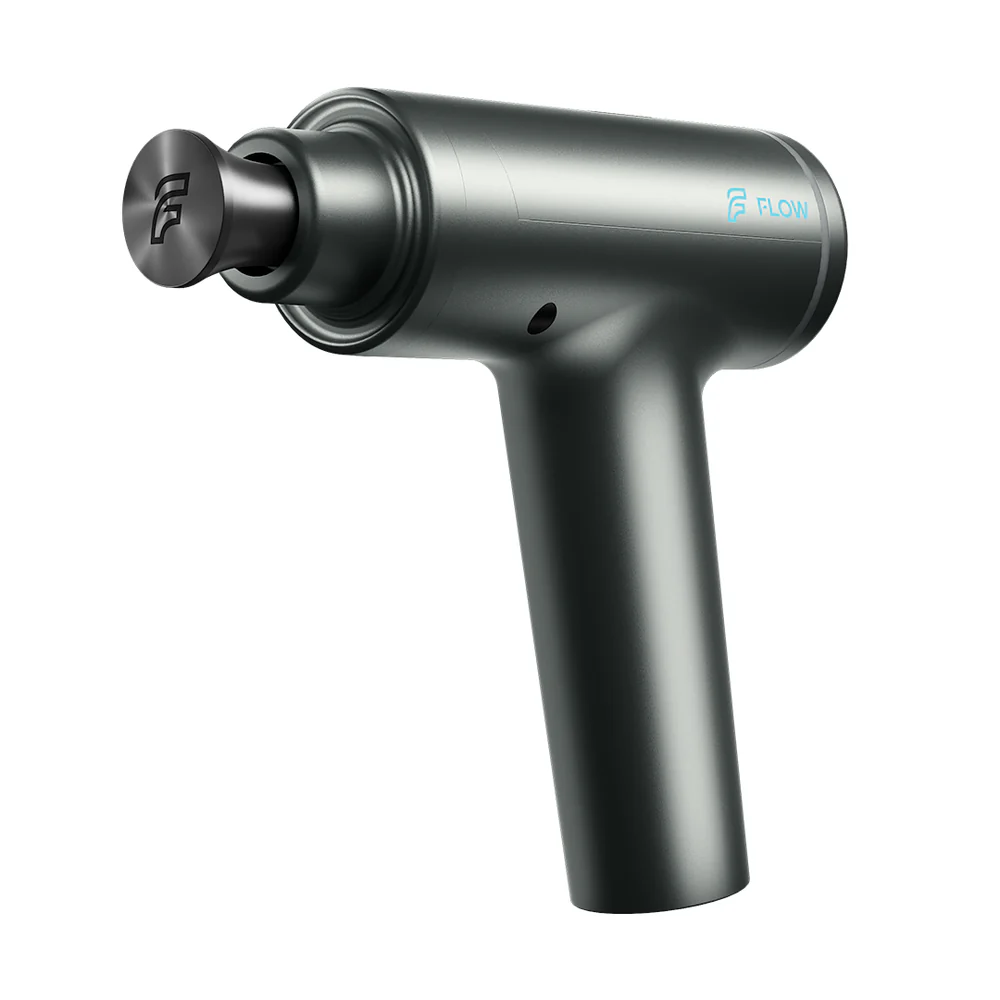
Flow Move Percussion Massage Device
Designed with sports physios for fast post-session recovery — five attachments cover everything from sled-push glutes to wall-ball quads. Pressure sensing prevents over-treatment on tender areas.
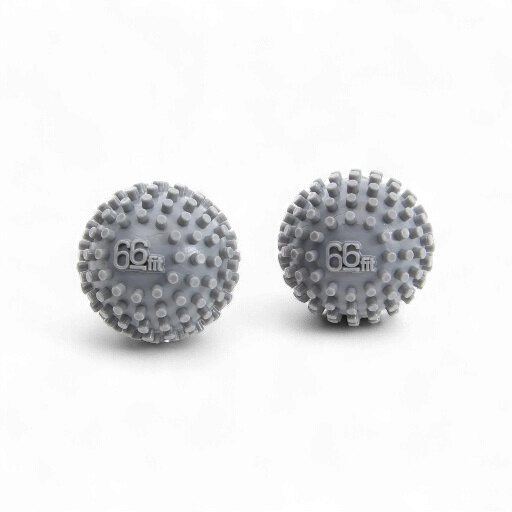
Hand and Foot Massage Balls (2pcs)
Targets the grip fatigue from farmers carry and SkiErg, plus plantar tightness from high running volume. Small enough to keep in your gym bag.
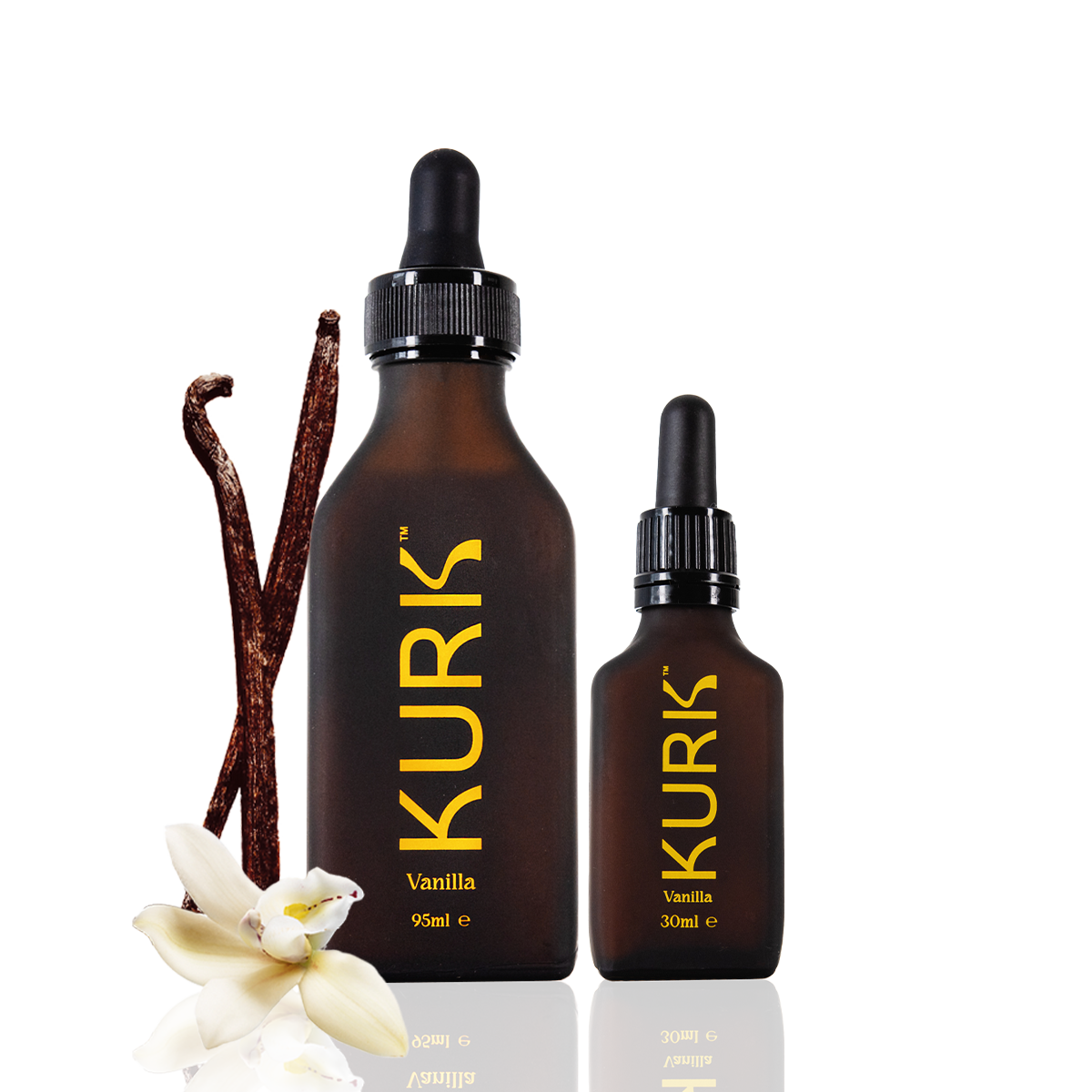
Kurk Liquid Curcumin
Liquid curcumin extract with strong evidence for reducing DOMS after eccentric work like sandbag lunges and wall balls. 1ml in your morning coffee, daily.
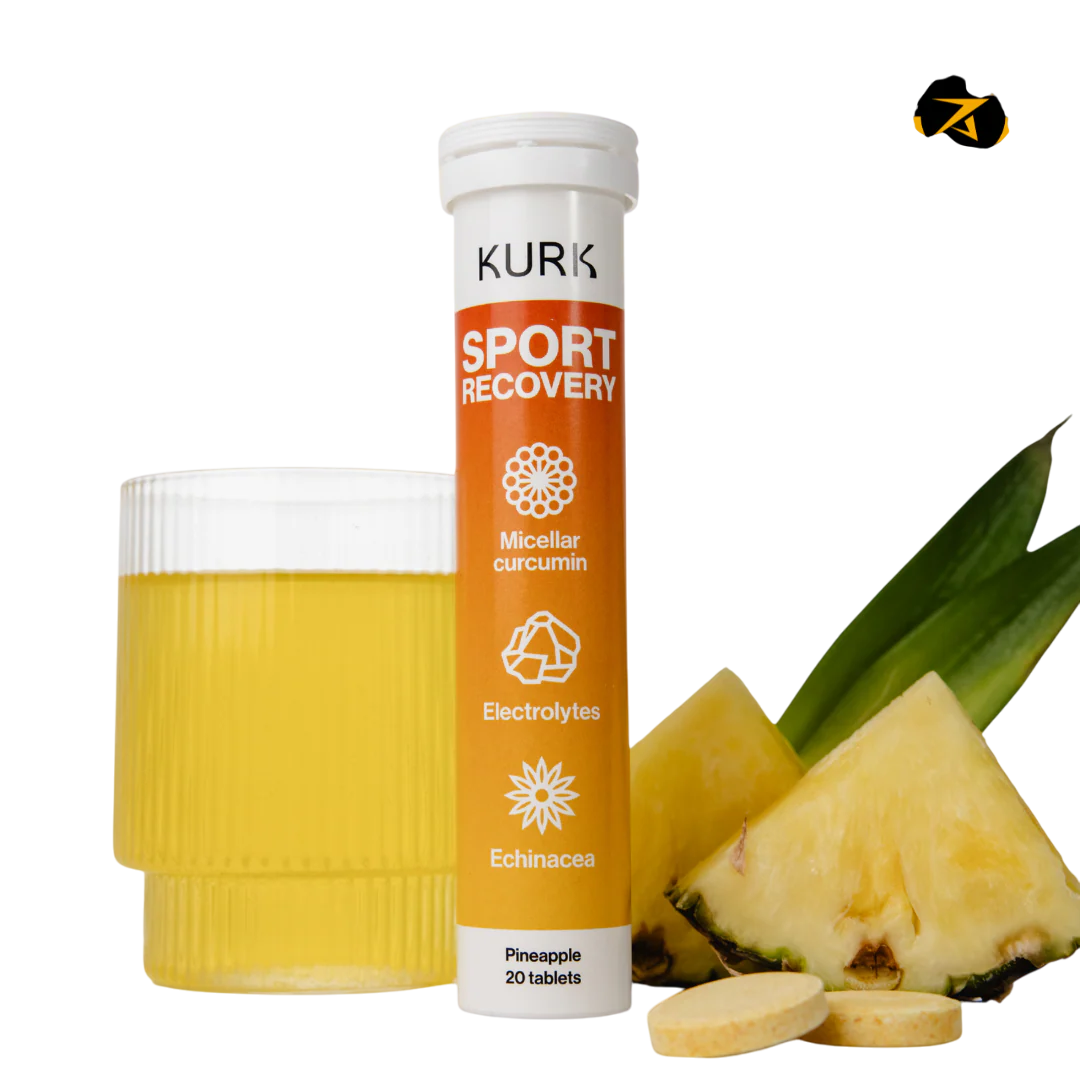
KURK Sport Recovery + Hydration
Combines micellar curcumin (anti-inflammatory) with electrolytes and echinacea — covers race-day hydration and post-race muscle recovery in one stick. Doctor-formulated, athlete-tested.