
How to Reduce DOMS After Hyrox
The four-product anti-inflammatory stack and 72-hour protocol that actually shifts post-race muscle soreness — and the common mistakes that prolong it.
Published 1 May 2026
DOMS — delayed onset muscle soreness — is the cost of doing eccentric work under load. Hyrox produces a lot of it: wall balls, sandbag lunges, sled push, and sled pull all hammer the eccentric phase of major muscle groups, and the cumulative effect of 8 stations stacks soreness across the whole posterior chain plus quads.
This article covers what DOMS actually is, why Hyrox in particular produces persistent soreness, the four-product stack with the strongest evidence base for reducing it, and the 72-hour protocol that gets you training again. Pair with the Hyrox Recovery Guide for the bigger picture and the post-race recovery protocol for race-week specifics.
What DOMS actually is
DOMS is the muscle soreness that peaks 24-72 hours after unfamiliar or eccentric-heavy exercise. It is not lactic acid (lactate clears within 60 minutes). It is microscopic damage to the muscle fibres — specifically to the Z-disc structures that hold the contractile units together — caused by lengthening contractions under load.
The typical timeline:
- Hours 0-12: mild stiffness, manageable
- Hours 12-48: soreness peaks, range of motion is reduced, jumping or sprinting feels heavy
- Hours 48-96: progressive clearance, training tolerance returns
- Day 5-7: baseline restored for most muscle groups; the lower back and hip flexors can lag
The inflammation cascade that follows microdamage is part of how the muscle rebuilds stronger — which is why blunting it aggressively (with high-dose NSAIDs daily) reduces both the soreness and the adaptation. The goal of a DOMS protocol isn’t to eliminate inflammation — it’s to keep it within a useful range, support recovery, and get you back to training without compounding the damage.
Why Hyrox produces persistent DOMS
Three features of a Hyrox race compound to produce the kind of soreness most athletes feel for 4-7 days afterwards:
- Eccentric-heavy stations. Wall balls (catching the ball — eccentric quad and hip), sandbag lunges (lowering under load — eccentric quad and glute), sled push (deceleration phase between strides — eccentric quad and calf), and the run intervals themselves (every foot strike is an eccentric calf and quad contraction over 8 km). Eccentric work causes more Z-disc disruption than concentric work, and Hyrox is loaded with it.
- Cumulative muscle group overlap. SkiErg, sled pull, farmers carry, and rowing all hammer the lats and grip in the same race. By the time you finish, the same muscle groups have been re-loaded multiple times — much more cumulative micro-damage than a single training session of any one of those movements.
- Sustained moderate intensity for 60-110 minutes. Hyrox isn’t an all-out sprint and isn’t a steady aerobic effort — it’s threshold-zone work for over an hour. That metabolic load slows the recovery substrate replenishment (glycogen, creatine phosphate) that’s needed to clear damage in the first 24-48 hours.
The practical implication: race-day DOMS is nearly inevitable. The protocol below isn’t about preventing it. It’s about cutting peak severity and shortening the tail.
The four-product anti-inflammatory stack
These are the four products with the strongest published evidence for reducing eccentric-induced muscle soreness without compromising training adaptation. Each has been studied at doses comparable to what’s in the daily stack.
Curcumin (1 ml liquid extract daily)
Curcumin — the active polyphenol in turmeric — has multiple randomised trials showing reduced DOMS markers and reduced perceived soreness after eccentric exercise. The Drobnic et al. 2014 trial used a 200 mg phytosome formulation (Meriva) and found significant reductions in post-exercise pain at 24 and 48 hours. The mechanism is anti-inflammatory at the COX-2 and NF-κB level, but unlike NSAIDs, the effect appears to support rather than blunt muscle adaptation.
Liquid curcumin formulations (like KURK’s) bypass the absorption problem with raw turmeric — most plain curcumin powder isn’t bioavailable enough to do anything at typical doses.
Omega-3 (EPA/DHA, 2-3 g daily)
High-strength fish oil — pharmaceutical-grade EPA/DHA — modulates the inflammatory response post-exercise and supports membrane integrity in muscle and nervous tissue. Effects are most pronounced when taken consistently for 4-8 weeks, not as a race-week add-on. Build the habit during prep block.
For Hyrox in particular, omega-3 also helps with the joint and tendon load that builds up across heavy farmers carry and SkiErg sessions.
KURK Sport Recovery + Hydration (one stick post-race or post-session)
Combines micellar curcumin with electrolytes — covers the immediate post-exercise window when you want both rapid rehydration and an anti-inflammatory effect from the same product. Particularly useful in the 0-30 minute window when you can’t stomach a full meal but need to start the recovery cascade.
Switch Sleep+ (1-2 capsules, 1 hour before bed)
Magnesium glycinate, ashwagandha, and zinc. Sleep is the cheapest performance lever in any Hyrox build, and it’s the lever DOMS most disrupts (sore muscles wake you more often). Magnesium glycinate at 200-400 mg is the dose with the best evidence for sleep onset and muscle relaxation.
This isn’t a direct anti-inflammatory — it works upstream. Better sleep = faster glycogen replenishment, faster microdamage clearance, lower cortisol the next day.
The 72-hour protocol
Hour 0-1 (post-race or post-session)
- Walk it off — don’t sit immediately
- Electrolytes + carbs (a KURK Sport stick covers both)
- Within 30 minutes: 25-40 g whey isolate + ~50 g carbs
- Don’t take an NSAID dose unless you’ve tested it in training
Hour 1-6
- Real meal: high-carb, moderate protein, low-fat (your stomach is still under sympathetic load — keep digestion easy)
- Daily omega-3 with the meal
- Foam roll the worst-affected muscles, 60 seconds each, slow passes — quads, glutes, lats
That night
- Switch Sleep+ 60 minutes before bed
- Aim for 9 hours
- Avoid alcohol — it impairs glycogen replenishment, REM sleep, and protein synthesis
Day 1 (24 hours)
- This is when soreness peaks for most people
- Light walking, 20-30 minutes — keeps blood flowing without re-loading damaged tissue
- Continue daily curcumin (KURK Liquid) and omega-3
- Percussion massage on the worst-affected muscle groups, 60-90 seconds each
Day 2
- Light cardio is fine: easy bike, easy swim, walking
- Continue the daily stack
- Light foam rolling
Day 3
- Re-assess. If you’re at 70%+, light training is fine
- Start with low-eccentric movements: cycling, swimming, sled push at 50% race weight
- Avoid heavy lunging, jumping, or downhill running for one more day
What NOT to do
- Don’t take routine NSAIDs (ibuprofen, naproxen, aspirin) post-training. Mikkelsen et al. (2009) and follow-up work shows that local NSAID exposure inhibits satellite cell proliferation — the cells that drive muscle repair and adaptation. Save NSAIDs for genuine pain that’s affecting your daily function, not for managing normal post-training soreness.
- Don’t skip the protein window. The 0-60 minute post-exercise window matters most when you’ve gone to genuine fatigue. Whey isolate within 30 minutes is the cleanest way to start protein synthesis.
- Don’t ice everything routinely. Cold immersion blunts hypertrophy and strength adaptation when used after every session. Reserve cold therapy for race week, post-race, or genuinely beat-up sessions.
- Don’t train through significant soreness on day 1. Light movement, yes. Heavy training, no. The microdamage-repair cycle is mostly complete by day 3 — pushing on day 1 just extends the cycle.
- Don’t introduce new supplements race-week. Curcumin, omega-3, and the rest of the stack should be familiar by then. Race week is the worst possible time to test something new.
How creatine fits in
Creatine isn’t an anti-inflammatory, but it’s worth mentioning here because it’s the single most-evidenced supplement for the kind of work Hyrox demands. Forbes et al. (2023) summarises the case: creatine supports phosphocreatine availability between high-intensity intervals, and there’s growing evidence it also reduces muscle damage markers post-eccentric exercise. 5 g daily, taken with the rest of your stack — race week or otherwise.
How this stack ties to the rest of the recovery system
Anti-inflammatory supplements are one layer. The other layers — sleep, foam rolling, percussion massage, food, and progressive return to training — do most of the heavy lifting. The four-product stack reduces the felt severity and shortens the tail; the protocol gets you back to training without compounding damage. Together, you’re looking at a 30-40% reduction in DOMS duration compared to doing nothing. That’s the difference between a wasted week and a productive one.
Race-week specifics — the four-day window around your start time — live on the Hyrox Sydney 2026 page. The post-race 48-hour protocol is detailed here.
The stack that supports this protocol.
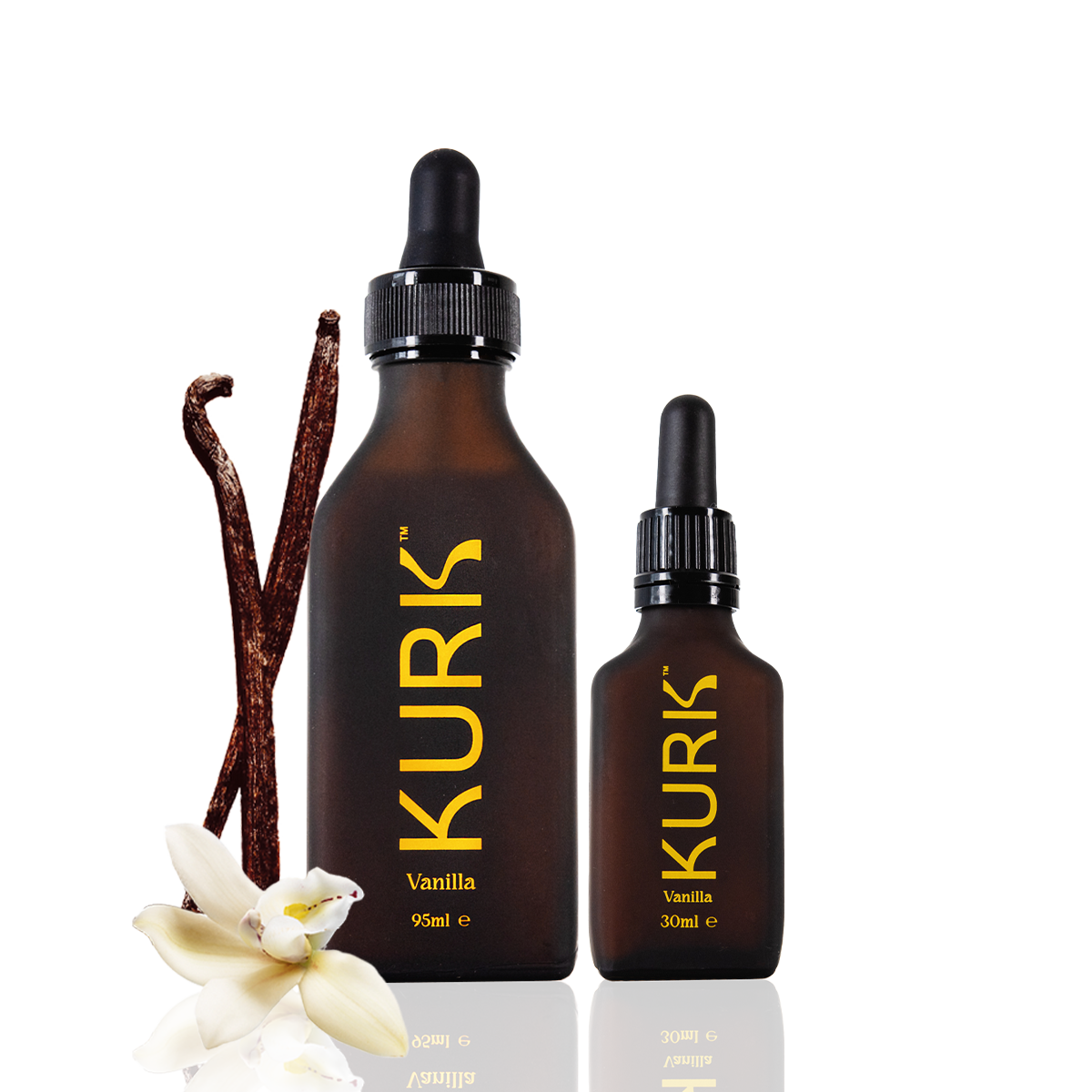
Kurk Liquid Curcumin
Liquid curcumin extract with strong evidence for reducing DOMS after eccentric work like sandbag lunges and wall balls. 1ml in your morning coffee, daily.
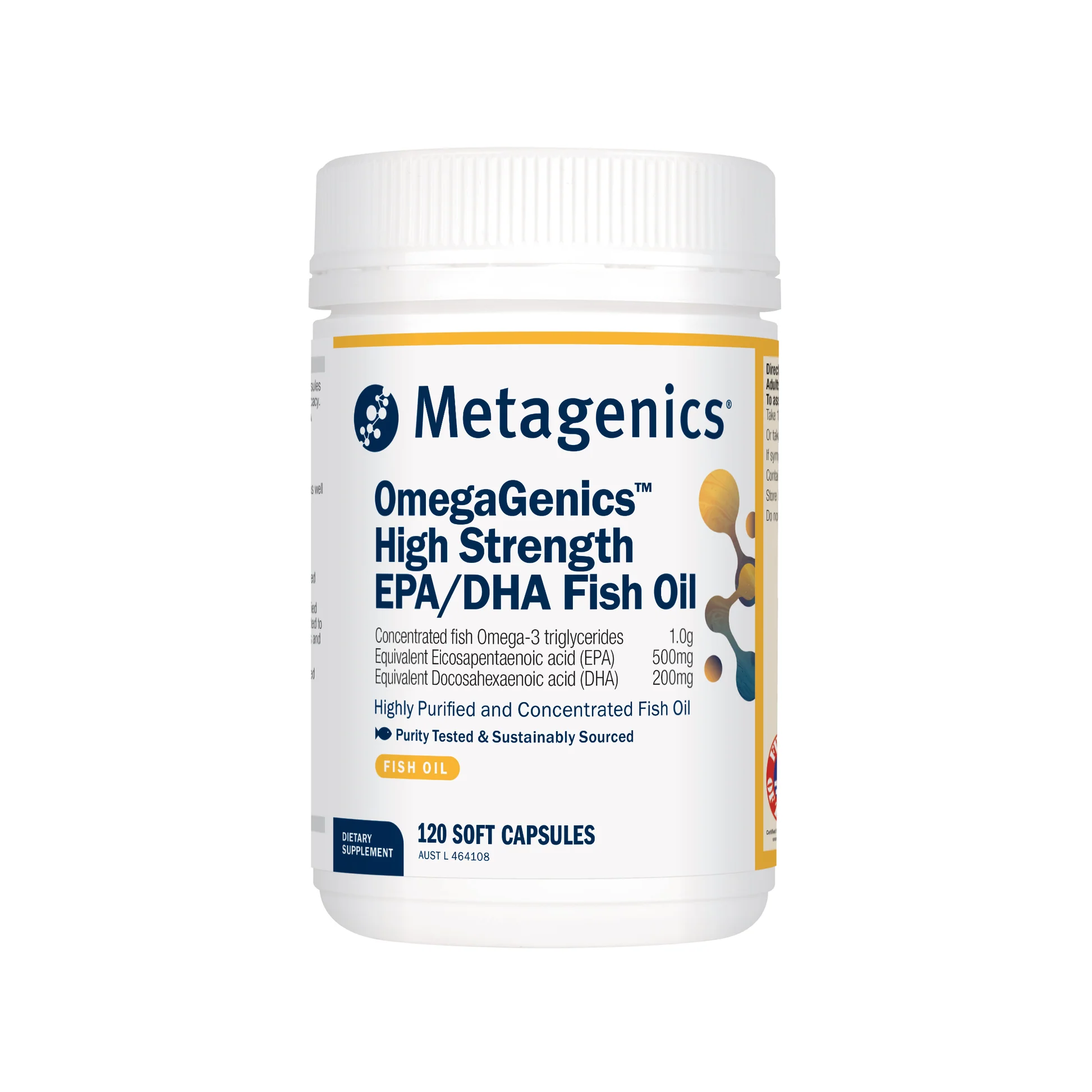
Metagenics OmegaGenics Fish Oil
High-strength EPA/DHA — modulates post-exercise inflammation and supports nervous system recovery during heavy training blocks. Pharmaceutical-grade purity.
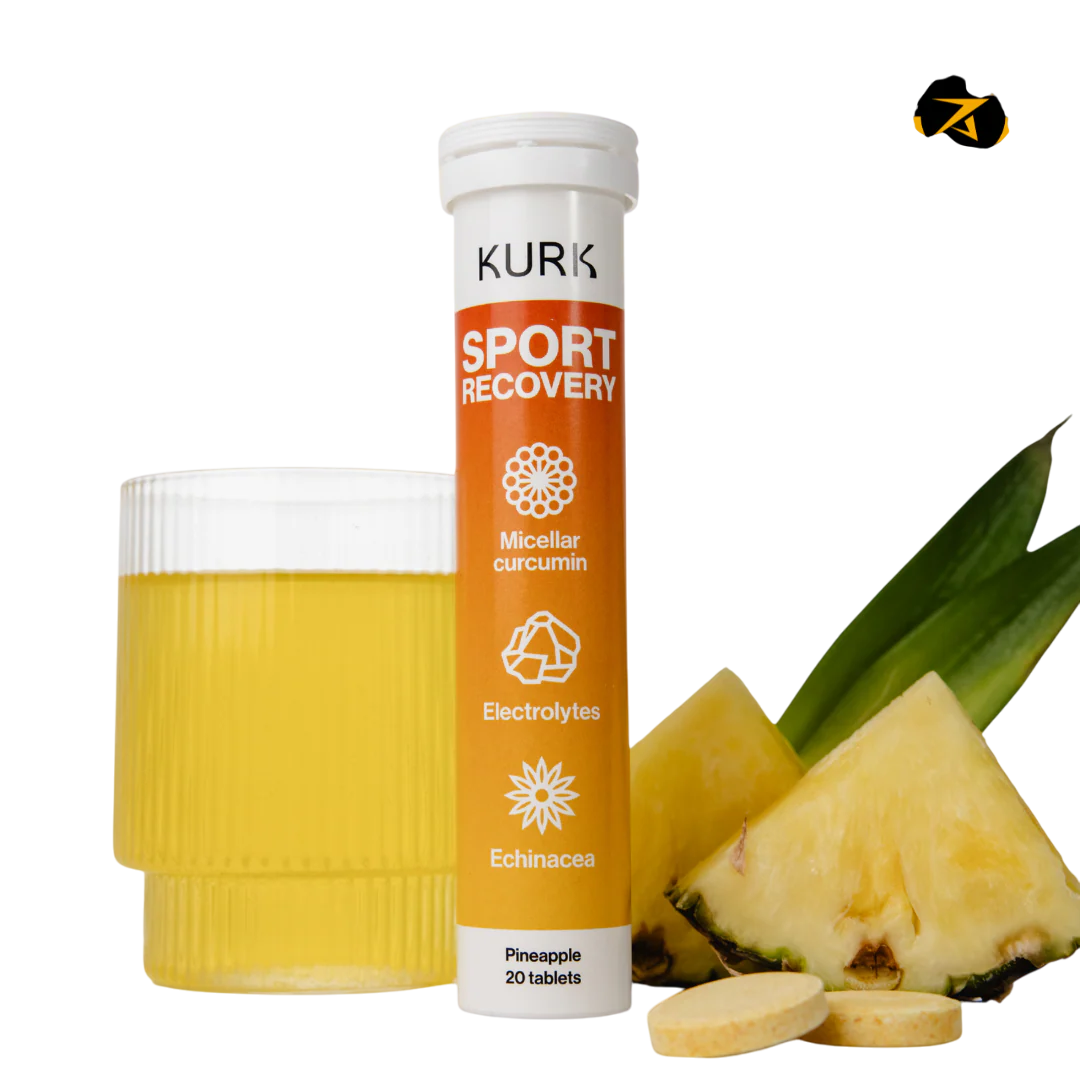
KURK Sport Recovery + Hydration
Combines micellar curcumin (anti-inflammatory) with electrolytes and echinacea — covers race-day hydration and post-race muscle recovery in one stick. Doctor-formulated, athlete-tested.
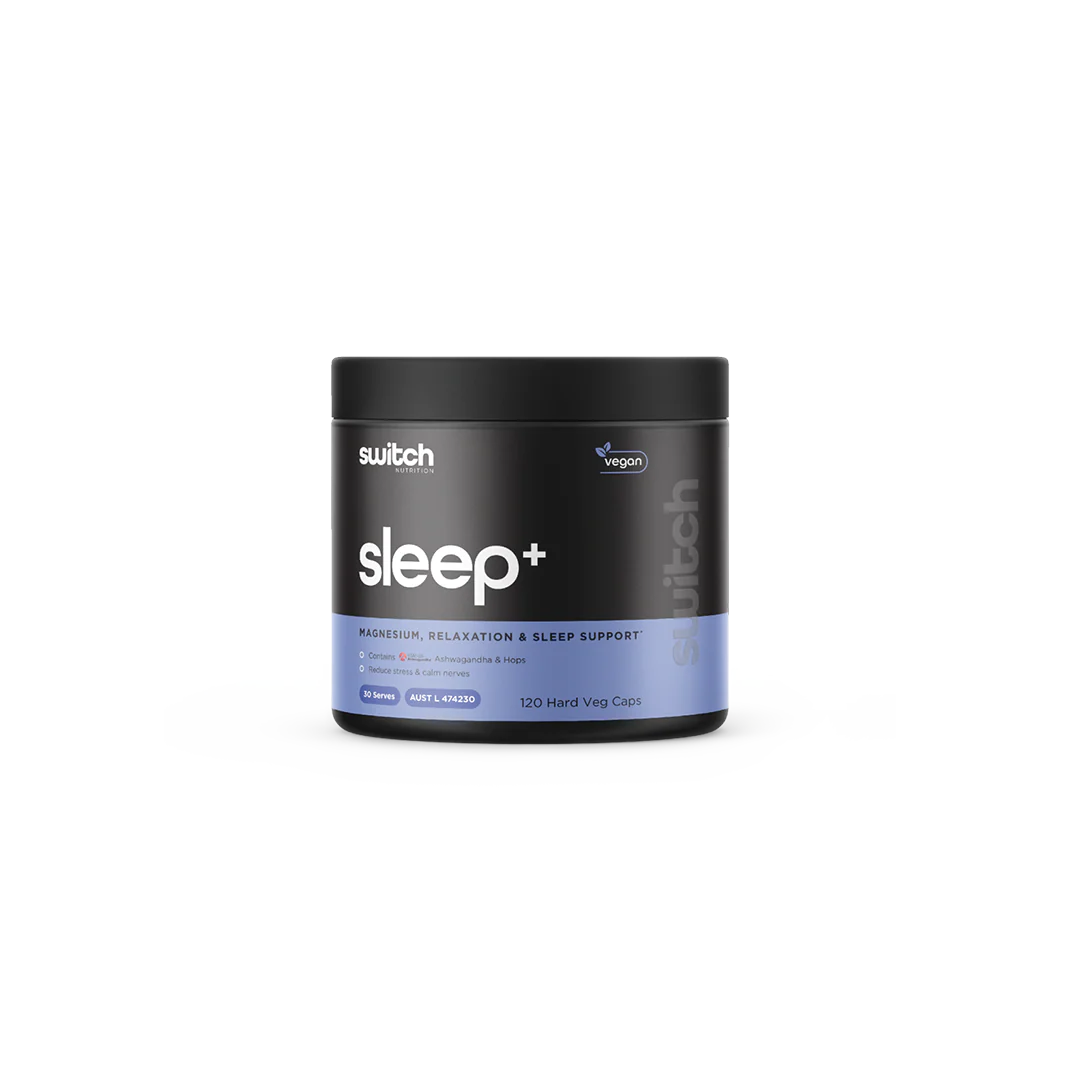
Switch Sleep+ Capsules
Magnesium glycinate, ashwagandha and zinc combined to support deeper sleep — the cheapest performance lever in any Hyrox build. Take 1-2 capsules an hour before bed.
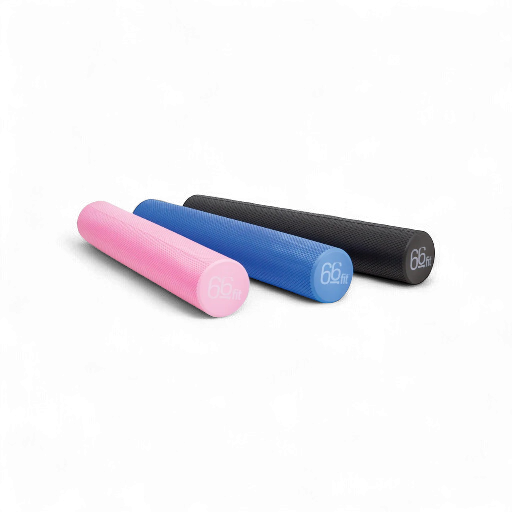
90cm Foam Roller
The full-length workhorse for race-day recovery. Long enough to roll your spine, lats and hamstrings end-to-end after a Hyrox simulation session.
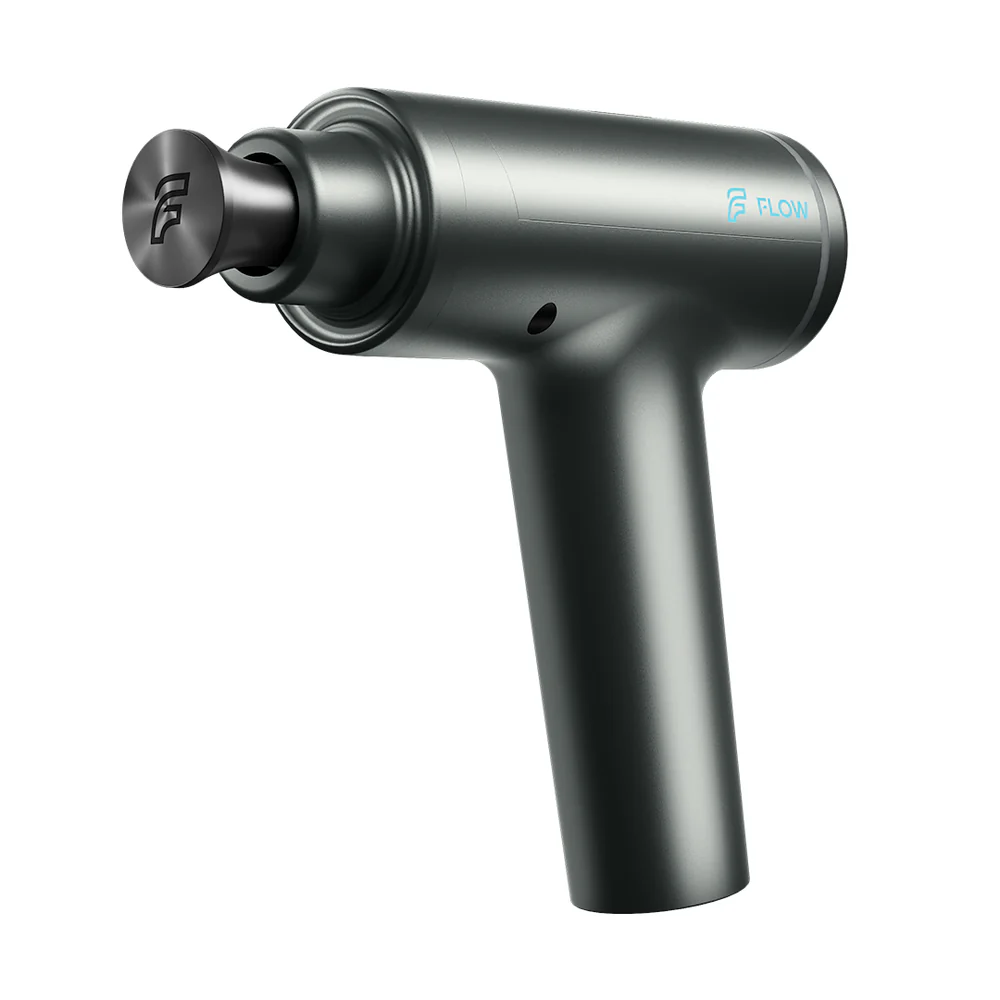
Flow Move Percussion Massage Device
Designed with sports physios for fast post-session recovery — five attachments cover everything from sled-push glutes to wall-ball quads. Pressure sensing prevents over-treatment on tender areas.