
Hyrox Post-Race Recovery — The First 48 Hours
From the finish line to the start of next week's training. The hour-by-hour protocol that turns a hard race into a productive next training block — and the mistakes that turn it into a wasted week.
Published 1 May 2026
The first 48 hours after a Hyrox race decide whether the next training block starts on time or starts late. Most athletes either underestimate the recovery cost (and try to train too soon) or overestimate it (and waste a productive week sitting on the couch). The protocol below is what the evidence supports and what most well-prepared athletes do — hour-by-hour from the finish line to the morning of day 3.
This is the post-race counterpart to the race-day fuelling protocol. For race week itself see the taper article and the Hyrox Sydney 2026 race-week page.
Why post-race recovery matters more than most people think
Three reasons most people get the post-race window wrong:
- The damage is real. A Hyrox race produces 60-110 minutes of threshold-zone work, eight stations of strength load, and 8 km of running. Cumulative microdamage across the major muscle groups is greater than a single training session of any of those movements alone. The DOMS profile is broader and lasts longer than people expect.
- Adrenaline masks the cost on the day. You feel less wrecked at the finish than you actually are. By 4-6 hours post-race, when adrenaline has cleared, the actual fatigue surfaces — and most athletes are by then either sitting in a car or already in bed without having eaten properly.
- The 0-30 minute nutrition window is genuinely tight. The Beelen 2010 review and the broader post-exercise nutrition literature support an early protein and carb intake to start glycogen replenishment and protein synthesis. The window is wider than once thought, but for genuinely fatiguing efforts (which Hyrox forces), earlier is still better.
Hour-by-hour: the first hour
0-15 minutes (the finish chute)
- Walk it off. Don’t sit immediately. Two to three minutes of slow walking helps blood pool back from the legs and prevents the dizzy/cramp combo that hits some athletes at the finish.
- Sip electrolytes — sodium-forward is fine here. MTHFR Electrolytes or a KURK Sport stick covers it.
- Find your gear bag. Get to it within 10 minutes. The race-week stack you packed (see the kit list) is now actively useful.
- Don’t immediately drink alcohol — the post-race champagne photo is fine for the photo, but actually drinking it on an empty stomach with a hot cardiovascular system is a fast track to dehydration and a bad next day.
15-30 minutes (the protein window opens)
- 25-40 g whey isolate + 50-80 g carbs. The fastest combo: Switch WPI mixed with water in a shaker (carry the powder in your gear bag), plus a Chief Collagen Bar or banana for carbs. If you can’t stomach a shake, a KURK Sport stick + a banana works.
- Continue walking. Slow, easy. No standing in one spot for long.
- If your legs are heavily cramped, a small dose of additional sodium plus continued movement clears it faster than sitting still.
30-60 minutes (out of kit)
- Real meal opportunity if you can stomach it. Many athletes can’t immediately — that’s fine. Sips of carbs + electrolytes are enough for now. Defer the real meal to the 1-2 hour mark.
- Shower, change, dry warm clothes. You’ve been running cold (sweat-soaked indoor venue), and body temperature regulation is impaired post-event. Get warm.
- Light walk — 5-10 minutes. Active recovery beats passive immediately post-race.
Hours 1-6 (the rest of race day)
Hour 1-2
- Real meal. Mid-glycemic carbs + lean protein + a little salt. Examples: rice and chicken, pasta with tomato sauce and grilled fish, sushi (rice + protein + salt — almost ideal). Avoid heavy fat at this meal — your sympathetic load is still elevated, and fat will sit heavy.
- Light foam rolling — 60 seconds per major muscle group, slow passes. Quads, glutes, lats, lower back. Wiewelhove et al. (2019) supports a small-to-moderate effect of foam rolling on perceived soreness and short-term performance recovery; the post-race window is exactly when that effect is most useful.
Hour 2-4
- Continue walking — easy, frequent, short. 10-15 minutes every couple of hours beats one long walk.
- Hydrate — water plus a second electrolyte serve if you’ve been sweating heavily. Pale yellow urine target.
- Avoid alcohol until at least dinner, and ideally until tomorrow. A celebratory drink at dinner is fine if you’re hydrated; a heavy session is the most expensive 24 hours of post-race recovery.
- Don’t nap longer than 30-45 minutes — short power naps are fine, but a 2-hour afternoon sleep wrecks the night sleep, which matters more.
Hour 4-6 (early evening)
- Second proper meal. Carb-heavy again. Add some vegetables — fibre is fine now, sympathetic load has dropped.
- Curcumin + omega-3 with the meal. The race-week stack continues; both have evidence for reducing the inflammation cascade post-eccentric exercise without blunting adaptation. Kurk Liquid Curcumin at 1 ml is the most bioavailable option.
- Bedtime supplement: Switch Sleep+ — magnesium glycinate, ashwagandha, zinc — 1-2 capsules an hour before bed.
Race night
This is the most important sleep of the recovery cycle. Mah et al. (2011) demonstrated meaningful athletic recovery effects from sustained sleep extension; the night after a race is when that bank cashes in.
- Bed 30-60 minutes earlier than your normal time. Don’t try for “as long as possible” — too long in bed without falling asleep just produces frustration. Add to the front, not the back.
- 9 hours minimum. Set the alarm for 9 hours from when you expect to fall asleep, not from when you got into bed.
- Cool, dark, quiet. Standard sleep hygiene matters more on race night than usual.
- No alcohol after 7 PM — alcohol cuts REM sleep heavily even at moderate doses. The next day’s grogginess is worse than the soreness alone.
- Sleep+ Nasal Strips if you’re in a hotel — open airways, less mouth-breathing, deeper sleep.
Day 1 (24 hours post-race)
This is when the soreness peaks. Adrenaline is fully cleared; the inflammatory cascade is at maximum; resting heart rate may be elevated 5-10 bpm above your normal baseline.
- Light walk: 20-30 minutes. Easy pace, no hills. Keeps blood flowing without re-loading damaged tissue.
- Light foam rolling — focus on the worst-affected muscles. 90-120 seconds each, slow passes. Don’t grind.
- Daily curcumin + omega-3 — these continue from the race-week stack.
- Eat properly. Most athletes under-eat on day 1 (appetite still suppressed by adrenaline crash). You need calories — protein, carbs, and now some fat for satiety. Aim for 100% of normal calorie intake, not less.
- No high-intensity training. No eccentric-heavy lifting. No jumping. All of these compound damage in the recovery window.
- Hydrate and sleep. Bed early again — another 8-9 hour night.
Day 2 (48 hours post-race)
Soreness is still real but starting to clear. This is the day most athletes feel the “race hangover” most acutely — sluggish, low motivation, a bit foggy. That’s normal and clears by day 3-4.
- Light cardio is fine — easy bike, easy swim, walking. 30-40 minutes if you have the energy. Skip if you don’t.
- Percussion massage — 60-90 seconds per muscle group on the worst-affected areas. Flow Move at low pressure on quads, glutes, calves, lats.
- Daily stack continues: curcumin, omega-3, creatine. Add an extra serving of protein at meals — your tissue repair is at full demand.
- Light mobility work — hip flexors, calves, lats. Skip anything that loads the muscle eccentrically.
- Don’t try a hard session yet. Even if you feel “fine” by evening, the underlying tissue is still rebuilding.
Day 3 (the return-to-training day)
By the morning of day 3, most athletes are at 70-80% recovered. This is the soonest you should consider any structured training.
- Re-assess. If soreness is mostly cleared and resting heart rate is back to normal, light structured training is fine. If not, another easy day.
- Light technique session — for example, sled push at 50% race weight 4x20m, light row, easy run. Total session under 30 minutes.
- No max efforts — those wait until day 4-5.
- The next “real” training block typically starts at day 5-7 for most recreational athletes, day 4-5 for elites with deeper aerobic bases.
Common post-race recovery mistakes
- Drinking heavily on race night. Single biggest preventable damage — disrupts sleep, dehydrates you, blunts protein synthesis, blunts glycogen replenishment. A small drink with dinner is fine; a heavy night is days of cost.
- Skipping the post-race meal — adrenaline kills appetite, so athletes don’t eat enough. Force the protein + carbs in even when you don’t feel like it.
- Sitting down immediately at the finish — the abrupt cardiovascular cool-down can cause dizziness, cramps, even fainting. Walk it off for at least 2-3 minutes first.
- Cold plunge with no plan — a 60-second dunk doesn’t do much; 10-15 minutes at 10-15°C is the studied range. If you’re going to do it, do it properly.
- Training too soon — day 1 hard sessions extend the recovery curve significantly. Be patient.
- Training too late — sitting on the couch for a week loses fitness fast. Day 1 should have light walking; day 2 should have light cardio.
- Cutting nutrition — race day calorie burn is real, and the recovery week is when your body is rebuilding. Eat normally to slightly above normal for 5-7 days.
- Skipping sleep tracking — race week + race night sleep is when sleep extension matters most. Track total sleep, not just bedtime.
When to return to full training
Practical rule for most recreational athletes:
- Day 1: light walking only
- Day 2: light cardio (easy bike, easy swim, walk)
- Day 3: light technique + easy aerobic
- Day 4: easy aerobic + low-intensity strength
- Day 5: moderate sessions return
- Day 6-7: normal training resumes
If you’re still significantly sore or foggy at day 5, take an extra easy day. The cost of one extra recovery day is small; the cost of training through under-recovery is large.
The post-race stack
The five products that matter most in the first 48 hours:
- Switch WPI — fast-absorbing protein in the 0-30 minute window
- KURK Sport Recovery + Hydration — when you can’t stomach a shake; covers protein, electrolytes, and curcumin together
- Switch Sleep+ — race night, day 1 night, and day 2 night
- Kurk Liquid Curcumin — daily anti-inflammatory continues
- 90 cm Foam Roller — full-length rolling for quads, lats, lower back
For the broader DOMS protocol, see the DOMS pillar. For race-day specifically — what to do in the four-day window around your start time — see the Hyrox Sydney 2026 page.
The stack that supports this protocol.
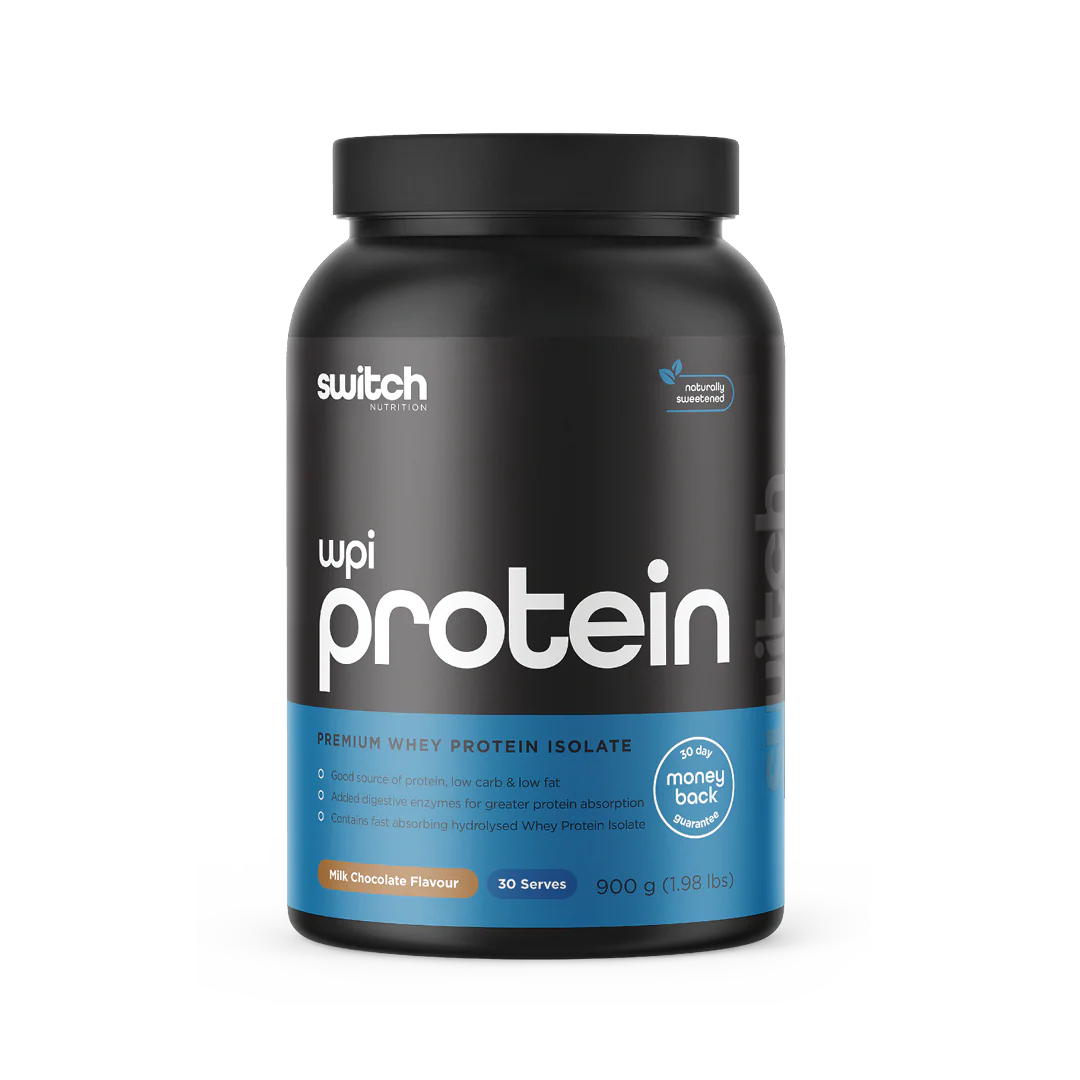
Switch WPI (Whey Protein Isolate)
Microfiltered + hydrolysed whey isolate that absorbs fast — exactly what you want in the 30-minute window after a Hyrox simulation. No artificial colours or sugar.
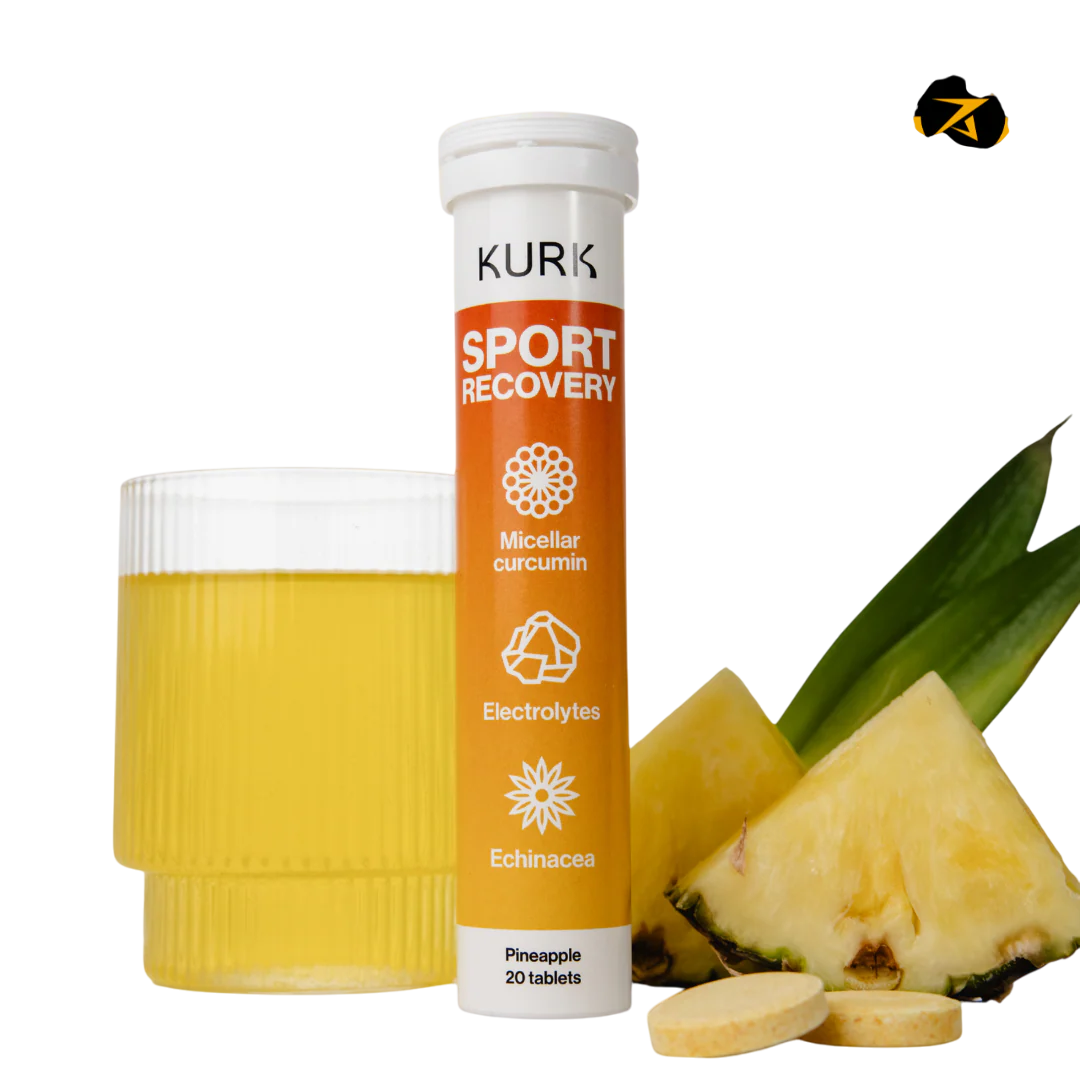
KURK Sport Recovery + Hydration
Combines micellar curcumin (anti-inflammatory) with electrolytes and echinacea — covers race-day hydration and post-race muscle recovery in one stick. Doctor-formulated, athlete-tested.
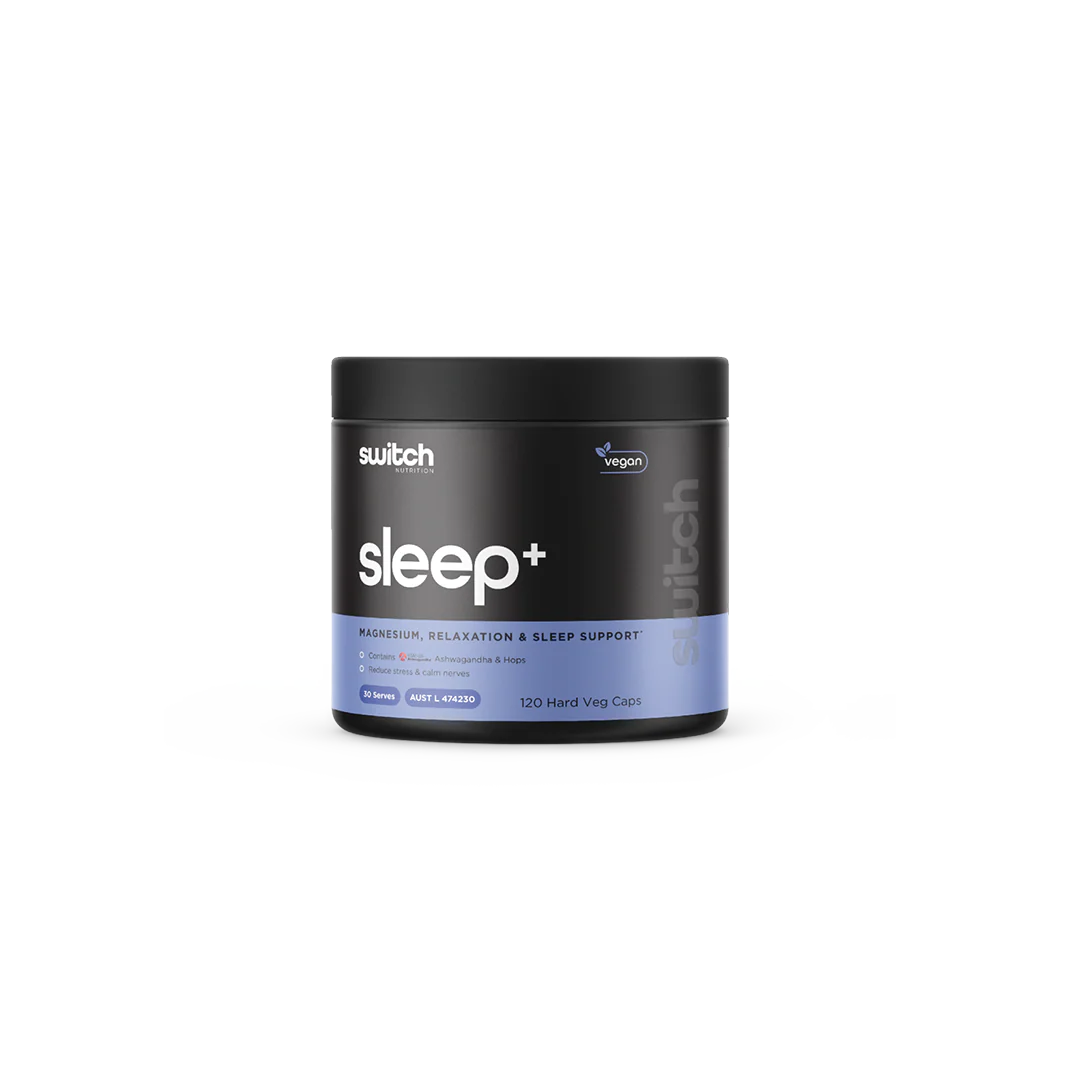
Switch Sleep+ Capsules
Magnesium glycinate, ashwagandha and zinc combined to support deeper sleep — the cheapest performance lever in any Hyrox build. Take 1-2 capsules an hour before bed.
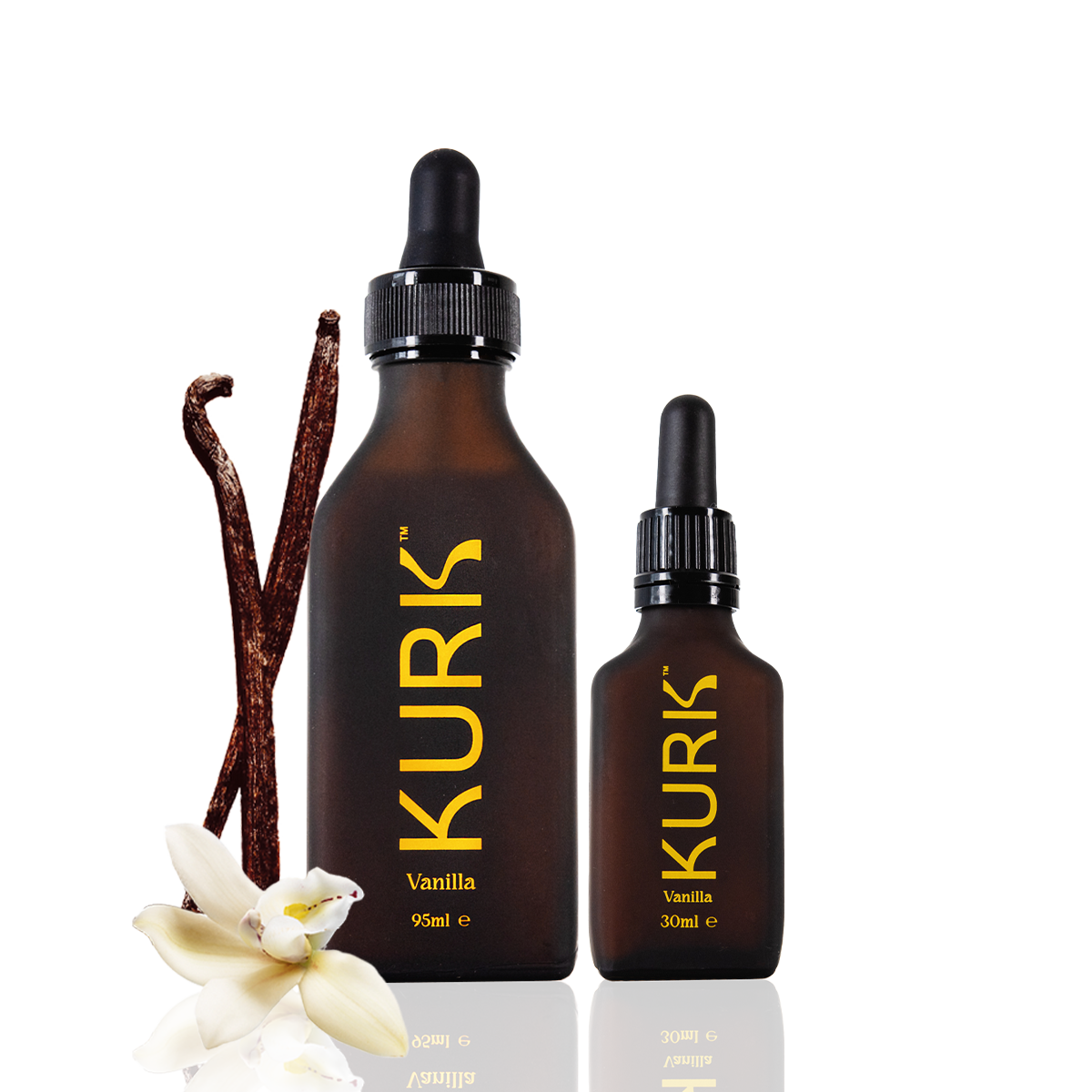
Kurk Liquid Curcumin
Liquid curcumin extract with strong evidence for reducing DOMS after eccentric work like sandbag lunges and wall balls. 1ml in your morning coffee, daily.
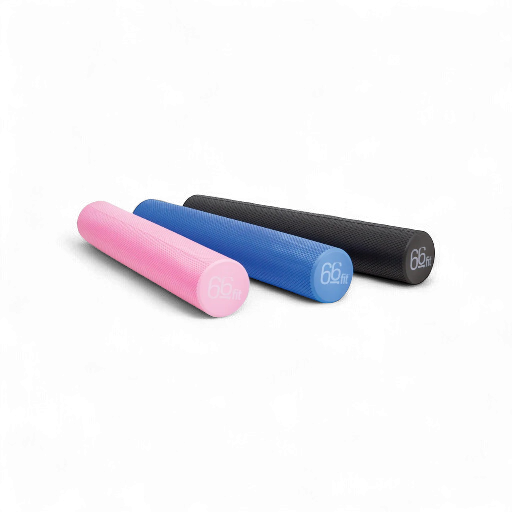
90cm Foam Roller
The full-length workhorse for race-day recovery. Long enough to roll your spine, lats and hamstrings end-to-end after a Hyrox simulation session.