
Hyrox Race-Day Fuelling — The Full Protocol
36 hours of carb load, the right pre-race meal, electrolyte timing, caffeine dose, and the post-race protein window. The fuelling protocol most AU Hyrox athletes get wrong.
Published 1 May 2026
Race-day fuelling is one of the few things you can fully control on the day, and it’s the single most common point athletes overcomplicate. This article covers the 36-hour carb load, the pre-race meal, electrolyte and caffeine timing, what (if anything) to consume during the race, and the post-race protein window.
It’s the same protocol the Hyrox Sydney 2026 race-week page outlines in summary, expanded into the full picture. Train these protocols in your race simulations — race week is not the time to test a new fuelling strategy.
Why race-day fuelling differs from training-day fuelling
Three things change on race day compared to a normal training session:
- Glycogen has to last 60-110 minutes of threshold-zone work. A typical Hyrox race for a recreational athlete sits between 75 and 110 minutes. That’s enough to genuinely deplete muscle glycogen if you start under-fuelled. Training sessions in the 30-50 minute range can be done in a fasted or partially-fasted state — race day cannot.
- Sympathetic load is higher. Race-day cortisol and adrenaline reduce gastric emptying — your stomach digests slower, things sit heavier, GI distress under load is more likely. Pre-race fuelling has to be earlier and lower-fibre than what you’d eat before training.
- You only get one shot. A bad training session is a bad day. A bad race-day fuelling decision can cost you 5-15 minutes of race time and weeks of preparation. The cost of getting it wrong is much higher, so the protocol shifts to what’s most reliable rather than what’s theoretically optimal.
36 hours out — the carb load
The phrase “carb load” gets misunderstood as a single huge pasta dinner the night before. The current evidence (and what most well-prepared athletes actually do) is to spread elevated carb intake across the 36-48 hours before the start.
Target: 8-10 g of carbohydrate per kg of body weight, across the 48 hours before your race wave. For a 75 kg athlete, that’s 600-750 g of carbs over two days — about double what most people eat normally.
Practical sources, ranked by ease:
- White rice, white pasta, white potatoes — high glycemic, low fibre, easy on the gut
- Bananas, dates, oranges — quick carbs with electrolytes
- Sports drinks, sports gels — for top-ups when solid food gets tedious
- Bread, bagels, oats — yes, but watch the fibre at the upper end (whole grains slow gastric emptying — fine 36-48 hours out, less ideal closer)
What to avoid in the 36 hours: high-fat meals (slow gastric emptying), high-fibre meals (cause GI distress under race-day adrenaline), and anything you haven’t trained on. The typical mistake is loading up on a giant pizza or a steak meal “for the protein” — fat and protein push out the carbohydrate space and slow the whole process.
Hydration runs alongside. The day before the race you should be drinking enough that your urine is consistently pale yellow. Not clear (over-diluted) and not dark (under-hydrated). Two to three litres of water across the day for most athletes, more in hot weather.
3 hours out — the pre-race meal
This is the meal you’ve already practised in training. If you haven’t, race day is the wrong day to start.
Target: 1-2 g of carbs per kg of body weight, low fibre, low fat, modest protein.
Examples for a 75 kg athlete (75-150 g carbs):
- Bowl of porridge made with water + banana + honey + a small scoop of whey
- White rice with chicken breast (small portion) + a piece of fruit
- Two slices of white toast with honey or jam + a banana
- Bagel with cream cheese (light) + an electrolyte drink
Avoid: dairy if you’re sensitive (sympathetic load + dairy = GI lottery), high-fibre cereals, anything with seeds, fried food, large amounts of protein.
The 3-hour window matters because it’s far enough from the start to fully empty the stomach, but close enough that blood glucose is still elevated when you start.
60-90 minutes out — electrolytes, caffeine, warm-up cream
This is when the race-day protocol gets specific.
Electrolytes (60-90 minutes pre-start): 350-600 mg of sodium with 500-750 ml of water. The pre-loading effect on plasma volume is mechanically helpful for sustained output — you’re going into the race with a slightly larger blood volume, which supports thermoregulation and oxygen transport. MTHFR Electrolytes or a similar sodium-forward formulation works; what matters is the sodium dose and timing.
Caffeine (30-60 minutes pre-start): 3-6 mg/kg body weight. For a 75 kg athlete: 225-450 mg. Sources: strong coffee (~80-100 mg per shot), pre-workout (varies — read the label), or a 200 mg caffeine pill. The performance effect is well-established for events 30-120 minutes long.
Critical caveat: if you don’t normally use caffeine, race day is the worst time to start. Naive caffeine users get more side effects (jitteriness, GI distress, elevated heart rate) and less performance benefit. If caffeine isn’t part of your routine, skip it.
Warm-up cream (15-20 minutes pre-warm-up): Indoor venues in Sydney’s July are cold — the floor at ICC Sydney sits below room temperature even before the air conditioning. Premax Warm Up Cream EP5 applied to quads, calves, glutes, and lower back helps loosen muscles before the warm-up area. The active ingredients (sodium bicarbonate, magnesium, caffeine) deliver a topical warming effect. This isn’t a replacement for a proper dynamic warm-up — it’s a supplement to it.
Last sip of water: 15-20 minutes before the start, then keep moving. Don’t sit. The warm-up area is also a holding area — most athletes lose more body heat sitting around than they realise.
During the race
For most athletes racing 60-90 minutes, no in-race fuelling is needed beyond water. Pre-loaded carbs (from the 3-hour meal) and pre-loaded electrolytes (from 60-90 minutes out) cover the demands.
For athletes racing 90+ minutes (heavier athletes, less-trained athletes, Pro division at the upper end of finish times), small sips of a sports drink or electrolyte solution between stations can help maintain blood glucose. Anything solid is unlikely to digest in the timeframe — your stomach is shut down by sympathetic load. Small sips of liquid carbs/electrolytes are about all that’s tolerable.
If you’ve practised a specific in-race fuelling protocol (a gel at the 5 km mark, for example) and it works for you, keep doing it. Don’t introduce one race-week.
0-30 minutes post-race — the protein window
This window matters most when you’ve gone to genuine fatigue (which Hyrox forces). The goal is to start protein synthesis and begin glycogen replenishment as quickly as your stomach allows.
Target: 25-40 g protein + 50-80 g fast-acting carbs, within 30 minutes of finishing.
Practical options, ranked by tolerability when you can barely eat:
- KURK Sport Recovery + Hydration — micellar curcumin + electrolytes + carbs. Sip-able when you can’t stomach a shake.
- Whey isolate shake (Switch WPI) — 25-40 g protein in 250 ml water. Hydrolysed whey absorbs fast.
- Chief Collagen Protein Bar — useful if liquids feel heavier than solids
- Banana + honey + a salt sachet — works if all else fails
Why isolate over concentrate or blends: the 0-30 minute window favours fast absorption. Whey isolate is microfiltered and absorbs faster than concentrate; hydrolysed isolate (like Switch WPI) absorbs faster still. The protein synthesis “anabolic window” is wider than the original literature suggested, but for genuinely fatiguing efforts, earlier is still better.
1-2 hours post-race — the real meal
A proper meal: rice or pasta or potatoes (carbs), chicken or fish or eggs (protein, modest), some vegetables (vitamins, but not so many that fibre overwhelms a tired stomach), salt to taste. Easy to digest, calorie-dense.
This is also the meal where you re-introduce some fat — by now your sympathetic load has dropped enough that fat won’t slow gastric emptying meaningfully, and your body needs the calories.
Skip alcohol for at least 24 hours post-race if you can. Alcohol impairs glycogen replenishment, REM sleep, and protein synthesis — all three are exactly what you need that night. A celebratory drink the next day is fine; a heavy session that night is the most expensive 24 hours of your post-race recovery.
Common race-day fuelling mistakes
- Too much fat in the pre-race meal — slows gastric emptying, increases GI distress risk under race-day adrenaline
- Trying a new gel, drink, or supplement on race day — single biggest preventable cause of race-day GI failure
- Under-hydrating the day before — dehydration at the start of a 60-110 minute event compounds for the entire race
- Skipping the pre-race meal because of nerves — nervousness reduces appetite but doesn’t reduce glycogen demands. Force-feed if you have to.
- Relying on pre-workout for caffeine without testing the dose — pre-workouts vary wildly in caffeine, and the other stimulants can cause issues 30+ minutes in
- Cold electrolyte drink in cold weather — drinking ice-cold liquids in a cold venue cools you further. Aim for room-temperature or slightly warm.
- Forgetting to eat in the 30-60 minutes after — adrenaline crash + dropping blood glucose + sore muscles = a long, hard recovery window. Eat something even when you don’t feel like it.
The race-day kit list
What lives in the race bag on the day:
- MTHFR Electrolytes or KURK Sport stick — pre-race hydration
- Caffeine source (your usual coffee, or a tested pre-workout, or 200 mg pill)
- Pre-race fuel — banana, gel, or whatever you’ve trained on
- Premax Warm Up Cream — pre-warm-up application
- Switch WPI shaker bottle — post-race protein
- Chief Collagen Bar or recovery snack — post-race carbs
- Spare salt sachet or electrolyte tab — for the trip home
Race-week recovery and the post-race protocol live on the Sydney 2026 page and the post-race recovery article respectively. Pair this fuelling protocol with the race-week taper for the full picture across the week.
The stack that supports this protocol.
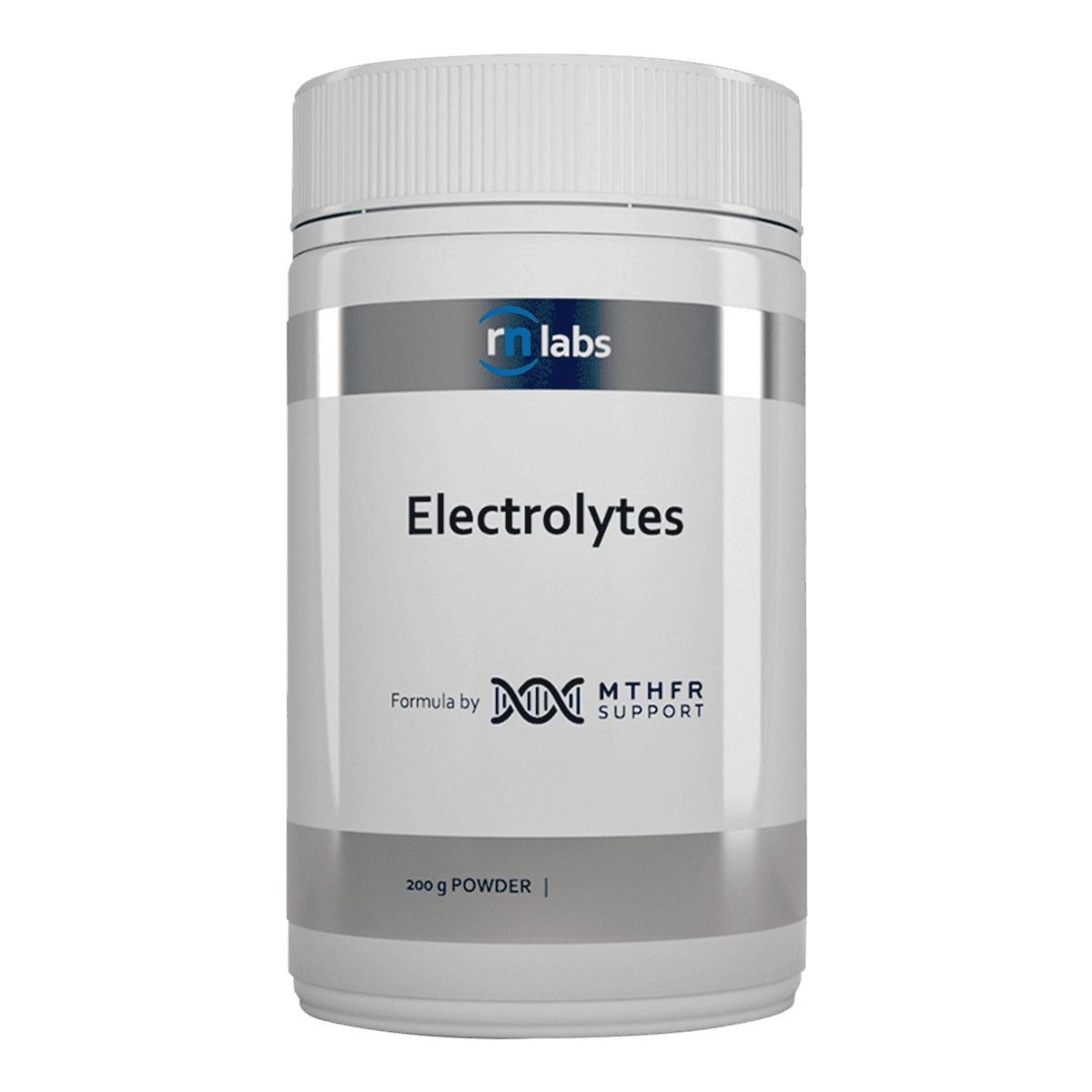
MTHFR Support Electrolytes
Sodium, potassium, magnesium and chloride for the long-haul sweat losses across 60-110 minutes of Hyrox racing. Includes D-ribose and taurine for sustained energy.

KURK Sport Recovery + Hydration
Combines micellar curcumin (anti-inflammatory) with electrolytes and echinacea — covers race-day hydration and post-race muscle recovery in one stick. Doctor-formulated, athlete-tested.
.jpg)
Chief Nutrition Collagen Protein Bar
On-the-go protein with collagen for joint and connective-tissue support — useful as a pre-session top-up or on race-day mornings when you can't stomach a full meal.
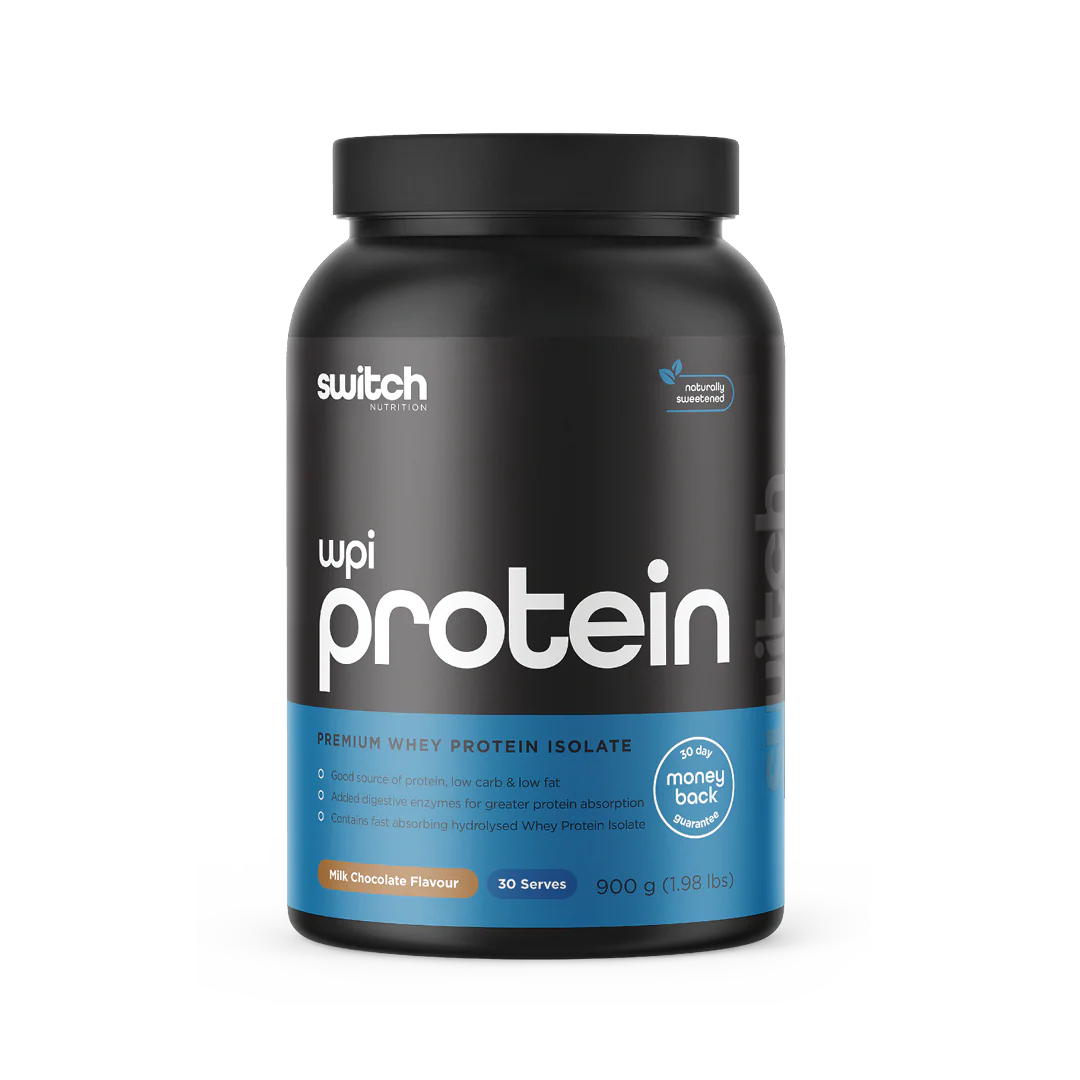
Switch WPI (Whey Protein Isolate)
Microfiltered + hydrolysed whey isolate that absorbs fast — exactly what you want in the 30-minute window after a Hyrox simulation. No artificial colours or sugar.
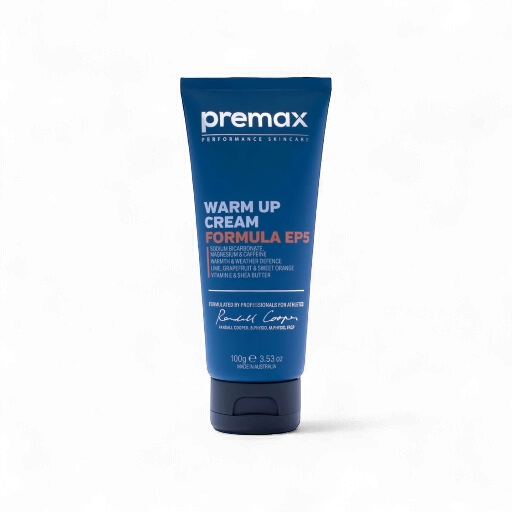
Premax Warm Up Cream EP5
Invigorating heat cream formulated for cold-weather event days — sodium bicarbonate, magnesium and caffeine help loosen muscles before warm-up. Race-week essential for indoor venues with cold floors.