
The Hyrox Race-Week Taper — Day by Day
Volume drops, intensity holds, sleep extends. The seven-day calendar that gets you to the start line fresh, fuelled, and trained — without losing fitness.
Published 1 May 2026
The race-week taper is the most under-coached part of Hyrox preparation. Most athletes either under-taper (because they’re scared of losing fitness) or over-taper (cutting both volume and intensity to nothing). Neither works. The evidence and the practice both point to the same protocol — significant volume reduction, intensity preservation, sleep extension, and disciplined fuelling.
This article walks the seven days before a Hyrox race day-by-day, with what to do, what to avoid, and the small race-week mistakes that cost athletes minutes on the day. Pair with the race-day fuelling protocol and the Hyrox Sydney 2026 race-week page for the full picture.
What a taper actually does
A proper taper does three things at once:
- Restores accumulated fatigue. The training stimulus you’ve built over the prep block has produced both fitness and fatigue. Fitness is preserved across a week of reduced volume; fatigue clears within 7-10 days. The taper widens the gap between them so on race day, you’re at maximum freshness without having lost capacity.
- Tops up glycogen and creatine phosphate stores. Daily training keeps your glycogen and phosphocreatine partially depleted. A volume cut allows full replenishment. Combined with the 36-48 hour carb load, you start the race fully topped up — which matters most in the last 30 minutes when those stores are otherwise running thin.
- Reduces injury and illness risk in the run-up. Training under fatigue is when most race-week injuries and immune dips happen. A taper drops the load so you arrive intact.
Bosquet et al. (2007) summarised the meta-analytic evidence for taper protocols across endurance events: the strongest effect comes from progressive volume reduction of ~40-60% across 8-14 days, while keeping intensity (pace, weight on the bar) at race-level or slightly above. For Hyrox specifically — a 60-110 minute event with both endurance and strength components — a 7-10 day taper at that volume cut works well.
The day-by-day calendar
Below is a typical seven-day taper for an athlete who’s been training 5-6 days per week through a Hyrox prep block. Adjust to your own normal volume — if you train less, the cuts are smaller; if you train more, the cuts are larger.
Day -7 (Saturday before race)
- Last hard session of the prep block. A short Hyrox simulation — 4-6 stations at race weight, with running between. 30-40 minutes total. This is your final fitness check; if it doesn’t feel right, you can’t fix it now, so don’t try.
- Eat well, sleep early.
Day -6 (Sunday before race)
- Easy aerobic 30-40 minutes — Z2 running, easy bike, swim. Nothing structured.
- Mobility and foam rolling.
- Race-week stack continues: daily curcumin, omega-3, creatine, magnesium glycinate at night.
Day -5
- Short, sharp session at race intensity — for example, 6-8 minutes of running at race pace, or a 4-station mini-simulation at race weights. 25-30 minutes total. This is the last “race feel” session.
- Confirm race-week supplement stack — anything you haven’t tested by now, leave at home.
- Pack travel kit if you’re flying in for the race.
Day -4
- Light technique work — sled push at 50% race weight, 20 metres x 4. Wall ball technique drills. Light row.
- Keep total session under 30 minutes.
- Hydrate consistently — pale yellow urine target from here onwards.
- Bed 30 minutes earlier than normal.
Day -3
- Easy aerobic 20-30 minutes — Z1-Z2 jog or bike. Don’t grind.
- Mobility focus on hip flexors, calves, lats — the muscle groups that carry most race load.
- Daily curcumin and omega-3 continue.
- Race plan review — read your splits, talk through the race in your head.
Day -2 (Friday for a Saturday wave)
- Carb load begins. 8-10 g/kg across the next 48 hours, weighted toward the day before the race.
- Light walk or shake-out — 15-20 minutes. Nothing else.
- Lay out race kit.
- Test electrolyte timing — drink 500 ml with 350-600 mg sodium 60-90 minutes before a fake “wave time” matching your actual start. Confirms tolerance.
Day -1
- No training. Or at most, a 10-minute walk + a few mobility drills.
- Carb load continues. Two larger meals (lunch + early dinner) plus snacks.
- Check race logistics: venue address, parking, race pack collection time, wave start time, gear bag drop-off.
- Bed at your normal time. Don’t go to bed early — you’ll lie awake. Bedtime routine matters more than total time in bed.
Day 0 — race day
- Wake 3 hours before your wave. Coffee on schedule. Pre-race meal 2-3 hours out. Electrolytes 60-90 minutes out. Caffeine 30-60 minutes out. Warm-up cream pre-warm-up.
- See the full race-day fuelling protocol for the timing detail and the Sydney 2026 race-week page for the race-day morning checklist.
Sleep is the biggest race-week lever
Mah et al. (2011) ran a sleep extension study on Stanford basketball players: 10 hours in bed nightly for 5-7 weeks, compared to baseline. They saw improvements in sprint times, free-throw accuracy, reaction time, and mood. The effect was bigger than most legal supplements deliver, and the cost was zero.
For race week, you don’t need 10 hours in bed for 7 weeks — you need 8-9 hours sustained for 7 days. Practical protocol:
- Lights out 30-60 minutes earlier than baseline, every night from day -6 to day -1
- Sleep+ Nasal Strips if you’re sleeping in a hotel or unfamiliar bed (which Sydney 2026 means for most non-Sydney athletes)
- Switch Sleep+ capsules 1 hour before bed — magnesium glycinate, ashwagandha, zinc. The combination has consistent evidence for sleep onset and quality.
- No alcohol from day -3 onwards. Even a single drink disrupts REM and slow-wave sleep.
- Reduce caffeine after 2 PM all week. Caffeine half-life is ~5-6 hours; an afternoon coffee is still in your system at midnight.
- Phone out of the bedroom if you can. The race-week scrolling habit is the single biggest preventable sleep killer.
The night before the race is often disrupted by nerves regardless of what you do. The sleep bank you’ve built across the week is what carries you — not the night before alone.
What to keep doing
- Daily supplement stack: creatine 5 g, omega-3 with dinner, curcumin once daily, magnesium glycinate at night. Do not change anything.
- Hydration: pale yellow urine target. Don’t over-hydrate (clear urine for hours = electrolyte dilution risk) and don’t under-hydrate.
- Mobility: short, daily, focused on the muscle groups Hyrox loads — hip flexors, calves, lats, glutes.
- Mental rehearsal: run through the race in your head — splits, transitions, station-to-station strategy. The well-rehearsed athletes execute better under race-day adrenaline.
What NOT to do
- No new gear, supplements, foods, or routines. Race week is the worst possible time to experiment. Whatever you’ve trained on, that’s what you race on.
- No heavy strength work after day -5. Heavy squats, deadlifts, or pull-ups in the back half of race week add fatigue without building capacity.
- No long runs. Anything over 30 minutes after day -4 is volume you don’t need. Long runs in race week extend recovery time and don’t improve race performance.
- No saunas, cold plunges, or contrast therapy you haven’t trained with. Race week is not the time to start a “recovery hack” routine — these can cause headaches, dehydration, or sleep disruption if you’re not adapted.
- No alcohol after day -3. A single drink disrupts sleep architecture, dehydrates you, and reduces glycogen replenishment efficiency.
- No drastic dietary changes. Don’t suddenly go low-carb, vegan, gluten-free, or keto for race week. Whatever’s normal, keep normal — except for the increased carb load 36-48 hours out.
The race-week kit list (what to have on hand from Monday)
- MTHFR Electrolytes — for daily hydration plus the pre-race dose
- Switch Sleep+ capsules — every night, race week through to race night
- Sleep+ Nasal Strips — for hotel sleeping and the night before
- Kurk Liquid Curcumin — daily, supports the lower-grade inflammation accumulated through prep
- Premax Warm Up Cream EP5 — for race-morning use, pre-warm-up
- Race-day fuel — whatever you’ve trained on (gels, bananas, Chief bars)
The mindset frame
Race-week anxiety is normal. The two thoughts that quiet it: “the work is done” (because by day -7 it is), and “the protocol is the work” (because executing the protocol is what’s left). Athletes who try to add training in race week are usually trying to manage anxiety with action — but the data says it doesn’t help. The taper is the work. Sleep is the work. Fuelling is the work. Trust the prep block.
For the four-day window around your start time — day -2 through to the post-race protocol — see the Hyrox Sydney 2026 page. For what to do in the first 48 hours after you cross the line, see the post-race recovery article.
The stack that supports this protocol.
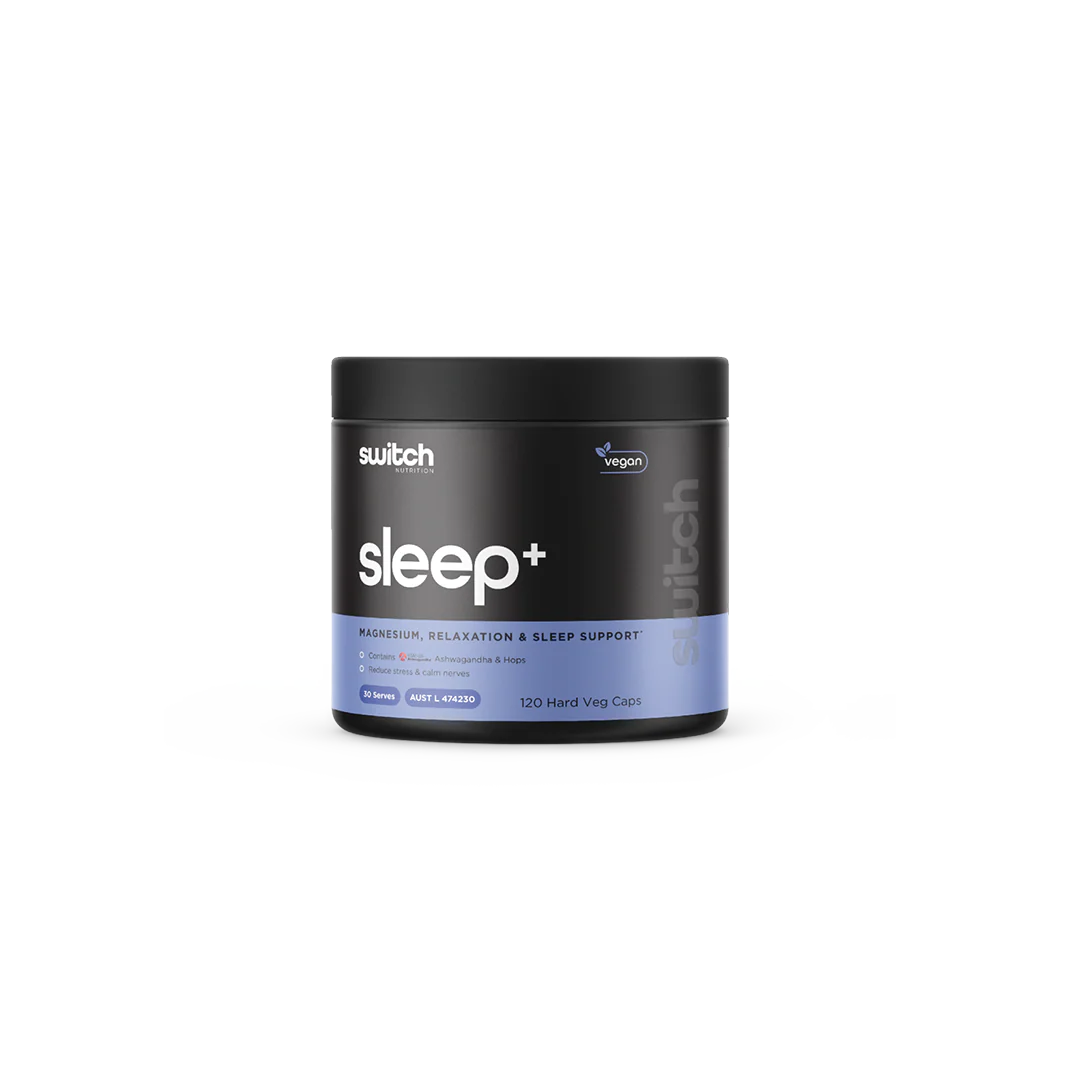
Switch Sleep+ Capsules
Magnesium glycinate, ashwagandha and zinc combined to support deeper sleep — the cheapest performance lever in any Hyrox build. Take 1-2 capsules an hour before bed.
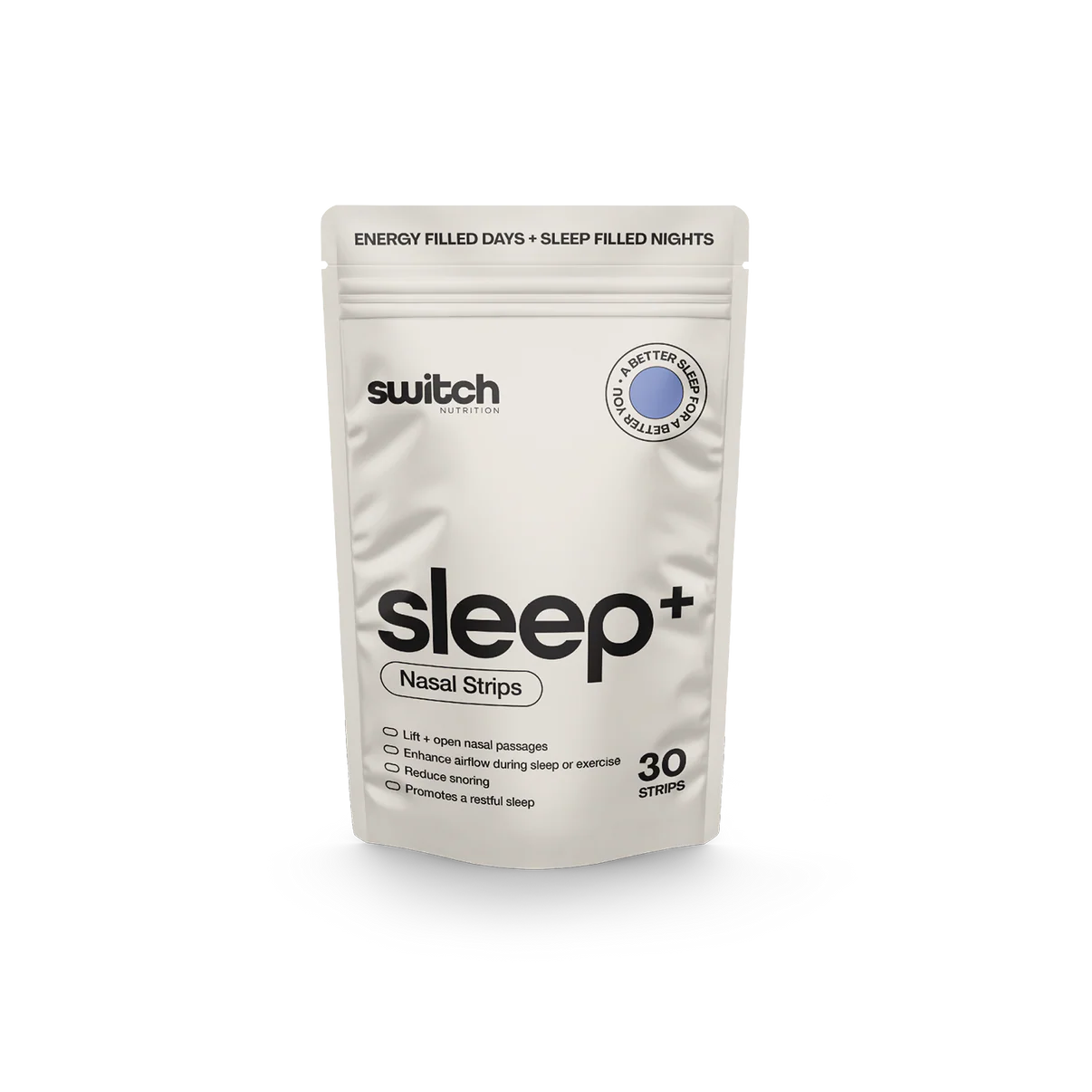
Sleep+ Nasal Strips
Open airways, less mouth-breathing, deeper sleep. Cheap, single-use, and especially useful on race-week trips when you're sleeping in unfamiliar hotels.
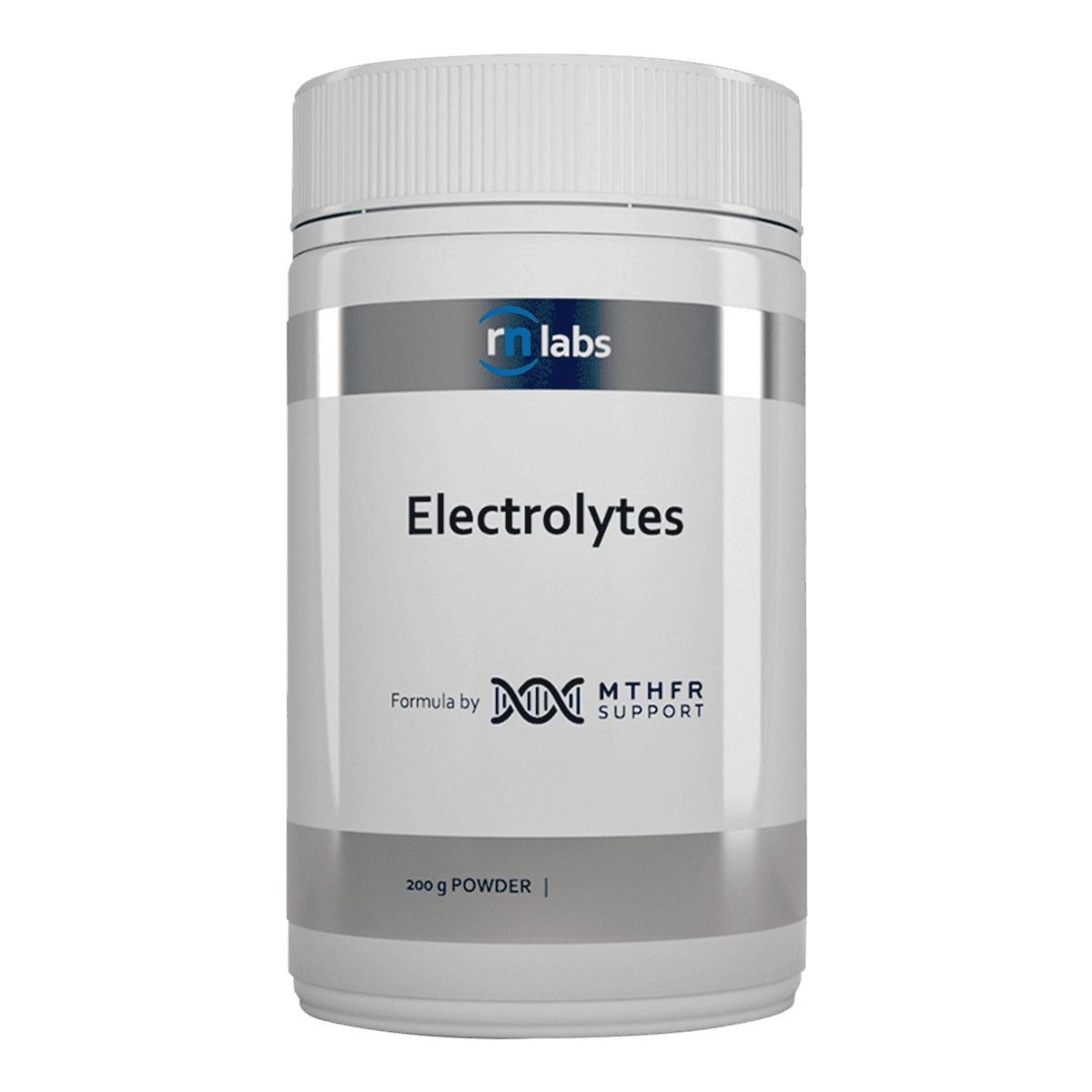
MTHFR Support Electrolytes
Sodium, potassium, magnesium and chloride for the long-haul sweat losses across 60-110 minutes of Hyrox racing. Includes D-ribose and taurine for sustained energy.

Kurk Liquid Curcumin
Liquid curcumin extract with strong evidence for reducing DOMS after eccentric work like sandbag lunges and wall balls. 1ml in your morning coffee, daily.

Premax Warm Up Cream EP5
Invigorating heat cream formulated for cold-weather event days — sodium bicarbonate, magnesium and caffeine help loosen muscles before warm-up. Race-week essential for indoor venues with cold floors.